
تواجه صادرات الصلب الأوكرانية أزمة غير مسبوقة قد تعصف بما تبقى من شريان الاقتصاد الأوكراني، وذلك في ظل تقارير حديثة كشفت عنها صحيفة “فاينانشال تايمز”. حيث حذر مسؤولون ومصنعون أوكرانيون من أن خطة الاتحاد الأوروبي الرامية إلى خفض واردات الصلب إلى النصف تقريباً، ستلحق ضرراً بالغاً بالاقتصاد الأوكراني، خاصة في هذا التوقيت الحرج الذي تكافح فيه كييف لتمويل مجهودها الحربي والدفاعي ضد روسيا.
السياق التاريخي والأهمية الاقتصادية لقطاع الصلب
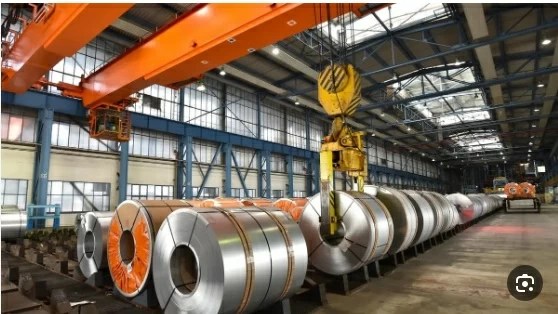
تاريخياً، يُعد قطاع التعدين وصناعة الصلب من أهم ركائز الاقتصاد الأوكراني، حيث كانت أوكرانيا تُصنف ضمن أكبر مصدري الصلب في العالم قبل اندلاع الحرب في عام 2022. وقد ساهم هذا القطاع بنسبة كبيرة في الناتج المحلي الإجمالي وعائدات النقد الأجنبي. ومع تضرر البنية التحتية وفقدان السيطرة على بعض المصانع الكبرى في شرق البلاد، أصبحت السوق الأوروبية هي الملاذ الأول والأساسي لتصريف صادرات الصلب الأوكرانية، وذلك بفضل اتفاقيات التجارة الحرة المبرمة بين كييف وبروكسل والتي تهدف إلى دمج الاقتصاد الأوكراني في السوق الأوروبية الموحدة.
تفاصيل القرار الأوروبي وتداعياته المالية
بحسب تصريحات المسؤولين الأوكرانيين للصحيفة، فإن التخفيض الحاد الذي يعتزم الاتحاد الأوروبي تطبيقه يمثل انخفاضاً بنسبة تصل إلى 70% مقارنة بحجم الصادرات في العام الماضي. هذا التراجع المخيف قد يُكلف الخزانة الأوكرانية خسائر فادحة تصل إلى مليار يورو من عائدات التصدير. وأكد الخبراء أن هذا التوجه قد يُشكل مخالفة صريحة لاتفاقية التجارة الحرة المبرمة بين أوكرانيا والاتحاد الأوروبي، والتي تنص بوضوح على عدم فرض قيود جمركية أو حصص تعيق حركة التجارة البينية.
تحديات المنافسة وغياب الأسواق البديلة
في سياق متصل، أطلقت أكبر شركة صلب وتعدين في أوكرانيا تحذيرات شديدة اللهجة من أن هذا القرار سيحرم البلاد من إيرادات حيوية لا غنى عنها. وصرح “أوليكساندر فودوفيز”، رئيس مكتب الرئيس التنفيذي للشركة، بأن الإجراءات الأوروبية الجديدة ستقضي تماماً على أي فرصة للشركات الأوكرانية للتصدير إلى أوروبا. وأوضح فودوفيز حقيقة اقتصادية قاسية، وهي أن أوكرانيا لا تملك أسواقاً بديلة سهلة لتصريف منتجاتها، نظراً لصعوبة المنافسة العالمية. وأشار إلى أن دولاً مثل تركيا وروسيا تمتلك ميزة تنافسية هائلة بسبب انخفاض تكاليف الطاقة لديها، مضيفاً: “هم لا يتعرضون للقصف اليومي مثلنا، وتكلفة الكهرباء لديهم أرخص بعشر مرات، لذا لا توجد إمكانية حقيقية لمنافستهم في أسواقهم”.
الموقف الأوروبي بين حماية الصناعة ودعم الحلفاء
على الجانب الآخر، يبرر الاتحاد الأوروبي خطواته بوجود فائض كبير في الإنتاج العالمي للصلب، مما أدى إلى إغراق الأسواق وإلحاق خسائر بآلاف الوظائف في المصانع الأوروبية. ولهذا، أعلنت بروكسل عن خفض حصة واردات الصلب بنسبة 47% بدءاً من الأول من يوليو القادم، مع فرض تعريفة جمركية عقابية بنسبة 50% على أي واردات تتجاوز هذه الحصة. ورغم هذه الإجراءات الصارمة، أكدت المفوضية الأوروبية أنها ستأخذ الوضع الصعب لأوكرانيا في الاعتبار، مشيرة إلى أن كييف ستحصل على حصة مخصصة تضمن استمرار تدفق صادراتها، وإن كان بمستويات أقل. ويجري الاتحاد الأوروبي حالياً مفاوضات مع أوكرانيا ونحو 20 دولة أخرى لتحديد نسب التخفيض النهائية، في محاولة لإيجاد توازن بين حماية الصناعة المحلية الأوروبية ودعم الاقتصاد الأوكراني المنهك.