
تقدم ملموس في المحادثات التجارية بين أمريكا والصين
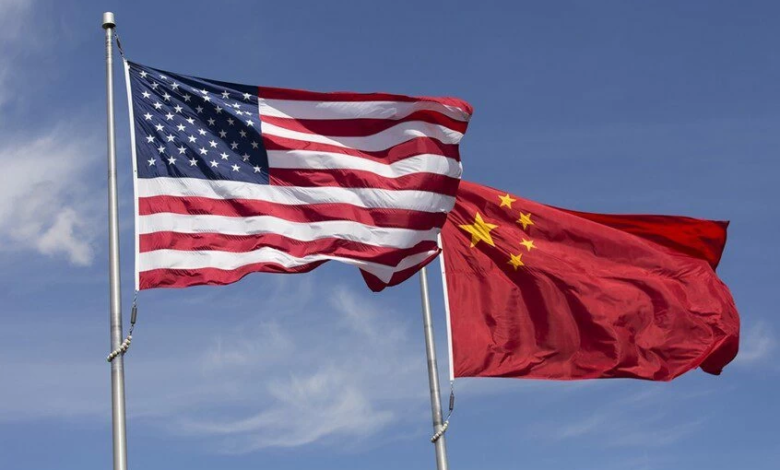
أعلنت الحكومة الصينية عن إحراز تقدم كبير في المحادثات التجارية بين أمريكا والصين، وذلك في أعقاب القمة التاريخية التي جمعت بين الرئيس الأمريكي دونالد ترامب والرئيس الصيني شي جين بينغ في العاصمة بكين. وتأتي هذه التطورات كبصيص أمل لتهدئة التوترات الاقتصادية التي ألقت بظلالها على الأسواق العالمية خلال السنوات الماضية.
وأوضحت وزارة التجارة الصينية في بيان حديث لها أن الجانبين تمكنا من التوصل إلى اتفاقات أولية هامة تشمل ملفات شائكة مثل الرسوم الجمركية، والقضايا المتعلقة بالقطاع الزراعي، بالإضافة إلى صفقات الطائرات التجارية. ولفتت الوزارة إلى أن هناك جولات إضافية من المفاوضات لا تزال جارية لوضع اللمسات الأخيرة على التفاصيل الدقيقة لهذه الاتفاقيات.
السياق التاريخي: جذور الحرب التجارية
لفهم أهمية هذه الخطوة، يجب العودة إلى السياق العام والخلفية التاريخية للحدث. اندلعت الحرب التجارية بين أكبر اقتصادين في العالم عندما فرضت الإدارة الأمريكية رسوماً جمركية قاسية على واردات صينية بمليارات الدولارات، متهمة بكين بممارسات تجارية غير عادلة. وردت الصين بفرض رسوم انتقامية مماثلة، مما أدى إلى سلسلة من الإجراءات المتبادلة التي أربكت سلاسل التوريد العالمية وأثرت سلباً على معدلات النمو الاقتصادي الدولي.
تأسيس مجالس للتجارة والاستثمار وزيادة التبادل
وفي خطوة تهدف إلى مأسسة الحوار الاقتصادي، وافقت كل من واشنطن وبكين على إنشاء مجالس متخصصة للتجارة والاستثمار. وأشار بيان وزارة التجارة الصينية إلى وجود اتفاقات مبدئية بشأن قيام الصين بشراء طائرات أمريكية الصنع، فضلاً عن توريد محركات الطائرات ومكوناتها الأساسية إلى السوق الصينية، مما يعكس رغبة في تقليص الفجوة التجارية.
وعقب القمة التي عُقدت في بكين، تم الإعلان عن اتفاق البلدين على تعزيز وزيادة حجم التجارة الزراعية. وسيتم ذلك من خلال خفض الرسوم الجمركية المتبادلة، ومعالجة العقبات غير الجمركية التي تعيق حركة التجارة، بالإضافة إلى تحسين وتسهيل مسائل الوصول إلى الأسواق المحلية لكلا الطرفين.
تعزيز العلاقات الثنائية وتأثيرها على القطاع الزراعي
أفادت وزارة التجارة بأن الهدف الأساسي للجانبين هو تعزيز التجارة الثنائية بشكل شامل، مع التركيز بشكل خاص على المنتجات الزراعية. ويشمل ذلك اتخاذ تدابير ملموسة مثل التخفيضات المتبادلة للرسوم الجمركية على مجموعة واسعة من السلع، رغم أن الوزارة لم تحدد بعد قائمة المنتجات المستفيدة بعينها.
وعلى الرغم من هذه الإيجابيات، لا تزال الواردات الزراعية الصينية من الولايات المتحدة تخضع لرسوم إضافية تبلغ نسبتها 10%. وقد جاءت هذه الرسوم كنتيجة مباشرة لجولات الرسوم الجمركية المتبادلة التي أدت إلى انكماش حاد في حركة التجارة. ووفقاً لبيانات وزارة الزراعة الأمريكية، فقد تراجعت التجارة الزراعية بنسبة تصل إلى 65.7% على أساس سنوي، لتصل إلى مستويات متدنية قدرت بنحو 8.4 مليار دولار، مما يبرز حجم الضرر الذي لحق بالقطاعين في كلا البلدين.
الأهمية والتأثير المتوقع إقليمياً ودولياً
إن نجاح المحادثات التجارية بين أمريكا والصين لا يقتصر تأثيره على البلدين فحسب، بل يمتد ليشمل الاقتصاد العالمي بأسره. فعلى الصعيد الدولي، من شأن خفض الرسوم الجمركية أن يساهم في كبح جماح التضخم العالمي، واستقرار أسواق المال، وإعادة الثقة للمستثمرين. أما إقليمياً، فإن استقرار العلاقات بين واشنطن وبكين يمنح الدول الناشئة فرصة لتعزيز صادراتها دون التخوف من اضطرابات مفاجئة في سلاسل الإمداد، مما يعزز من فرص النمو الاقتصادي المستدام.