Al-Ahli in the AFC Champions League final: The continental title dream is getting closer

On a decisive night of football, Al-Ahli Saudi FC stands one step away from realizing a long-awaited dream as they face their Japanese opponents in the AFC Champions League final. The match is more than just 90 minutes on a football pitch; it's the culmination of a long and challenging season, a story of doubt and certainty, starring Brazilian winger Wenderson Galeano and German coach Matthias Jäsle.
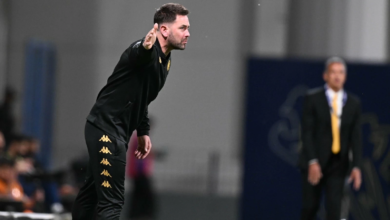
Al Ahli's journey this season began with high ambitions, but it faced a difficult turning point when Galinho, signed to be the team's trump card, suffered a complex injury that nearly ended his season prematurely. His extended absence placed the team under immense pressure and raised doubts about their ability to compete on the continental stage. However, coach Yasele, known for his composure and tactical acumen, opted to build a system that didn't rely on a single individual, focusing on minute details such as high pressing, winning second balls, and distributing physical effort throughout the match.
Historical context: A renewed Asian dream for the Green Castle
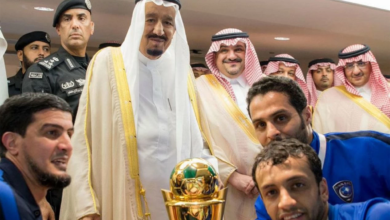
This final is inextricably linked to Al-Ahli's illustrious history in Asia. Al-Ahli is one of the giants of Saudi Arabian football, but the AFC Champions League title has remained an elusive dream. The team reached the final twice in its history, in 1986 and 2012, but lost on both occasions. Therefore, this final represents a historic opportunity to break the curse, add the most prestigious continental title to the club's trophy cabinet, and reaffirm its status as a formidable force in Asian football.
The importance of the event and its expected impact
The significance of this match extends far beyond the pitch. Domestically, winning the title would provide a tremendous morale boost for the club and its fans, and would solidify the team's position during this period of significant transformation in Saudi football. Regionally and internationally, a Saudi team winning the most prestigious continental title would confirm the success of the Saudi Professional League project in attracting star players and raising the overall technical level. It would also guarantee Al-Ahli a place in the FIFA Club World Cup, placing them against the champions of other continents and elevating the profile of Saudi football globally.
Galino's gradual return to form was the spark that rekindled the team's hopes. Coach Yasle gambled on preparing him quietly so he would be ready for crucial moments, and that strategy paid off. The semi-final match against Japan's Vissel Kobe demonstrated the value of this gamble; after trailing by a goal, Al-Ahli came out in the second half with a completely different approach, applying relentless pressure and displaying greater confidence. A powerful shot from Galino restored parity, before his teammate Ivan Toni secured the qualification. This match showcased the team's strong character and ability to bounce back under the most difficult circumstances, as they registered 16 shots on goal compared to just 5 for their opponents.
Al Ahly enters the final armed with the experience of its players, the tactical acumen of its coach, and the unwavering support of its fans, who are considered its number one asset. With a decisive player like Galeano, who has contributed 13 goals in the tournament, the team possesses the necessary tools to write a new and brilliant chapter in its history. The story is no longer one of doubt, but rather one of certainty that glory is seized on the pitch through focus, capitalizing on opportunities, and transforming small moments into great achievements.