
أعلنت هيئة الزكاة والضريبة والجمارك في المملكة العربية السعودية عن خطوة استراتيجية جديدة تهدف إلى تعزيز الصحة العامة وتطوير السياسات الضريبية، حيث تم اعتماد تعديلات جوهرية على اللائحة التنفيذية للضريبة الانتقائية. وبموجب هذا القرار، سيبدأ تطبيق آلية جديدة لاحتساب الضريبة على المشروبات المحلّاة تعتمد بشكل مباشر على كمية السكر الموجودة في المنتج، وذلك اعتبارًا من 1 يناير 2026م.
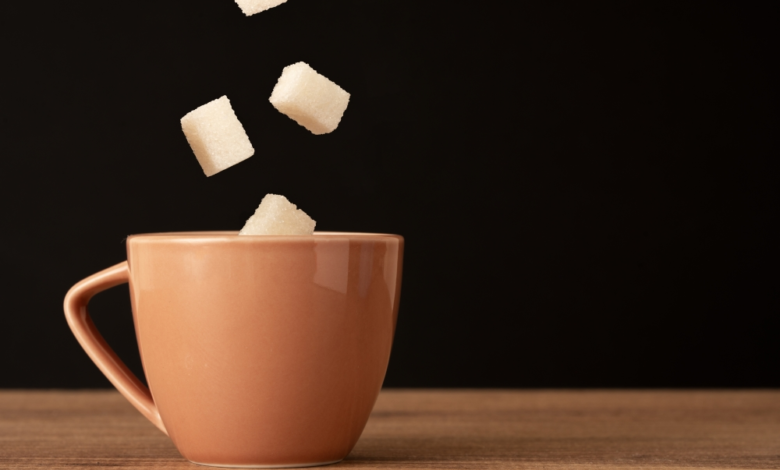
وتهدف هذه التعديلات، التي أقرها مجلس إدارة الهيئة، إلى الانتقال من نظام النسبة الثابتة المعمول به حاليًا إلى منهجية أكثر دقة تعتمد على شرائح ضريبية متدرجة. وسيتم احتساب الضريبة بناءً على كمية السكر الإجمالية لكل 100 مل من المشروب، مما يعني أن المنتجات ذات المحتوى السكري الأعلى ستخضع لضريبة أكبر، والعكس صحيح. وتأتي هذه الخطوة لتحفيز المصنعين والمستوردين على إعادة صياغة منتجاتهم وتقليل نسب السكر المضاف، بما يتماشى مع المعايير الصحية العالمية.
سياق القرار وأهدافه الصحية والاقتصادية
يأتي هذا القرار في إطار جهود المملكة المستمرة لتحقيق مستهدفات “رؤية السعودية 2030″، وتحديدًا برنامج جودة الحياة، الذي يسعى إلى تحسين النمط المعيشي وتعزيز الصحة العامة للمجتمع. وتواجه المملكة، مثل العديد من دول العالم، تحديات صحية تتعلق بارتفاع معدلات السمنة والسكري وأمراض القلب والشرايين، والتي يرتبط جزء كبير منها باستهلاك السكر المفرط. ومن المتوقع أن يسهم هذا التحول في السياسة الضريبية في تغيير سلوك المستهلكين نحو خيارات صحية أكثر، وتقليل العبء المالي والصحي على المنظومة الصحية الوطنية على المدى الطويل.
خلفية تاريخية عن الضريبة الانتقائية في السعودية
تجدر الإشارة إلى أن المملكة العربية السعودية بدأت تطبيق الضريبة الانتقائية لأول مرة في منتصف عام 2017م، كجزء من الاتفاقية الموحدة للضريبة الانتقائية لدول مجلس التعاون الخليجي. وقد شملت في بدايتها السلع ذات الأضرار الصحية مثل التبغ ومشتقاته ومشروبات الطاقة بنسبة 100%، والمشروبات الغازية بنسبة 50%. وفي وقت لاحق من عام 2019، تم توسيع نطاق الضريبة لتشمل المشروبات المحلّاة بالسكر بنسبة 50%. ويُعد التحول الحالي نحو ربط الضريبة بكمية السكر تطورًا طبيعيًا لهذه السياسات، حيث أثبتت التجارب الدولية في دول مثل المملكة المتحدة والمكسيك أن الضرائب المتدرجة تدفع الشركات بشكل فعال لتقليل السكر في وصفاتها لتجنب الشرائح الضريبية المرتفعة.
التأثير المتوقع على الأسواق والمستهلكين
من الناحية الاقتصادية، سيشكل هذا القرار دافعًا قويًا لقطاع الأغذية والمشروبات للابتكار وتقديم بدائل صحية. ستضطر الشركات المصنعة إلى مراجعة مكونات منتجاتها لضمان بقائها ضمن فئات سعرية منافسة، مما يصب في النهاية في مصلحة المستهلك الذي سيحصل على منتجات ذات ضرر أقل. كما يعكس هذا التوجه التزام المملكة بتطبيق أفضل الممارسات الدولية التي توصي بها منظمة الصحة العالمية للحد من استهلاك السكريات الحرة، مما يعزز من مكانة المملكة كدولة رائدة في سن التشريعات الداعمة للصحة العامة في المنطقة.