
نقلة نوعية في القطاع اللوجستي السعودي
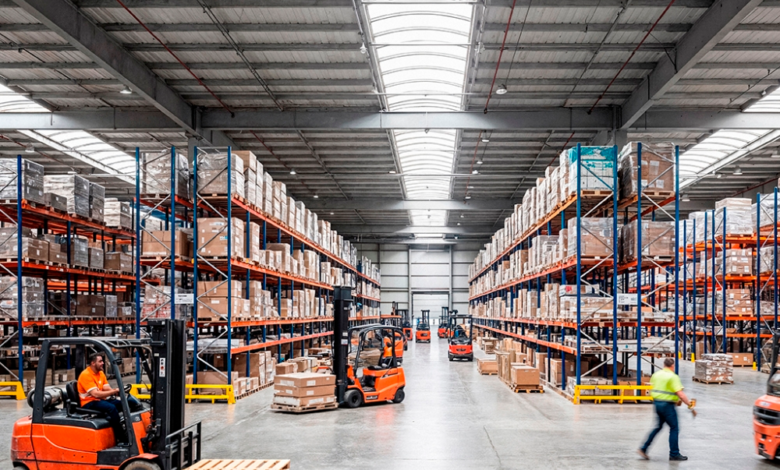
في خطوة استراتيجية تهدف إلى إعادة رسم ملامح القطاع اللوجستي في المملكة العربية السعودية، أصدرت وزارة النقل والخدمات اللوجستية الدليل الاسترشادي الفني لبناء وتشغيل المستودعات لعام 2026. يأتي هذا الإصدار كجزء لا يتجزأ من الاستراتيجية الوطنية للنقل والخدمات اللوجستية، والتي أطلقها سمو ولي العهد ضمن مستهدفات رؤية السعودية 2030. يهدف الدليل إلى توحيد الاشتراطات التخطيطية والتنظيمية للمستثمرين في كافة مناطق المملكة، مما يسهم في القضاء على ظاهرة التخزين العشوائي التي طالما شكلت تحدياً لسلاسل الإمداد، ويعزز من مكانة السعودية كمركز لوجستي عالمي يربط بين قارات آسيا وأوروبا وأفريقيا.
السياق التاريخي وأهمية التنظيم الجديد
تاريخياً، عانى قطاع التخزين في العديد من المناطق من غياب المعايير الموحدة، مما أدى إلى تباين في مستويات السلامة والكفاءة التشغيلية. ومع التطور الاقتصادي المتسارع الذي تشهده المملكة، بات من الضروري إيجاد إطار تنظيمي شامل. أوضحت الوزارة أن الدليل الجديد يشكل نافذة سهلة الاستخدام للوصول إلى كافة المتطلبات الصادرة عن مختلف الجهات الحكومية ذات العلاقة. ويشمل النطاق الجغرافي للتطبيق المستودعات الجديدة الواقعة ضمن الحدود الإدارية للبلديات، والمدن الصناعية، والمناطق الاقتصادية الخاصة، والموانئ، والمطارات. وقد استثنى الدليل المستودعات العسكرية وتلك الواقعة في مناطق تخضع لتشريعات خاصة مثل مدينة نيوم ومشروع البحر الأحمر، لتكون الجهة المشرفة عليها هي المرجعية الأساسية.
5 فئات لتصنيف المستودعات ومعايير السلامة
لضمان أعلى مستويات الأمان والكفاءة، صنف الدليل المستودعات بناءً على درجة الخطورة إلى ثلاث فئات رئيسية: منخفضة، ومتوسطة، وعالية الخطورة، وذلك وفقاً لمتطلبات الوقاية والحماية من الحريق. كما أضاف تصنيفات أخرى تعتمد على نوع الاستخدام، لتشمل المستودعات العامة، والمبردة، والمكشوفة، ومستودعات المواد الكيميائية، والأغذية. وحسمت الوزارة مسألة التداخل في الاختصاصات بتأكيدها على سيادة كود البناء السعودي لعام 2024، مشيرة إلى أنه في حال وجود أي تعارض بين اشتراطات الكود واشتراطات الجهات الحكومية أو الأكواد الدولية الأخرى، فإن اشتراطات كود البناء السعودي هي التي تسري وتطبق بشكل إلزامي.
تسهيل رحلة المستثمر ودعم سلاسل الإمداد
أكدت الوثيقة الرسمية أن الغرض الأساسي من الإصدار هو توضيح رحلة المستثمر عبر خطوات مترابطة. وقسم الدليل هذه الرحلة إلى ثلاث مراحل مفصلية: تبدأ بالتسجيل وإصدار التراخيص، مروراً بمرحلة التصميم والبناء واعتماد المخططات الهندسية، وصولاً إلى مرحلة التشغيل وممارسة النشاط. ولتتلاءم مع التطور الصناعي، سُمح بارتفاعات تصل إلى 45 متراً للمستودعات ذات التخزين الآلي في المدن الصناعية، كما حُددت نسبة البناء القصوى بما يصل إلى 60% في بعض المناطق الاقتصادية والصناعية، مع الاحتفاظ بآلية مرنة تتيح للمستثمرين طلب استثناءات مبررة فنياً واقتصادياً.
التأثير الاقتصادي ومستقبل التخزين الذكي
على الصعيدين الإقليمي والدولي، يعزز هذا الدليل من جاذبية السوق السعودي للاستثمارات الأجنبية المباشرة (FDI). وفيما يخص مرونة سلاسل الإمداد، نظم الدليل آلية عمل مستودعات التخزين للغير التي تدار عبر جهات لوجستية متخصصة (3PL). كما سلط الضوء على المستودعات الجمركية في مناطق الإيداع، والتي تتيح للمستوردين تخزين البضائع مع تعليق الرسوم الجمركية والضرائب، مما يعزز السيولة النقدية للشركات ويسرع حركة التجارة العابرة للحدود.
واستشرف الإصدار التوجهات المستقبلية للقطاع اللوجستي، مؤكداً على أهمية تبني ممارسات البناء المستدام، وتحسين كفاءة الطاقة، والتحول نحو الأتمتة المتقدمة. وأشار إلى أن استخدام الروبوتات وأنظمة التخزين الآلي والذكاء الاصطناعي سيفرض تحديثات مستمرة على أكواد البناء واشتراطات السلامة لحماية العاملين والممتلكات، مما يضع المملكة في مصاف الدول المتقدمة في إدارة اللوجستيات الذكية.