
إلغاء زيادة ضريبة وقود السيارات في بريطانيا
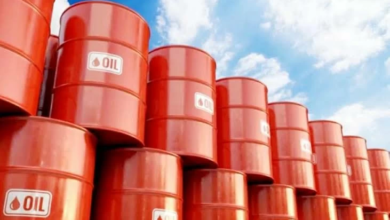
أعلن رئيس الوزراء البريطاني كير ستارمر، في خطوة تهدف إلى تخفيف الأعباء الاقتصادية عن كاهل المواطنين، أن حكومته قررت رسمياً إلغاء الزيادة التي كانت مقررة على ضريبة وقود السيارات في بريطانيا. تأتي هذه الخطوة الاستراتيجية ضمن حزمة من الإجراءات الحكومية العاجلة للسيطرة على أزمة ارتفاع تكاليف المعيشة، والتي تفاقمت مؤخراً نتيجة تقلبات أسواق الطاقة العالمية المتأثرة بالصراعات المستمرة في منطقة الشرق الأوسط.
تمديد خفض ضريبة الوقود
وفي كلمته أمام البرلمان البريطاني، أوضح ستارمر تفاصيل القرار، مؤكداً أن الخفض الحالي المفروض على ضريبة الوقود، والبالغ 5 بنسات لكل لتر، سيتم تمديد العمل به حتى نهاية العام الجاري، بعد أن كان من المقرر أن ينتهي مفعوله في شهر سبتمبر القادم. هذا التمديد يمثل متنفساً حيوياً لملايين السائقين والأسر البريطانية التي تعتمد على سياراتها في التنقل اليومي وتواجه ضغوطاً تضخمية غير مسبوقة.
السياق التاريخي والاقتصادي للقرار
تاريخياً، تعتبر ضريبة وقود السيارات في بريطانيا من القضايا السياسية والاقتصادية الحساسة. فقد تم تجميد هذه الضريبة لأكثر من عقد من الزمان لتجنب إثارة غضب الناخبين وإثقال كاهلهم. وكان الخفض البالغ 5 بنسات قد أُقر لأول مرة في عام 2022 كاستجابة طارئة للارتفاع الجنوني في أسعار النفط العالمية عقب اندلاع الحرب في أوكرانيا. واليوم، تجد الحكومة البريطانية نفسها مضطرة لمواصلة هذا النهج لتجنب صدمة اقتصادية جديدة للمستهلكين في ظل تباطؤ النمو الاقتصادي.
إعفاء قطاع الشحن من ضريبة الطرق
وفي سياق متصل بدعم القطاعات الحيوية، أعلن ستارمر عن مبادرة إضافية تتمثل في إعفاء شركات الشحن البري ونقل البضائع من ضريبة الطرق لمدة 12 شهراً. هذا القرار يحمل أهمية اقتصادية كبرى، حيث يساهم بشكل مباشر في استقرار أسعار السلع الأساسية في الأسواق، نظراً لأن تكاليف النقل تلعب دوراً حاسماً في تحديد الأسعار النهائية للمستهلك، مما يساعد في كبح جماح التضخم.
الضغوط السياسية وموقف وزارة الخزانة
وكانت تقارير إعلامية، أبرزها ما نشرته صحيفة “ذا صن” البريطانية، قد استبقت هذا الإعلان بالإشارة إلى أن وزيرة الخزانة البريطانية، راشيل ريفز، تتجه نحو التخلي عن خطط زيادة ضريبة الوقود خلال إعلان الميزانية هذا الأسبوع. وقد جاء هذا التوجه بعد أن تعرضت الحكومة لضغوط سياسية مكثفة من قبل أحزاب المعارضة المختلفة. فقد قاد حزب الإصلاح “ريفورم يو كيه”، إلى جانب حزب المحافظين والديمقراطيين الليبراليين، حملات قوية تطالب بالتراجع عن أي زيادات ضريبية، محذرين من تداعياتها الكارثية على الاقتصاد المحلي.
التأثيرات الإقليمية والدولية
على الصعيد الإقليمي والدولي، يعكس هذا القرار مدى تأثر الاقتصادات الكبرى بالتوترات الجيوسياسية. فالصراع في الشرق الأوسط، وتحديداً التوترات في البحر الأحمر التي تؤثر على مسارات الشحن العالمية، أدى إلى حالة من عدم اليقين في أسواق النفط. وبالتالي، فإن إلغاء زيادة ضريبة وقود السيارات في بريطانيا ليس مجرد قرار محلي، بل هو انعكاس مباشر لمحاولة الدول التكيف مع الأزمات العالمية وحماية أمنها الاقتصادي الداخلي من الصدمات الخارجية.
إن استقرار أسعار الوقود يعتبر محركاً أساسياً للنمو الاقتصادي. ومن خلال تجنب فرض أعباء ضريبية جديدة، تأمل الحكومة البريطانية في تحفيز الاستهلاك المحلي ودعم الشركات الصغيرة والمتوسطة التي تعتمد على النقل. كما أن هذه الخطوة قد تشكل نموذجاً تراقبه دول أوروبية أخرى تواجه تحديات مشابهة في الموازنة بين إيرادات الدولة وحماية القوة الشرائية للمواطنين في ظل استمرار الأزمات الجيوسياسية المعقدة.