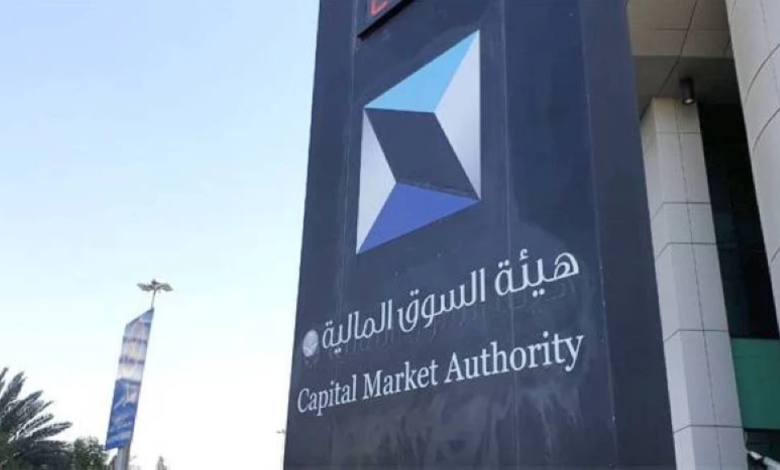

إجراءات صارمة لحماية السوق المالية السعودية
في خطوة تعكس التزام الجهات الرقابية في المملكة العربية السعودية بتطبيق أعلى معايير الشفافية والحوكمة، أعلنت هيئة السوق المالية عن إحالة 17 مشتبهاً بهم إلى النيابة العامة. شملت قائمة المشتبه بهم أعضاء مجلس إدارة سابقين وحاليين في شركة “سينومي ريتيل” (المعروفة سابقاً بشركة فواز عبدالعزيز الحكير وشركاه)، بالإضافة إلى رئيس تنفيذي، وعدد من المديرين الماليين، وأعضاء من فريق المراجعة التابع لمراجع حسابات الشركة السابق. وتأتي هذه الإحالة على خلفية الاشتباه في ارتكابهم مخالفات جسيمة لنظام السوق المالية ولائحة سلوكيات السوق، فضلاً عن مخالفات لنظام الشركات.
تفاصيل المخالفات: تحقيق مكاسب شخصية وتضليل المستثمرين
بناءً على نتائج التفتيش الجنائي الدقيق الذي أجراه فريق متخصص من الهيئة، تم الكشف عن ممارسات غير مشروعة تضمنت الاشتراك في إيجاد انطباع غير صحيح ومضلل بشأن قيمة الورقة المالية للشركة. ولم تقتصر التجاوزات على ذلك، بل امتدت لتشمل استغلال بعض المشتبه بهم لأموال الشركة وصلاحياتهم الوظيفية للإضرار بمصالح “سينومي ريتيل”، وذلك بهدف تحقيق أغراض ومكاسب شخصية، ومحاباة شركات أخرى تربطهم بها مصالح مباشرة، مما استدعى إيداع دعوى جزائية ضدهم لدى لجان الفصل في منازعات الأوراق المالية.
السياق العام والخلفية التاريخية للحدث
تأسست هيئة السوق المالية السعودية بهدف تنظيم وتطوير السوق المالية، وحماية المستثمرين من الممارسات غير العادلة. وتعتبر شركة “سينومي ريتيل” واحدة من كبريات الشركات العاملة في قطاع التجزئة في المملكة والشرق الأوسط. تاريخياً، شهدت السوق المالية السعودية (تداول) إصلاحات هيكلية واسعة النطاق، خاصة مع انطلاق رؤية المملكة 2030، التي تهدف إلى جعل السوق السعودي بيئة جاذبة وآمنة للاستثمارات المحلية والأجنبية. وتأتي هذه الإجراءات الصارمة ضد التلاعب المالي كجزء من سلسلة جهود مستمرة لتنظيف السوق من أي ممارسات قد تضر بسمعة الاقتصاد الوطني أو تخل بمبدأ العدالة وتكافؤ الفرص.
أهمية الحدث وتأثيره المتوقع (محلياً، إقليمياً، ودولياً)
يحمل هذا الإجراء الرقابي الحازم دلالات وتأثيرات واسعة النطاق على عدة مستويات:
- على المستوى المحلي: يعزز هذا القرار من ثقة المستثمرين الأفراد والمؤسسات في كفاءة ونزاهة السوق المالية السعودية. كما يوجه رسالة تحذيرية شديدة اللهجة لكل من تسول له نفسه التلاعب بأموال المساهمين، مؤكداً أن الأنظمة الرقابية تعمل بكفاءة عالية لرصد أي تجاوزات.
- على المستوى الإقليمي: يرسخ هذا الإجراء مكانة “تداول” كأكبر وأهم سوق مالي في منطقة الشرق الأوسط وشمال أفريقيا، ويبرز تفوق المملكة في تطبيق معايير الحوكمة الرشيدة مقارنة بالأسواق المجاورة.
- على المستوى الدولي: يساهم تطبيق القانون بصرامة في جذب المزيد من رؤوس الأموال الأجنبية والمستثمرين المؤسساتيين الدوليين، الذين يضعون الشفافية وحماية حقوق الأقلية في مقدمة أولوياتهم عند اتخاذ قرارات الاستثمار في الأسواق الناشئة.
حماية حقوق المتضررين وإعلان هويات المخالفين
أكدت هيئة السوق المالية أنها لن تتوانى عن ملاحقة المتلاعبين، مشددة على أن الممارسات التي تنطوي على احتيال وغش تعرض مرتكبيها للمساءلة القانونية والعقوبات الصارمة. وفي خطوة لتعزيز الشفافية، أعلنت الأمانة العامة للجان الفصل في منازعات الأوراق المالية أنها ستقوم بنشر هويات المخالفين للعموم عبر موقعها الإلكتروني فور ثبوت المخالفات وصدور قرارات نهائية بحقهم. كما كفلت الأنظمة حق المتضررين من هذه التجاوزات في رفع دعاوى تعويض أمام اللجان المختصة، شريطة تقديم شكوى رسمية مسبقة للهيئة، مما يضمن استرداد الحقوق لأصحابها وفق الأطر القانونية السليمة.