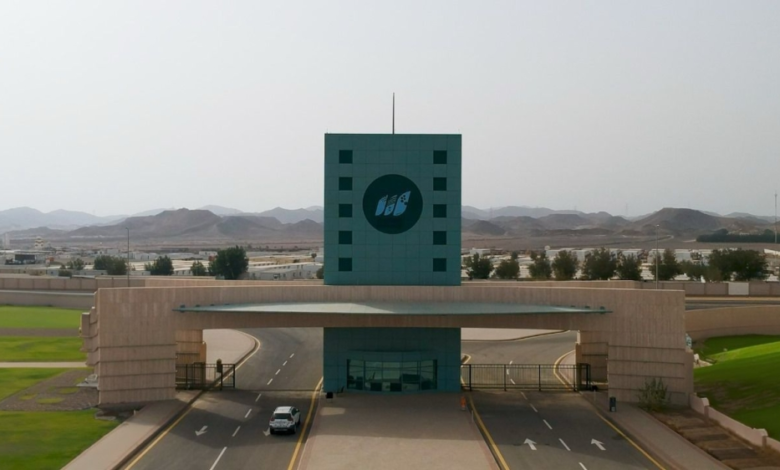
Jeddah University: Academic accreditation for fashion and arts programs supports Vision 2030

In a strategic move reflecting its commitment to the highest educational quality standards, Jeddah University announced that it has received full national program accreditation from the Education and Training Evaluation Commission for its Bachelor of Arts in Fashion Design and Bachelor of Arts in Painting and Fine Arts programs offered by the College of Design and Arts. This achievement is the culmination of the university's ongoing efforts to develop its educational outcomes and align them with the demands of the growing labor market and the goals of the Kingdom's Vision 2030.
Context of the achievement and its national importance
This accreditation comes at a time when Saudi Arabia is undergoing an unprecedented cultural and economic transformation. Vision 2030 places great emphasis on developing the creative and cultural sectors as part of its strategy to diversify the national economy and build a vibrant society. The establishment of the Ministry of Culture and its specialized bodies, such as the Fashion Commission and the Visual Arts Commission, has created a growing demand for qualified and creative Saudi talent. This underscores the importance of Jeddah University's accredited programs, which provide these vital sectors with graduates possessing the skills and knowledge necessary to compete and innovate, thus contributing directly to achieving national development goals.
The impact of dependency on students and the labor market
Obtaining academic accreditation from the Education and Training Evaluation Commission (ETEC), the national body responsible for ensuring the quality of education in the Kingdom, is a credible testament to the fact that both programs meet stringent national standards. For students, this means their degrees are highly valued in the job market, enhancing their career prospects and enabling them to contribute effectively to the creative industries. Accreditation also ensures that the curriculum and educational process are designed to equip them with the competencies employers demand, from technical and design skills to critical thinking and entrepreneurship. This achievement is the result of collaborative efforts between the College of Design and Arts and the Deanship of Quality and Development at the university, which worked to develop the program descriptions and align them with global best practices.
The university's role in promoting the creative landscape
Dr. Alaa Mujahid, Dean of Quality and Development, affirmed that this accreditation represents a significant step in the university's journey toward academic excellence and embodies its commitment to implementing best quality practices. She noted that the university continues to support all its academic programs in obtaining national and international accreditations, thereby enhancing the competitiveness of its graduates and solidifying a culture of quality and excellence. By graduating certified artists and designers, Jeddah University not only contributes to meeting the needs of the local market but also plays a pivotal role in shaping the Kingdom's contemporary cultural identity and showcasing its creativity on the regional and international stage, thus fulfilling the goals of Vision 2030 to make the Kingdom a leading destination for culture and the arts.