
Rapid security developments in the Arabian Gulf region
The Arabian Gulf region witnessed a series of security and field developments, with authorities reporting material damage to two ports in Kuwait, coinciding with the successful interception and destruction of ballistic missiles and explosive-laden drones launched towards Saudi Arabia by its air defenses. These events reflect the ongoing challenges facing the Gulf Cooperation Council (GCC) states in maintaining regional stability and maritime security.
Saudi Arabia successfully counters terrorist threats
In Saudi Arabia, the Coalition to Restore Legitimacy in Yemen and Saudi air defenses continue to counter terrorist threats targeting civilian infrastructure and civilians. Defense systems have successfully detected and intercepted a number of ballistic missiles and explosive-laden drones, destroying them before they reached their targets. These hostile attempts are part of a series of attacks launched by the Houthi militias, which have been met with widespread international condemnation for their blatant violation of international humanitarian law and its customary rules.
Material damage to Kuwaiti ports and containment efforts
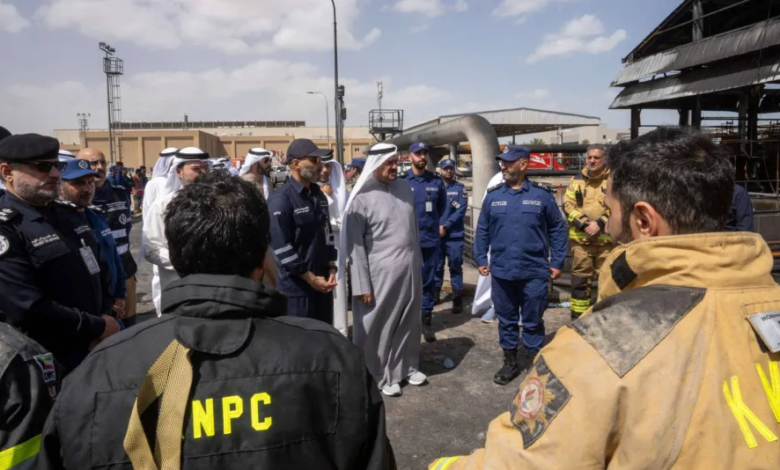
On the other hand, reports from Kuwait indicate material damage to two vital ports. Kuwaiti ports are considered the main artery of trade and the economy in the country. The relevant Kuwaiti authorities, represented by the Ports Authority and security agencies, are taking all necessary measures to address the damage, assess the material losses, and ensure that maritime traffic and supply chains are not affected. Kuwait places great importance on securing its vital infrastructure against any emergencies or potential threats.
The historical context of Gulf security and maritime navigation
Historically, these developments are linked to the broader context of tensions in the Middle East, specifically the Yemeni crisis that erupted in 2014. Since then, Saudi Arabia has borne the brunt of countering cross-border threats, investing heavily in developing advanced air defense systems to protect its airspace. Simultaneously, the Gulf states collectively seek to bolster their maritime security and safeguard strategic waterways, through which a significant portion of the world's energy supply passes.
Expected impacts at the regional and international levels
These events are of paramount importance and have a profound impact at the local, regional, and international levels. Locally, these developments underscore the vigilance of the security and defense apparatuses in both Saudi Arabia and Kuwait, and their capacity to manage crises and minimize losses. Regionally, these challenges reinforce the solidarity of the Gulf Cooperation Council (GCC) states and the necessity of joint security coordination to confront destabilizing threats. Internationally, any threat to the security of the Gulf, its ports, or waterways directly impacts global energy markets and international trade, prompting the international community to demand a halt to these attacks and to work towards finding comprehensive political solutions to regional crises to ensure international peace and security.