Israeli military on high alert in anticipation of an imminent Iranian response

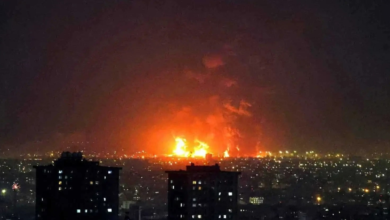
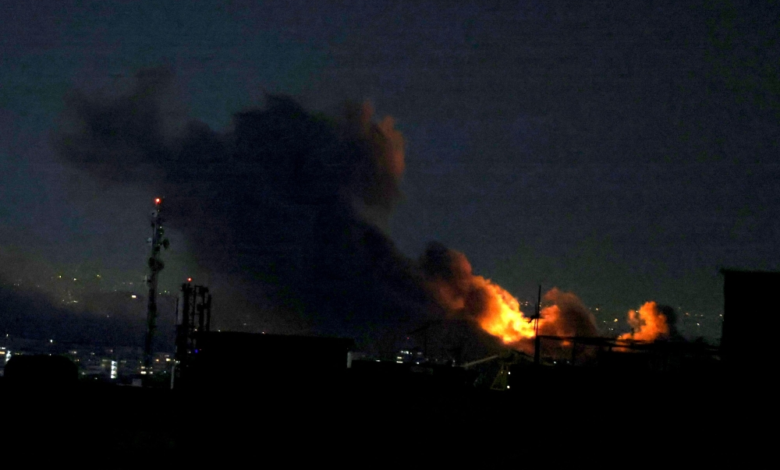
Israeli media reports indicate that the Israeli army has raised its alert level amid anticipation of a possible Iranian response to the attack on the Iranian consulate in Damascus. Press sources also noted significant military activity in northern Israel, coinciding with intensive meetings of the political and military leadership to discuss potential confrontation scenarios, including the possibility of a return to full-scale war.
Background to the tensions: From the consulate in Damascus to mutual threats
This mobilization comes amid unprecedented tensions between Israel and Iran, which reached a peak after the airstrike attributed to Israel that targeted the Iranian consulate in the Syrian capital, Damascus, in early April 2024. The attack killed several senior commanders of the Iranian Revolutionary Guard, including General Mohammad Reza Zahedi, an act Tehran considered a crossing of all red lines. Following the attack, Iranian Supreme Leader Ali Khamenei and other Iranian officials vowed a “painful” and “inevitable” response, asserting that Israel would “regret” its actions. This escalation of rhetoric has put the entire region on high alert, as any direct Iranian response is seen as potentially igniting a wider regional war.
Importance and potential repercussions: Mobilization on all fronts
The significance of this event lies in the fact that it brings the Israeli-Iranian conflict, which has been waged for years as a "shadow war" through proxies, cyberattacks, and covert operations, to the brink of direct confrontation. Its potential repercussions extend far beyond the borders of the two countries, encompassing the entire region and the world.
- Domestically, in Israel, air defense systems such as Iron Dome and David's Sling have been reinforced, and reserve soldiers in air defense units have been called up. Israelis, especially in the northern regions near Lebanon and Syria, are living in a state of anxiety in anticipation of potential missile attacks from Iran, either directly or through its allies such as Hezbollah in Lebanon.
- Regionally, any direct confrontation would likely open multiple fronts. Hezbollah is expected to participate heavily from Lebanon, along with pro-Iranian factions in Syria and Iraq, and possibly the Houthis in Yemen. Such a scenario threatens to destabilize neighboring countries and plunge the Middle East into chaos.
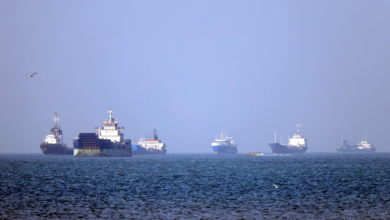
- Internationally, global powers, led by the United States, are closely monitoring the situation. Washington has reaffirmed its commitment to Israel's security, while other international actors, including the European Union and Russia, have called for maximum restraint to avoid a devastating war. Any major escalation would inevitably affect global energy markets and maritime security in the Strait of Hormuz and the Bab el-Mandeb Strait.
In conclusion, the Middle East stands on the brink, with Israel considering various response scenarios and preparing for all eventualities. The coming days will be crucial in determining the course of events and whether diplomatic efforts will succeed in defusing the crisis, or whether the region will slide into a full-blown war that could reshape its landscape for years to come.