
أزمة مضيق هرمز: شبح المجاعة يهدد الملايين بسبب تعطل إمدادات الأسمدة
دق مسؤول أممي رفيع المستوى ناقوس الخطر، محذراً من أن استمرار تعطيل مرور شحنات الأسمدة الحيوية عبر مضيق هرمز قد يدفع بالعالم نحو أزمة إنسانية كارثية في غضون أسابيع قليلة. وأكد خورخي موريرا دا سيلفا، رئيس الفريق الأممي المعني بتأمين مرور الأسمدة، أن الوضع الحالي حرج للغاية ولا يحتمل التأخير، مشيراً إلى أن الفشل في إيجاد حل سريع قد يضع 45 مليون شخص إضافي على شفا المجاعة.
مضيق هرمز: شريان استراتيجي للاقتصاد العالمي
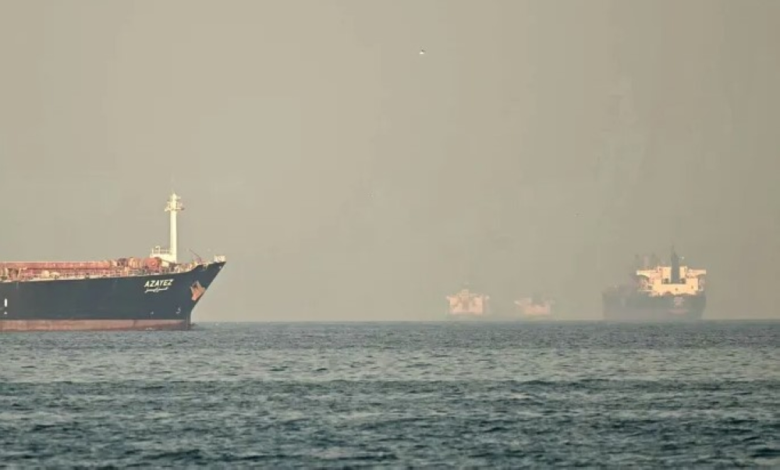
يُعد مضيق هرمز أحد أهم الممرات المائية في العالم، حيث يربط بين الخليج العربي وخليج عُمان، ومنه إلى بحر العرب والمحيط الهندي. وتكمن أهميته الاستراتيجية في كونه نقطة العبور الرئيسية لجزء كبير من إمدادات الطاقة العالمية، ولكنه أيضاً ممر حيوي لصادرات أخرى لا تقل أهمية، وعلى رأسها الأسمدة والمواد الخام اللازمة لإنتاجها. وتعتبر دول الخليج من أكبر منتجي ومصدري الأسمدة مثل اليوريا والأمونيا، التي تشكل عصب الإنتاج الزراعي في العديد من دول العالم. ويمر عبر هذا المضيق ما يقارب ثلث صادرات الأسمدة العالمية، مما يجعله نقطة اختناق محورية للأمن الغذائي العالمي.
تصاعد التوترات يعطل تدفق الإمدادات الحيوية
تاريخياً، كان مضيق هرمز مسرحاً للتوترات الجيوسياسية، وغالباً ما يتأثر استقرار الملاحة فيه بالصراعات الإقليمية والدولية. وقد أدت الاضطرابات الأخيرة في المنطقة إلى تعقيد حركة الملاحة وتعطيل شبه كامل لمرور سفن الشحن، بما في ذلك ناقلات الأسمدة. هذا التعطيل لا يؤثر فقط على الشركات المنتجة، بل يمتد تأثيره ليضرب سلاسل الإمداد الغذائي العالمية في الصميم، حيث تعتمد دول كبرى مستوردة للغذاء مثل البرازيل والصين والهند، بالإضافة إلى العديد من الدول الإفريقية النامية، بشكل كبير على هذه الإمدادات لضمان مواسمها الزراعية.
تداعيات عالمية: من نقص الأسمدة إلى ارتفاع أسعار الغذاء
حذر دا سيلفا من أن السيناريو الأسوأ قد يشمل دفع ما يقارب 45 مليون شخص إضافي نحو خطر المجاعة إذا استمر هذا الوضع. إن نقص الأسمدة يعني تراجعاً حتمياً في إنتاجية المحاصيل الزراعية، مما يؤدي إلى انخفاض المعروض من الغذاء في الأسواق العالمية وارتفاع كبير في الأسعار. وسيكون العبء الأكبر على كاهل الدول الأكثر فقراً التي تعاني بالفعل من انعدام الأمن الغذائي. وأشار المسؤول الأممي إلى أن نافذة الفرصة تضيق بسرعة، خاصة مع اقتراب نهاية موسم الزراعة في بعض الدول الإفريقية، مما يعني أن أي تأخير إضافي في وصول الأسمدة سيكون له عواقب لا يمكن تداركها هذا العام.
جهود أممية عاجلة لتجنب الكارثة
في محاولة لاحتواء الأزمة، شكّل الأمين العام للأمم المتحدة، أنطونيو غوتيريش، فريق عمل متخصص برئاسة دا سيلفا لوضع آلية تضمن المرور الآمن لشحنات الأسمدة والمواد الخام المرتبطة بها كالأمونيا والكبريت. وأجرى الفريق مشاورات مكثفة مع ممثلين لأكثر من 100 دولة لحشد الدعم الدولي لهذه المبادرة. ومع ذلك، لا تزال هناك تحديات كبيرة في إقناع الأطراف الرئيسية في النزاع بالانخراط بشكل كامل في هذا المقترح. ورغم صعوبة الموقف، شدد دا سيلفا على أن الحلول لا تزال ممكنة وعاجلة، وأن السماح بمرور عدد محدود من السفن يومياً يمكن أن يخفف من حدة الأزمة ويمنع تحولها إلى واقع إنساني مؤلم على نطاق عالمي.