
لندن تفرض عقوبات جديدة على شبكات إيرانية
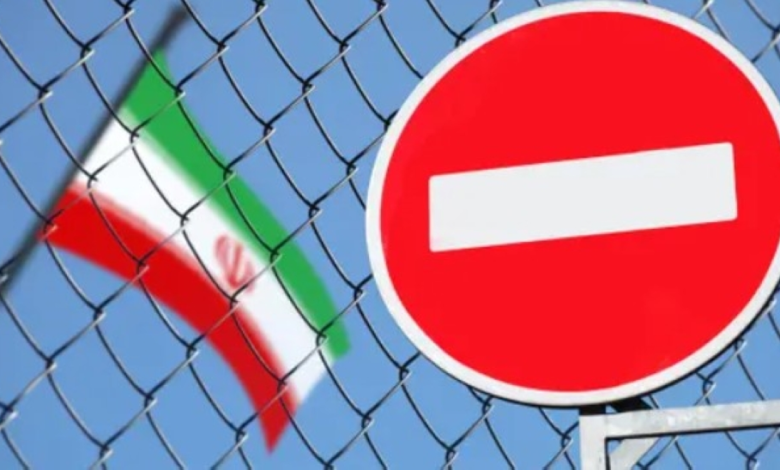
في خطوة جديدة تعكس التوتر المتصاعد، أعلنت الحكومة البريطانية يوم الاثنين عن فرض حزمة عقوبات جديدة ومشددة استهدفت 12 فرداً وكياناً على صلة بالنظام الإيراني. ووفقاً لبيان وزارة الخارجية البريطانية، تأتي هذه الإجراءات رداً على تورط هؤلاء الأفراد والكيانات في أنشطة عدائية تهدف إلى تهديد وزعزعة استقرار المملكة المتحدة ودول أخرى.
تشمل العقوبات تجميد أصول وحظر سفر على تسعة أشخاص، بالإضافة إلى شركتي صرافة هما “بيريليانس للصرافة” و”جي سي إم للصرافة”، واللتان تعملان ضمن ما وصفته السلطات بـ”شبكة الظل المصرفية” الإيرانية. وتستهدف العقوبات أيضاً شبكة “زندشتي” الإجرامية، التي تتهمها لندن وواشنطن بالضلوع في عمليات اغتيال وخطف لمعارضين للنظام الإيراني حول العالم.
سياق تاريخي من التوترات والعقوبات
تأتي هذه الحزمة من العقوبات ضمن سلسلة طويلة من الإجراءات التي اتخذتها الدول الغربية، وعلى رأسها الولايات المتحدة والمملكة المتحدة، للضغط على إيران. وتعود جذور هذه السياسة إلى عقود مضت، لكنها تكثفت بشكل كبير في السنوات الأخيرة بسبب عدة ملفات شائكة، أبرزها البرنامج النووي الإيراني، ودور طهران المزعزع للاستقرار في منطقة الشرق الأوسط عبر دعمها لوكلاء مسلحين، بالإضافة إلى سجلها في مجال حقوق الإنسان.
وعلى الرغم من التوصل إلى الاتفاق النووي (خطة العمل الشاملة المشتركة) في عام 2015، والذي هدف إلى تخفيف العقوبات مقابل تقييد البرنامج النووي الإيراني، إلا أن انسحاب الولايات المتحدة منه في عام 2018 أعاد فرض عقوبات قاسية. ومنذ ذلك الحين، اعتمدت إيران بشكل متزايد على شبكات مالية سرية ومعقدة، تُعرف بـ”بنوك الظل”، للتحايل على هذه العقوبات وتمويل أنشطة الحرس الثوري الإيراني وعملياته الخارجية.
أهمية الإجراءات وتأثيرها المتوقع
تكتسب العقوبات البريطانية الأخيرة أهميتها من كونها لا تستهدف فقط كيانات حكومية، بل تركز بشكل دقيق على الشبكات المالية والإجرامية التي تشكل شريان الحياة الاقتصادي للنظام الإيراني في الخارج. من خلال استهداف شركات الصرافة وأفراد متورطين في غسيل الأموال، تسعى لندن وحلفاؤها إلى تجفيف منابع تمويل الأنشطة التي تعتبرها تهديداً مباشراً لأمنها القومي.
على الصعيد المحلي، تمثل هذه الخطوة رسالة حازمة بأن المملكة المتحدة لن تتسامح مع أي محاولات إيرانية لتنفيذ عمليات عدائية على أراضيها، خاصة بعد تقارير عن تهديدات استهدفت صحفيين ونشطاء إيرانيين مقيمين في بريطانيا. أما على الصعيد الدولي، فإن تنسيق هذه العقوبات مع الولايات المتحدة يعزز من فعاليتها ويضيق الخناق على قدرة إيران على المناورة المالية. ومن المتوقع أن تؤدي هذه الإجراءات إلى زيادة عزلة إيران الاقتصادية، وتعقيد قدرتها على تمويل وكلائها في المنطقة، مما قد يؤثر على ميزان القوى في صراعات إقليمية متعددة.