
جمود سياسي يهدد استقرار الصومال الهش
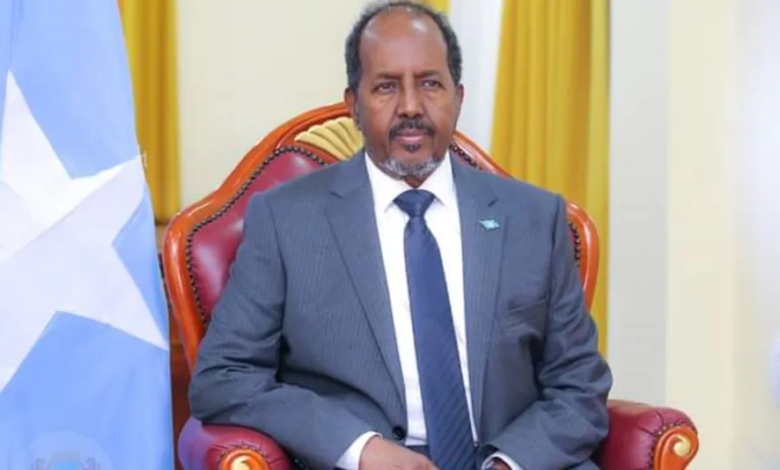
يتعمق المشهد السياسي في الصومال تعقيداً مع تعثر “الحوار الرئاسي”، أو ما يعرف بـ”المجلس التشاوري الوطني”، الذي يجمع قادة الحكومة الفيدرالية ورؤساء الولايات الأعضاء. هذا الجمود، الذي يتركز بشكل أساسي حول خلافات عميقة بشأن التعديلات الدستورية المقترحة، يلقي بظلال من الشك على مستقبل الاستقرار السياسي والأمني في بلد يكافح للتعافي من عقود من الصراع.
خلفية الأزمة: تعديلات دستورية تثير الانقسام
تعود جذور الأزمة الحالية إلى المبادرات التي أطلقها الرئيس حسن شيخ محمود لإجراء تعديلات جوهرية على الدستور المؤقت للبلاد. تشمل أبرز هذه التعديلات التحول من النظام البرلماني إلى النظام الرئاسي، وإقرار نظام الحزبين السياسيين، وتحديد فترة الرئاسة بخمس سنوات. بينما ترى الحكومة الفيدرالية في مقديشو أن هذه الخطوات ضرورية لتعزيز سلطة الدولة المركزية وتجاوز نظام المحاصصة العشائرية المعقد، تنظر إليها بعض الولايات الفيدرالية، وعلى رأسها ولاية بونتلاند، بعين الريبة والشك.
تعتبر بونتلاند، وهي إحدى أقدم وأقوى الولايات الفيدرالية، أن هذه التعديلات تمت بشكل أحادي دون توافق وطني شامل، وأنها تمثل محاولة لتقويض النظام الفيدرالي والاستيلاء على صلاحيات الولايات. ونتيجة لذلك، أعلنت بونتلاند تعليق اعترافها بالحكومة الفيدرالية والعمل كدولة مستقلة مؤقتاً حتى يتم التوصل إلى دستور متفق عليه عبر الحوار، مما أدى إلى شل أعمال المجلس التشاوري الوطني وتفاقم الأزمة.
الأهمية والتأثيرات المتوقعة للأزمة
إن تعثر الحوار الوطني لا يمثل مجرد خلاف سياسي عابر، بل يحمل في طياته تداعيات خطيرة على مختلف الأصعدة:
- على الصعيد المحلي: يهدد هذا الانقسام بتآكل الثقة بين المركز والولايات، وقد يؤدي إلى تجدد التوترات السياسية التي قد تتطور إلى مواجهات أمنية. الأهم من ذلك، أن هذا الصراع الداخلي يصرف الانتباه والموارد عن المعركة الأساسية ضد حركة الشباب الإرهابية، التي قد تستغل هذا الفراغ السياسي لتعزيز نفوذها وشن هجمات جديدة.
- على الصعيد الإقليمي: يضيف هذا الاضطراب الداخلي طبقة جديدة من التعقيد على الوضع المتوتر أصلاً في منطقة القرن الأفريقي، خاصة في ظل الخلافات الحدودية والاتفاق المثير للجدل بين إثيوبيا وإقليم أرض الصومال الانفصالي. إن أي ضعف في الدولة الصومالية المركزية قد يغري القوى الإقليمية بالتدخل، مما يزيد من زعزعة استقرار المنطقة بأكملها.
- على الصعيد الدولي: ينظر المجتمع الدولي بقلق بالغ إلى هذه التطورات. فالدول والمنظمات الدولية، التي استثمرت مليارات الدولارات في دعم بناء الدولة والأمن في الصومال على مدى سنوات، تخشى أن يؤدي هذا التراجع السياسي إلى انهيار التقدم المحرز بصعوبة. كما أن عدم الاستقرار يهدد الجهود الدولية لمكافحة الإرهاب والقرصنة في أحد أهم الممرات الملاحية في العالم.
مستقبل غامض وسيناريوهات مفتوحة
يقف الصومال اليوم عند مفترق طرق حاسم. فإما أن ينجح القادة السياسيون في تغليب لغة الحوار والتوافق للوصول إلى تسوية تحافظ على وحدة البلاد وتستكمل مسار بناء الدولة، أو أن تنزلق البلاد نحو سيناريوهات أكثر تعقيداً وخطورة، تعيد إلى الأذهان فترات الانقسام والصراع التي عانى منها الشعب الصومالي طويلاً. إن الساعات والأيام القادمة ستكون حاسمة في تحديد مسار مستقبل الصومال.