The latest queen bee breeding techniques in partnership with the United Nations in Asir

A specialized workshop on queen bee breeding has been launched in the Asir region
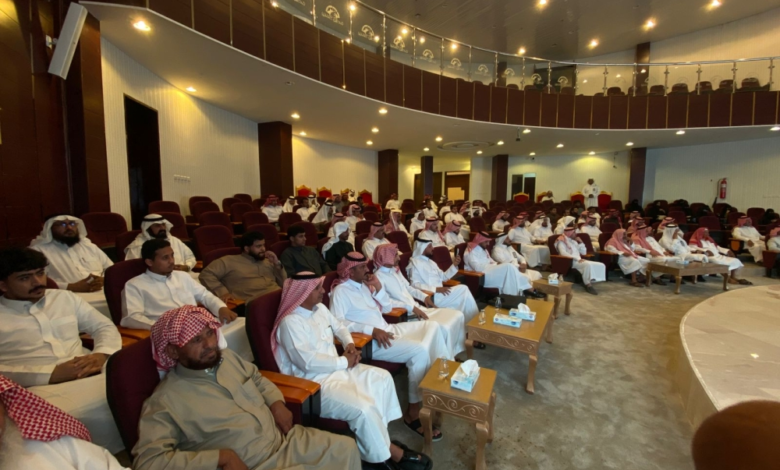
In a strategic move aimed at developing the agricultural sector and promoting environmental sustainability, the Ministry of Environment, Water and Agriculture branch in the Asir region launched a specialized workshop in Mahayil Asir Governorate entitled "Queen Bee Breeding." This pioneering event saw the participation of more than 100 beekeepers from the region, with the goal of increasing the efficiency of local production and improving national bee breeds, which will positively impact the quality and competitiveness of Saudi honey in the market.
Strategic and international partnerships to support beekeepers
The ministry branch explained that this event would not have been possible without the fruitful strategic cooperation with the Sustainable Rural Agricultural Development Program “Reef Saudi Arabia,” the Khamis Mushait Municipality, and the Beekeepers Association. Adding to the event's significance is the technical partnership with the Food and Agriculture Organization of the United Nations (FAO), which underscores the Kingdom's commitment to implementing the highest international standards in beekeeping and sustainable agriculture, given the global importance of bees in preserving biodiversity and pollinating agricultural crops.
The workshop aimed to provide advanced scientific and applied content on modern and innovative methods of queen rearing, which ensures increased productivity within apiaries and reduced losses, in addition to enhancing the bees' ability to resist climate changes and diseases.
Historical context and geographical importance of the Asir region
The Asir region, located in southwestern Saudi Arabia, boasts a long and rich history of beekeeping and honey production. Thanks to its diverse mountainous terrain and lush vegetation, including jujube, acacia, and tamarisk trees, Asir provides an ideal environment and natural breeding ground for some of the world's finest honey. Developing queen bee rearing techniques in this region is a continuation of a deeply rooted agricultural heritage and a serious effort to integrate inherited expertise with the latest scientific advancements to ensure the sustainability of this time-honored profession for future generations.
Enhancing the quality and productivity of domestic honey and its economic impact
The workshop agenda included a detailed review of bee colony propagation techniques and the improvement of the genetic traits of local bee breeds. This step aims directly to enhance the quality and productivity of domestic honey, contributing to meeting growing local demand and reducing reliance on imports. Regionally, through these initiatives, the Kingdom seeks to become a leading regional hub for exporting high-quality honey and other bee products, thus supporting the national economy.
The workshop also addressed the mechanisms of professional bee management, in addition to identifying the most prominent diseases and pests that threaten bees, and ways to prevent them and reduce their spread using environmentally safe methods that preserve consumer health and the safety of the environment.
Alignment with the objectives of Saudi Vision 2030
The Director General of the Ministry's branch in the region, Engineer Mohammed Al-Ateef, affirmed that these educational and training programs are central to efforts to develop the beekeeping sector and promote sustainable agricultural practices. He pointed out that these steps are fully aligned with the objectives of the Kingdom's Vision 2030, specifically regarding the development of the rural agricultural sector, raising the quality of local products, and supporting the national food security system, which is a fundamental pillar of the Kingdom's future strategy.
For their part, the participating beekeepers showed great enthusiasm for the innovative practical aspects presented during the workshop, noting its pivotal role in transferring global expertise and refining their skills according to the latest best practices. The Ministry concluded the event by affirming its commitment to continuing its extension programs to provide all forms of support, striving to solidify the Kingdom's leading position in the production of high-quality honey at both the regional and international levels.