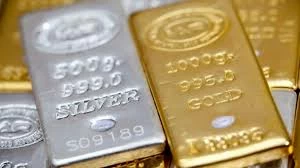

ارتفاع ملحوظ في أسعار المعادن الثمينة
شهدت أسواق المعادن الثمينة تحولات لافتة خلال تداولات اليوم المتقلبة، حيث ارتفعت أسعار الذهب معززةً مكانتها كملاذ آمن، بينما حققت الفضة قفزة سعرية كبيرة. يأتي هذا الأداء في ظل تقييم المستثمرين للتطورات الجيوسياسية المتصاعدة في منطقة الشرق الأوسط، بالإضافة إلى حالة من الترقب الحذر لصدور بيانات التضخم الرئيسية في الولايات المتحدة، والتي قد تحدد مسار السياسة النقدية للاحتياطي الفيدرالي.
وفي تفاصيل التداولات، سجلت العقود الآجلة للذهب تسليم شهر يونيو ارتفاعًا بنسبة 0.10% لتستقر عند مستوى 2374.60 دولارًا للأوقية، في حين صعد سعر التسليم الفوري بنسبة 0.18% ليصل إلى 2373.04 دولارًا. أما الفضة، فقد شهدت أداءً استثنائيًا، حيث قفزت عقودها الآجلة تسليم يوليو بنسبة حادة بلغت 6.70% لتصل إلى 31.280 دولارًا للأوقية، وارتفع سعر التسليم الفوري بنسبة 6.43% مسجلاً 31.487 دولارًا للأوقية.
الذهب كملاذ آمن في ظل التوترات العالمية
تاريخيًا، يُعتبر الذهب أداة تحوط رئيسية ضد المخاطر الاقتصادية والسياسية. في أوقات عدم اليقين، يتجه المستثمرون والبنوك المركزية نحو المعدن الأصفر للحفاظ على القيمة. وتُعد التوترات الجيوسياسية في الشرق الأوسط، بما في ذلك الملف الإيراني وتأثيره على استقرار المنطقة، دافعًا أساسيًا لزيادة الطلب على الذهب. أي تصعيد في النزاعات الإقليمية يثير قلق الأسواق العالمية ويدفع المستثمرين للبحث عن أصول آمنة بعيدًا عن تقلبات الأسهم والعملات.
عزا محللون هذا الارتفاع إلى عمليات “صيد الصفقات” وإعادة تموضع المحافظ الاستثمارية قبيل صدور بيانات اقتصادية هامة. يستغل المتداولون أي تراجعات طفيفة في الأسعار كفرص للشراء، تحسبًا لبيانات قد تأتي في صالح ارتفاع الذهب، مثل تباطؤ التضخم الذي قد يدفع الفيدرالي الأمريكي نحو خفض أسعار الفائدة.
تأثير بيانات التضخم والسياسة النقدية
تتجه أنظار الأسواق حاليًا نحو صدور مؤشر أسعار المستهلكين (CPI) ومؤشر أسعار المنتجين (PPI) في الولايات المتحدة. تعتبر هذه البيانات مقياسًا رئيسيًا للتضخم، وتؤثر بشكل مباشر على قرارات السياسة النقدية لمجلس الاحتياطي الفيدرالي. إن وجود علاقة عكسية بين أسعار الفائدة والذهب يعني أن أي مؤشرات على تراجع التضخم قد تعزز من احتمالات خفض الفائدة، مما يقلل من تكلفة الفرصة البديلة لحيازة الذهب الذي لا يدر عائدًا، ويدعم أسعاره بشكل كبير.
بالإضافة إلى ذلك، تظل العلاقات التجارية بين القوى الاقتصادية الكبرى، مثل الولايات المتحدة والصين، عاملاً مؤثرًا. أي تطورات في المباحثات التجارية أو فرض رسوم جمركية جديدة يمكن أن يثير موجة جديدة من عدم اليقين في الأسواق، مما يعزز من جاذبية الذهب والفضة كأصول استثمارية آمنة ومستقرة.