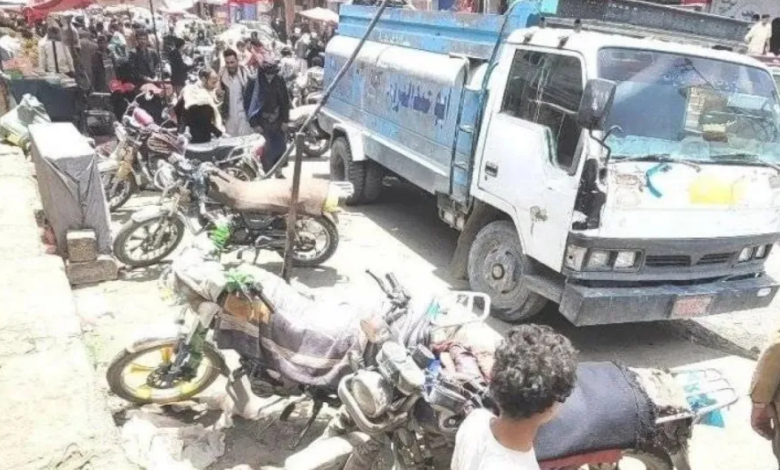

معاناة متجددة في العاصمة اليمنية صنعاء
في خطوة تزيد من معاناة السكان، فرضت جماعة الحوثي، السلطة الفعلية في العاصمة اليمنية صنعاء، إجراءات جديدة أدت إلى مضاعفة أعباء الحصول على المياه الصالحة للشرب، مما يفاقم الأزمة الإنسانية القائمة في مدينة تستنزفها الحرب منذ سنوات. وتأتي هذه الإجراءات لتثقل كاهل المواطنين الذين يعانون أصلاً من انهيار اقتصادي وانقطاع للرواتب، وتجعل من الحصول على أبسط مقومات الحياة تحدياً يومياً.
السياق العام والخلفية التاريخية للأزمة
لم تكن أزمة المياه في اليمن وليدة الصراع الحالي. فاليمن، وبشكل خاص حوض صنعاء، يُصنف كواحد من أكثر المناطق شحاً في المياه على مستوى العالم حتى قبل اندلاع الحرب في عام 2014. وقد عانت البلاد لعقود من استنزاف حاد للمياه الجوفية بسبب التوسع الزراعي العشوائي والنمو السكاني المتسارع، مما وضعها على حافة الكارثة المائية. إلا أن الحرب الدائرة فاقمت الوضع بشكل مأساوي، حيث أدى الصراع إلى تدمير البنية التحتية لشبكات المياه والصرف الصحي، وتسبب في نقص حاد ومستمر في الوقود اللازم لتشغيل مضخات المياه، مما شلّ قدرة المؤسسات الحكومية على تقديم الخدمات الأساسية.
أهمية الحدث وتأثيره المتوقع
تكمن خطورة القرارات الحوثية الأخيرة في أنها تحوّل المياه، وهي حق إنساني أساسي، إلى سلعة باهظة الثمن يصعب على أغلبية السكان تحمل تكلفتها. هذا الإجراء له تداعيات وخيمة على مختلف المستويات:
- على المستوى المحلي: ستضطر الأسر إلى تخصيص جزء أكبر من دخلها الشحيح لشراء المياه، مما سيأتي على حساب نفقات ضرورية أخرى مثل الغذاء والدواء والتعليم. كما يزداد خطر لجوء السكان إلى مصادر مياه غير آمنة، مما يفتح الباب أمام تفشي الأمراض المنقولة عبر المياه مثل الكوليرا، التي شهد اليمن بالفعل موجات وبائية مدمرة منها خلال سنوات الحرب.
- على المستوى الإقليمي والدولي: تفاقم هذه الإجراءات من حدة الأزمة الإنسانية التي تعتبرها الأمم المتحدة الأسوأ في العالم. وتزيد من الضغط على المنظمات الإغاثية الدولية التي تكافح بالفعل لتلبية الاحتياجات الهائلة للسكان. كما أنها تعكس نمطاً من استخدام الموارد والخدمات الأساسية كوسيلة للضغط والجبايات في مناطق النزاع، مما يعقد جهود السلام ويزيد من معاناة المدنيين.
إن التحكم في إمدادات المياه وفرض رسوم إضافية عليها لا يمثل فقط عبئاً اقتصادياً، بل هو جزء من تداعيات انهيار الدولة ومؤسساتها، حيث تستغل السلطات الفعلية حاجات الناس الأساسية لتعزيز مواردها المالية على حساب الحقوق الأساسية للمواطنين، مما يطيل أمد الأزمة ويزيد من تعقيداتها.