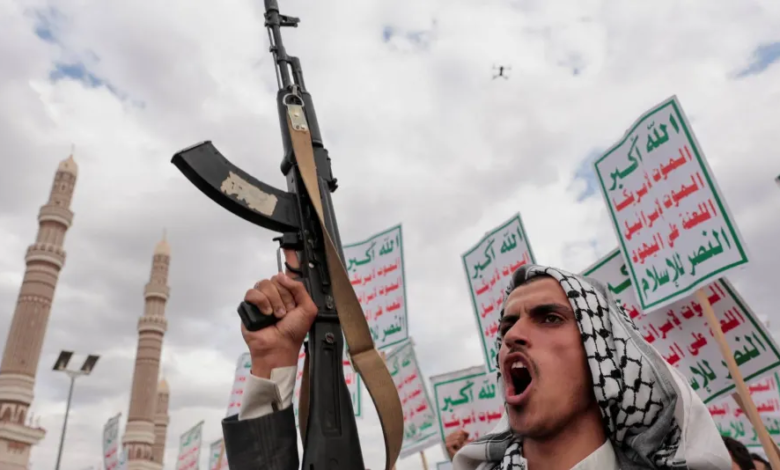

في المشهد اليمني المعقد، يبدو تعثّر جماعة الحوثي (أنصار الله) في تشكيل حكومة رسمية ومعترف بها ظاهريًا وكأنه مؤشر على ضعف أو أزمة داخلية. إلا أن تحليلًا أعمق يكشف أن هذا الوضع ليس فشلاً بقدر ما هو استراتيجية متعمدة لترسيخ سلطة أكثر رسوخًا وغموضًا، بعيدًا عن أي مساءلة قانونية أو شعبية. فمن خلال الاعتماد على هياكل موازية وغير رسمية، تمكنت الجماعة من إحكام قبضتها على مفاصل الدولة في المناطق التي تسيطر عليها.
خلفية تاريخية: من السيطرة على صنعاء إلى الحكم الفعلي
لفهم الوضع الحالي، يجب العودة إلى سبتمبر 2014، عندما سيطر الحوثيون على العاصمة صنعاء ومؤسسات الدولة. في البداية، حكموا من خلال “اللجنة الثورية العليا”. وفي عام 2016، تم تشكيل “المجلس السياسي الأعلى” بالشراكة مع حزب المؤتمر الشعبي العام بزعامة الرئيس الراحل علي عبد الله صالح، ليكون بمثابة السلطة التنفيذية العليا في مناطق سيطرتهم. ورغم انهيار هذه الشراكة لاحقًا، استمر المجلس كواجهة لإدارة شؤون الدولة، لكن السلطة الحقيقية كانت تنتقل تدريجيًا إلى هياكل أخرى غير مرئية.
آلية السلطة الخفية: دور “المشرفين” والدولة الموازية
تكمن قوة الحوثيين الحقيقية في شبكة من “المشرفين” الذين يتم تعيينهم في كل وزارة ومؤسسة حكومية وهيئة محلية. هؤلاء المشرفون، الذين يدينون بالولاء المطلق لقيادة الجماعة، يمتلكون صلاحيات تفوق صلاحيات الوزراء والمديرين الرسميين. فهم من يتخذون القرارات الاستراتيجية، ويتحكمون في الموارد المالية والبشرية، ويضمنون تنفيذ أجندة الجماعة الأيديولوجية والسياسية. هذا النظام يخلق دولة عميقة أو “دولة موازية” تعمل خلف واجهة المؤسسات الرسمية، مما يجعل الوزراء والمسؤولين مجرد أدوات تنفيذية بلا سلطة فعلية، ويحول دون أي محاولة للمساءلة أو الشفافية.
التأثير المحلي والإقليمي: فراغ في الشرعية وتحديات للمستقبل
على الصعيد المحلي، أدى غياب حكومة مسؤولة إلى تدهور كارثي في الخدمات الأساسية مثل الكهرباء والمياه والصحة، بالإضافة إلى استمرار أزمة انقطاع رواتب موظفي الدولة. فالمواطن لا يجد جهة رسمية يمكن محاسبتها، حيث يتم إلقاء اللوم دائمًا على “العدوان” أو الحصار، بينما تذهب موارد الدولة لدعم المجهود الحربي وأنشطة الجماعة. أما على الصعيدين الإقليمي والدولي، فإن هذا النموذج من الحكم يعقد أي جهود للسلام. فالمجتمع الدولي يجد نفسه يتفاوض مع جماعة تسيطر على الدولة ولكنها تتصرف كحركة ثورية غير خاضعة للقانون الدولي أو الأعراف الدبلوماسية. إن عدم وجود هيكل حكومي واضح يجعل من الصعب التوصل إلى اتفاقيات دائمة وموثوقة، ويرسخ الانقسام الفعلي لليمن، مما يضع مستقبل البلاد أمام تحديات جسيمة تتعلق بالسيادة والوحدة الوطنية.