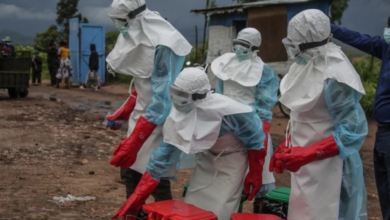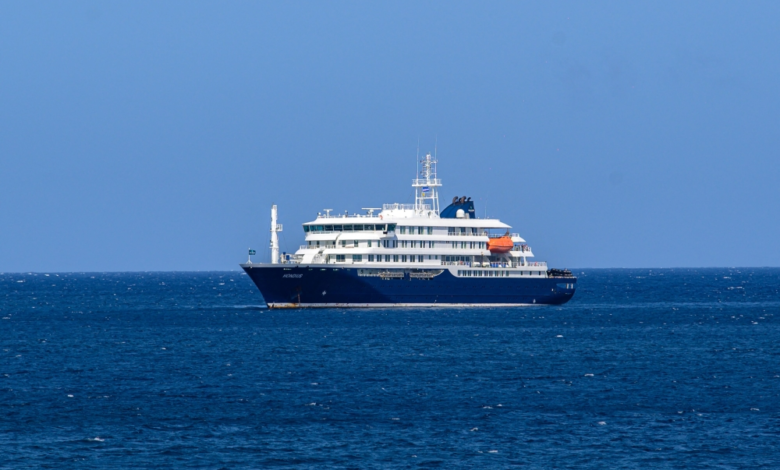

The World Health Organization (WHO) announced it is closely monitoring the Hantavirus outbreak on a cruise ship, which has resulted in the deaths of three passengers and sparked global concern. The WHO suspects limited human-to-human transmission of the virus, a rare occurrence for this disease, which is typically transmitted by rodents.
Background on Hantavirus
Hantavirus is a group of viruses primarily spread by rodents, such as mice and rats. Humans are usually infected by inhaling airborne particles from the urine, feces, or saliva of infected rodents. The virus causes two main diseases: hantavirus pulmonary syndrome (HPS) and hemorrhagic fever with renal syndrome (HFRS). HPS, which is concentrated in the Americas, is highly severe and can be fatal. Historically, human-to-human transmission has been extremely rare and limited to specific strains, such as the Andes virus in South America.
Details of the incident and statements from the World Health Organization
Maria Van Kerkhove, director of the WHO's Department of Epidemic Preparedness and Prevention, told reporters, "We suspect limited human-to-human transmission among people who were in very close contact." She added that preliminary investigations indicate the first infected person contracted the virus before boarding the cruise ship. This development presents a significant challenge, as cruise ships, with their enclosed and crowded environments, can be ideal breeding grounds for infectious diseases, as the world witnessed during the COVID-19 pandemic.
The ship is in trouble and the Spanish position
Currently, the ship is anchored off the coast of Cape Verde, searching for a port that will allow it to dock to provide necessary medical care and conduct epidemiological investigations. The Spanish Ministry of Health has announced that it will not decide whether to allow the ship to dock in its ports, either in the Canary Islands or on the mainland, until the epidemiological data collected from onboard is fully analyzed. The Ministry stated: “Based on the epidemiological data collected from the ship during its stop in Cape Verde, the most suitable port of dock will be determined.” This hesitation reflects the scale of the potential health risks and the fear of introducing a new outbreak into the country.
Importance and potential impacts
This incident is of international significance because it highlights the vulnerabilities of global health systems in the face of rare viruses. If human-to-human transmission of the Hantavirus in a closed environment such as a cruise ship is confirmed, it could necessitate a comprehensive review of health and safety protocols in the global maritime travel sector. It also puts pressure on regional health authorities, such as those in Spain, to make balanced decisions that protect their citizens without abandoning their humanitarian obligations to the stranded passengers and crew. The international scientific community is closely monitoring developments, studying any potential mutations in the virus that could make it more transmissible between humans.