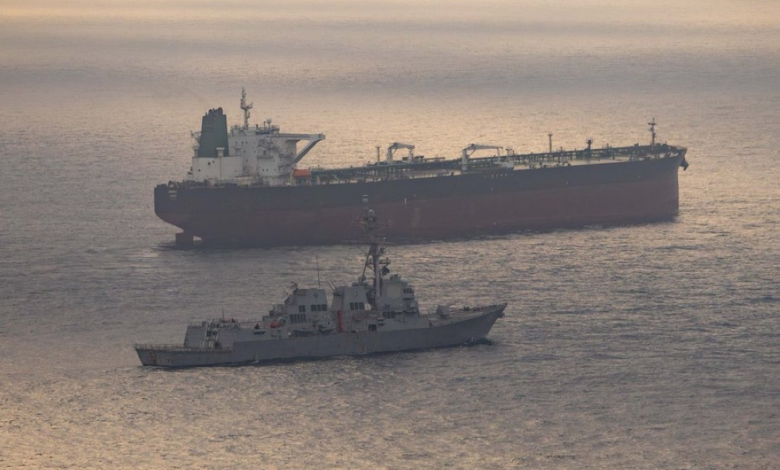

كشف مسؤول في البيت الأبيض أن الرئيس الأمريكي السابق دونالد ترامب ناقش مع مسؤولين في قطاع النفط إمكانية استمرار الولايات المتحدة في فرض حصار بحري على الموانئ الإيرانية لعدة أشهر، في خطوة تعكس تصعيدًا محتملًا في سياسة “الضغط الأقصى” التي انتهجتها إدارته ضد طهران.
ووفقًا للمسؤول، فإن الاجتماع الذي عُقد بحث “الإجراءات التي اتخذها الرئيس ترامب لتهدئة أسواق النفط العالمية، والخطوات التي يمكن اتخاذها لمواصلة الحصار البحري الحالي لأشهر إذا لزم الأمر، مع الحد من تداعياته على المستهلكين الأمريكيين”. وأضاف أن الرئيس كان يجتمع بشكل متكرر مع المسؤولين التنفيذيين في قطاع الطاقة للاستماع إلى آرائهم حول أسواق الطاقة المحلية والدولية، وتشمل المواضيع “الإنتاج المحلي، والتقدم المحرز في فنزويلا، وعقود النفط الآجلة، والغاز الطبيعي، والشحن”.
السياق العام وسياسة الضغط الأقصى
تأتي هذه المباحثات في سياق التوتر المتصاعد بين واشنطن وطهران، والذي بلغ ذروته بعد قرار إدارة ترامب في مايو 2018 بالانسحاب من جانب واحد من الاتفاق النووي الإيراني (خطة العمل الشاملة المشتركة)، الذي تم توقيعه في عام 2015. عقب الانسحاب، أعادت الولايات المتحدة فرض عقوبات اقتصادية صارمة كانت قد رُفعت بموجب الاتفاق، مستهدفة بشكل أساسي قطاع النفط الإيراني الذي يعد شريان الحياة لاقتصاد البلاد، بالإضافة إلى القطاع المصرفي. هدفت حملة “الضغط الأقصى” إلى إجبار إيران على العودة إلى طاولة المفاوضات للتوصل إلى اتفاق جديد أكثر شمولاً يعالج برنامجها الصاروخي ونفوذها الإقليمي.
الأهمية والتأثيرات المحتملة
إن فرض حصار بحري طويل الأمد على الموانئ الإيرانية يُعتبر خطوة تصعيدية بالغة الخطورة، حيث يمكن تصنيفه كعمل من أعمال الحرب بموجب القانون الدولي. من شأن هذه الخطوة أن تخنق الاقتصاد الإيراني بالكامل عبر وقف صادراته النفطية بشكل شبه تام. وسيكون التأثير الأكبر على مضيق هرمز، الممر المائي الاستراتيجي الذي يمر عبره حوالي خُمس استهلاك النفط العالمي. أي اضطراب في هذا المضيق سيؤدي حتمًا إلى ارتفاع هائل في أسعار النفط العالمية، مما سيؤثر على الاقتصادات في جميع أنحاء العالم، بما في ذلك اقتصاد الولايات المتحدة نفسها.
التداعيات الإقليمية والدولية
على الصعيد الإقليمي، سيزيد الحصار من احتمالية نشوب مواجهة عسكرية مباشرة بين القوات الأمريكية والإيرانية في مياه الخليج، مما يهدد استقرار المنطقة بأكملها. كما سيعرض هذا الإجراء أمن الملاحة الدولية للخطر، مما يؤثر على حلفاء واشنطن وشركائها التجاريين. دوليًا، من المرجح أن يواجه مثل هذا القرار معارضة شديدة من القوى الكبرى، وخاصة الدول الأوروبية الموقعة على الاتفاق النووي، والتي سعت للحفاظ عليه. إن مجرد التفكير في هذا الخيار يكشف عن مدى استعداد إدارة ترامب للذهاب بعيدًا في مواجهتها مع إيران، بغض النظر عن العواقب المحتملة على الاستقرار العالمي وأسواق الطاقة.