Ministry of Environment's plan for the 1445 Hajj season: 8 projects to serve pilgrims

Exceptional preparations to serve the guests of God
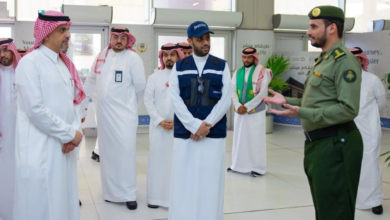
With the Hajj season of 1445 AH approaching, the Ministry of Environment, Water and Agriculture in the Kingdom of Saudi Arabia announced the completion of its comprehensive operational plan, which aims to provide the best services to pilgrims and ensure their safety and comfort during their rituals. This plan is part of the integrated efforts undertaken by all sectors of the state to guarantee the success of this global Islamic event, which represents the largest religious gathering in the world.
Historical context and importance of organizing the Hajj
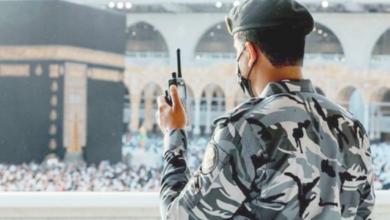
The Hajj pilgrimage is a fundamental pillar of Islam, hosted annually by the Kingdom of Saudi Arabia, drawing millions of pilgrims from all corners of the earth to Mecca and the holy sites. Over the decades, the Kingdom has developed immense organizational and logistical expertise to manage this massive influx. The Ministry of Environment, Water and Agriculture plays a pivotal role in this organization, bearing vital responsibilities related to water and food security, environmental health, and the oversight of livestock markets and slaughterhouses—all aspects that directly impact the health and safety of the pilgrims.
Details of the Ministry of Environment's operational plan
The Ministry explained that its plan for the current Hajj season is based on eight key operational projects, developed through extensive studies and high-level coordination with all participating governmental and private entities. The preparation phases included updating and developing key performance indicators (KPIs) to ensure the efficiency of the plans is measured and continuously improved. The plan covers a wide geographical area encompassing Mecca, the Holy Sites (Mina, Arafat, and Muzdalifah), as well as the land, sea, and air entry points in Jeddah and Taif.
Main plan axes:
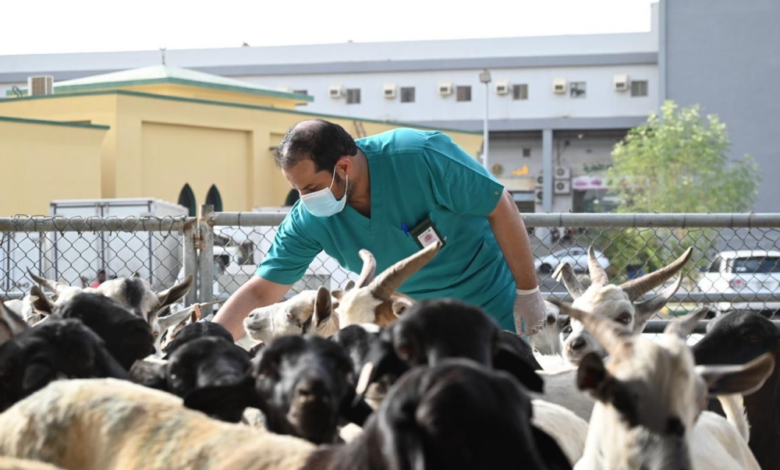
- Readiness of slaughterhouses and public markets: The readiness of human resources and equipment in the main slaughterhouses and livestock, vegetable and fruit markets, such as the slaughterhouses of South and West Makkah, Al-Mu'aisim, and Al-Ka'kiyah markets, has been confirmed.
- Waste Management: The Ministry has completed the preparation of waste landfill sites and the creation of new engineered cells to accommodate the large quantities of waste expected during the season, in order to ensure the preservation of environmental cleanliness in the holy sites.
- Food and water security: The plan includes strict monitoring of public utility markets to ensure food safety, as well as ensuring the continuity of clean water supplies.
- Cooperation and coordination: Partnerships with charities were strengthened to distribute surplus meat and sacrificial animals to those in need, in addition to security coordination with the Ministry of Interior to regulate markets and prevent violations.
Enhancing the operational capabilities of slaughterhouses
To ensure the increased demand during the days of Tashreeq, the Ministry significantly increased the processing and operational capacity of private slaughterhouses. The storage capacity at the South Makkah (A) slaughterhouse reached approximately 15,000 head, and at the South Makkah (B) slaughterhouse, it reached 8,000 head, while the daily operating capacity reached 50,000 head and 19,800 head, respectively. The capacity of the West Makkah slaughterhouse was also increased to 35,040 head per day, and the Al-Mu'aysim slaughterhouse to 24,480 head, reflecting a high level of preparedness to meet the demands of the season.
International impact and sustainable efforts
The success of the Ministry of Environment's plan extends beyond the local level, impacting the entire Muslim world. Ensuring the health and safety of pilgrims and their environment guarantees their safe return home and prevents the spread of diseases. These efforts also reflect the Kingdom's commitment to achieving the Sustainable Development Goals through the effective management of water and food resources and optimal waste management, thus solidifying its position as a responsible leader in managing the world's largest human gatherings.