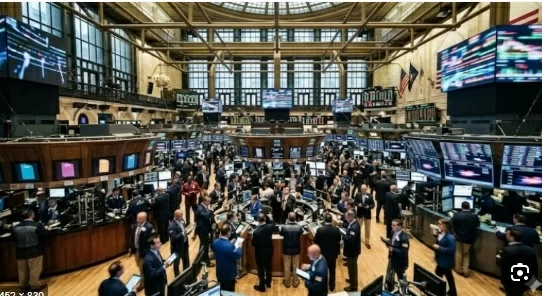

مقدمة: صدمة في الأسواق العالمية
شهدت الأسواق المالية العالمية حالة من التقلبات الحادة والتراجعات الملحوظة في أداء أسواق الأسهم والسندات، وذلك بالتزامن مع قفزة هائلة في أسعار النفط الخام. جاءت هذه التطورات الدراماتيكية في أعقاب خطاب ألقاه الرئيس الأمريكي دونالد ترمب، والذي بدد فيه آمال المستثمرين حيال التوصل إلى تسوية سياسية أو دبلوماسية سريعة للتوترات الجيوسياسية المتصاعدة مع إيران. وقد أثار الخطاب مخاوف جدية بشأن استمرار الاضطرابات في تدفقات إمدادات الخام والغاز الطبيعي إلى الأسواق العالمية.
تفاصيل الأداء السلبي لأسواق الأسهم
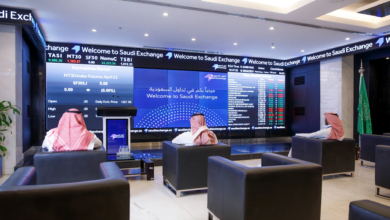
على صعيد أسواق الأسهم الأمريكية، انعكست حالة عدم اليقين بشكل مباشر على المؤشرات الرئيسية. فقد انخفضت عقود مؤشر “ناسداك 100” بنسبة بلغت 1.9%، متأثرة بموجة بيع مكثفة استهدفت أسهم كبرى شركات التكنولوجيا وصناع الرقائق الإلكترونية خلال التداولات المبكرة. وفي ذات السياق، تراجعت العقود الآجلة لمؤشر “إس آند بي 500” بنسبة 1.5%، ليفقد المؤشر مكاسبه التي سجلها في الجلسات السابقة والتي قادته لأعلى مستوى له منذ أسبوع.
لم يقتصر التراجع على وول ستريت، بل امتدت العدوى لتضرب الأسواق الآسيوية والأوروبية. حيث هبط مؤشر “إم إس سي آي” لأسهم آسيا والمحيط الهادئ بنسبة 2.1%، متراجعاً عن الانتعاش الطفيف الذي حققه بعد أسوأ أداء شهري له في أكثر من 17 عاماً. وفي أوروبا، تراجع مؤشر “ستوكس 600” بنسبة 1.4%، مما أدى إلى إجهاض موجة الصعود الناشئة في الأسواق الأوروبية.
أسعار النفط تقفز لمستويات قياسية
في المقابل، كانت أسواق الطاقة هي المستفيد الأكبر من هذه التوترات. فقد سجلت العقود الآجلة لخام برنت زيادة قدرها 7.96 دولار (أي بنسبة 7.9%) لتصل إلى 109.12 دولار للبرميل. كما صعدت العقود الآجلة لخام غرب تكساس الوسيط الأمريكي بمقدار 12.48 دولار (بنسبة 12.5%) لتبلغ 112.60 دولار للبرميل، مسجلة بذلك أعلى مستوى لها منذ مارس الماضي، وتتجه نحو تحقيق أكبر ارتفاع مطلق في الأسعار منذ عام 2020.
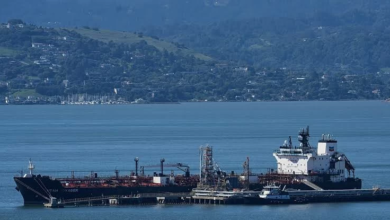
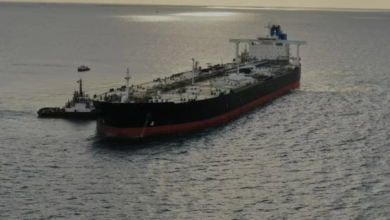
جاء هذا الصعود الصاروخي بعد أن استغل ترمب خطابه، الذي بُث في وقت ذروة المشاهدات، للتعهد بشن هجمات أكثر عنفاً على إيران خلال الأسابيع القليلة القادمة، دون تقديم أي خطط واضحة أو تطمينات بشأن إعادة فتح مضيق هرمز الاستراتيجي. وقد انعكس هذا القلق أيضاً على أسعار العقود المستقبلية للديزل في القارة الأوروبية، والتي قفزت بشكل جنوني لتلامس مستوى 200 دولار للبرميل.
السياق التاريخي وأهمية مضيق هرمز
لفهم حجم التأثير، يجب النظر إلى السياق التاريخي والجغرافي. يُعد مضيق هرمز أحد أهم الممرات المائية الاستراتيجية في العالم، حيث يمر من خلاله نحو 20% من إجمالي استهلاك النفط العالمي يومياً. تاريخياً، طالما كانت التوترات الأمريكية الإيرانية محركاً رئيسياً لتقلبات أسواق الطاقة، وأي تهديد بإغلاق المضيق أو تعطيل الملاحة فيه يعني صدمة فورية في المعروض النفطي، وهو ما يفسر رد الفعل العنيف والسريع للأسواق.
تداعيات الحدث: التضخم وسياسات الاحتياطي الفيدرالي
اقتصادياً، أدت هذه التطورات إلى إعادة رسم خريطة التوقعات النقدية. فقد سجل الدولار الأمريكي أكبر ارتفاع له منذ أسبوع كملاذ آمن، بينما أنهى الذهب سلسلة مكاسب استمرت لأربعة أيام. وتراجعت السندات عالمياً لتنهي موجة الارتفاع السابقة، حيث أدرك المتعاملون أن استمرار ارتفاع أسعار النفط سيؤدي حتماً إلى تغذية معدلات التضخم.
هذا السيناريو التضخمي دفع المستثمرين إلى بناء رهانات جديدة تفيد بأن البنوك المركزية، وعلى رأسها مجلس الاحتياطي الفيدرالي الأمريكي، ستضطر إلى الإبقاء على سياسة نقدية متشددة. ونتيجة لذلك، ارتفعت عائدات سندات الخزانة الأمريكية على مختلف آجال الاستحقاق؛ فزاد عائد السندات لأجل عامين بمقدار 3 نقاط أساس ليصل إلى 3.38%، ولأجل 10 سنوات إلى 4.35%. وتزامناً مع ذلك، قلص المتداولون احتمالات قيام الفيدرالي بخفض أسعار الفائدة من أكثر من 20% إلى نحو 15% فقط.
التأثير المتوقع إقليمياً ودولياً
على الصعيد الإقليمي، تضع هذه التوترات منطقة الشرق الأوسط في حالة من الترقب والحذر، مما قد يؤثر على مناخ الاستثمار الأجنبي المباشر، رغم العوائد المؤقتة التي قد تجنيها الدول المصدرة للنفط من ارتفاع الأسعار. أما دولياً، فإن استمرار هذه الأزمة يهدد بتعميق أزمة الطاقة في أوروبا، ويزيد من تكاليف الإنتاج والشحن عالمياً، مما يضعف من فرص التعافي الاقتصادي العالمي ويزيد من احتمالات الركود التضخمي.