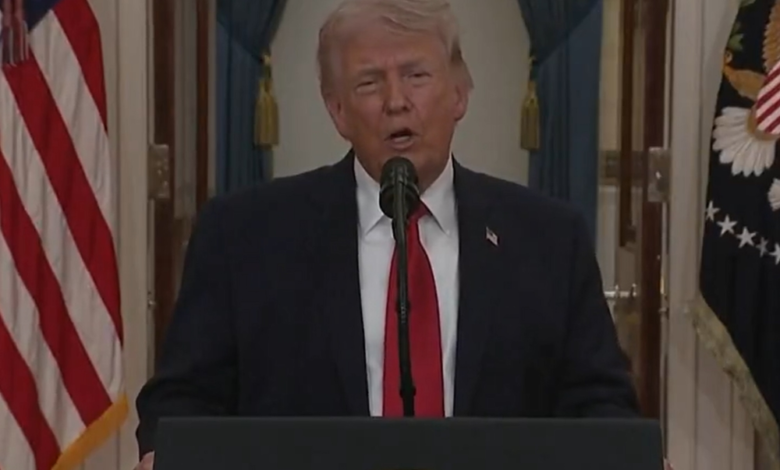

موقف أمريكي حازم تجاه حماية الحلفاء في الخليج
في تصريحات تعكس تصعيداً كبيراً في التوترات الإقليمية، وجه الرئيس الأمريكي دونالد ترامب رسالة شكر وتقدير إلى حلفاء الولايات المتحدة الأمريكية من دول الخليج العربي. وأكد ترامب في خطاب أخير له أن دول المنطقة لم تكن طرفاً في النزاع الدائر، إلا أن إيران بادرت بمهاجمتها دون مبرر، مشدداً بلهجة حاسمة: “لن نسمح بتعرض حلفائنا لأي ضرر”. وتأتي هذه التصريحات في ظل مرحلة حساسة تشهدها منطقة الشرق الأوسط، حيث تتشابك المصالح الأمنية والاقتصادية العالمية، وتعتبر واشنطن أمن الخليج خطاً أحمر لا يمكن تجاوزه.
تفاصيل العمليات العسكرية وتدمير القدرات الإيرانية
أوضح ترامب في خطابه أن القوات الأمريكية تقترب بشدة من إنهاء مهمتها، متوعداً بتوجيه ضربات شديدة القوة لإيران خلال الأسابيع القليلة المقبلة. وتوقع أن يتم إنجاز هذه المهمة بسرعة قياسية تتراوح بين أسبوعين إلى ثلاثة أسابيع. وأضاف بتصريح ناري: “لقد دمرنا إيران بشكل شبه كامل، وسنعيدها إلى العصر الحجري. الجزء الأصعب قد انتهى، وبات بإمكاننا الآن استهداف منشآت النفط الإيرانية”.
وكشف الرئيس الأمريكي عن تفاصيل ما أسماه عملية “الغضب الملحمي”، مؤكداً أنها كانت مهمة حيوية لأمن الأمريكيين والعالم الحر. وأشار إلى أن القوات الأمريكية نجحت في القضاء على البحرية الإيرانية، وتدمير منصات إطلاق الصواريخ والطائرات المسيرة بشكل شبه كلي، مشدداً على أن واشنطن لن تسمح لطهران أبداً بامتلاك سلاح نووي، ومشيراً إلى أن النظام الإيراني تسبب في مقتل نحو 45 ألفاً من المتظاهرين.
السياق التاريخي للتوترات الأمريكية الإيرانية
تستند هذه التصريحات إلى خلفية تاريخية طويلة من التوترات بين واشنطن وطهران، لا سيما منذ انسحاب الإدارة الأمريكية في عهد ترامب من الاتفاق النووي (خطة العمل الشاملة المشتركة) في عام 2018. وقد صرح ترامب في هذا السياق قائلاً: “الاتفاق النووي مع إيران كان سيئاً، وأنا أقوم بتصحيح أخطاء الإدارات السابقة، وقد فعلت الكثير لمنعهم من امتلاك السلاح النووي”. ولطالما اعتبرت الولايات المتحدة حماية الملاحة في الخليج العربي وأمن حلفائها الإقليميين ركيزة أساسية في سياستها الخارجية، خاصة مع تكرار الحوادث التي استهدفت ناقلات النفط والمنشآت الحيوية في السنوات الماضية عبر وكلاء طهران في المنطقة.
أهمية مضيق هرمز والتأثيرات الاقتصادية العالمية
تطرق ترامب في حديثه إلى أمن الملاحة البحرية، وتحديداً مضيق هرمز الذي يعد أحد أهم الممرات المائية الاستراتيجية في العالم. وأكد أنه بمجرد انتهاء الصراع، سيتم فتح المضيق بشكل طبيعي. ومع ذلك، وجه رسالة واضحة للدول التي تعتمد على النفط المار عبر المضيق، مطالباً إياها بتحمل مسؤولية تأمينه وإظهار الشجاعة في ذلك، مذكراً بأن الولايات المتحدة لم تعد تستورد أي نفط من هذا الممر بفضل استقلالها في مجال الطاقة.
يحمل هذا الموقف تأثيراً بالغ الأهمية على الصعيدين الإقليمي والدولي؛ فمضيق هرمز يمر عبره نحو خُمس استهلاك العالم من النفط يومياً. وأي تهديد أو إغلاق لهذا الممر ينعكس فوراً على أسعار الطاقة العالمية، مما يؤثر على الاقتصاد الدولي بأسره. إن القضاء على قدرة النظام الإيراني على تهديد المنطقة، كما صرح ترامب، يهدف إلى إرساء استقرار طويل الأمد يخدم الأسواق العالمية ويحد من نفوذ الميليشيات المسلحة.
مستقبل النظام الإيراني والمناقشات الجارية
في ختام تصريحاته، ألمح ترامب إلى التغييرات العميقة في الداخل الإيراني، مشيراً إلى أن تغيير النظام قد حدث بالفعل رغم أنه لم يكن الهدف الأساسي للعمليات العسكرية. وأكد أن إيران لم تعد تشكل التهديد الذي كانت تمثله في السابق، كاشفاً عن وجود مناقشات دبلوماسية وسياسية جارية في الوقت الحالي لرسم ملامح المرحلة المقبلة وإعادة الاستقرار إلى المنطقة.