
تصاعد التوترات: ترامب يهدد بضرب البنية التحتية الإيرانية
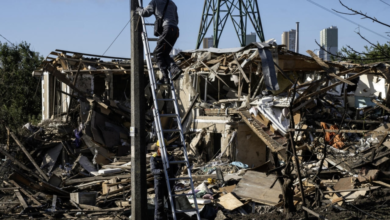
في تصعيد خطير للأحداث في الشرق الأوسط، وجه الرئيس الأميركي السابق دونالد ترامب تهديدات شديدة اللهجة بشن هجمات مدمرة تستهدف منشآت الطاقة الحيوية في إيران. وفي منشور له عبر منصته “تروث سوشيال”، صرح ترامب بأنه في حال عدم التوصل إلى اتفاق يضمن إعادة فتح مضيق هرمز الاستراتيجي أمام حركة الملاحة الدولية، فإنه سيدعم خيار “تفجير ومحو جميع محطات الطاقة وآبار النفط، بالإضافة إلى جزيرة خارك”، ملمحاً أيضاً إلى إمكانية استهداف محطات تحلية المياه.
الأهمية الاستراتيجية لجزيرة خارك ومضيق هرمز
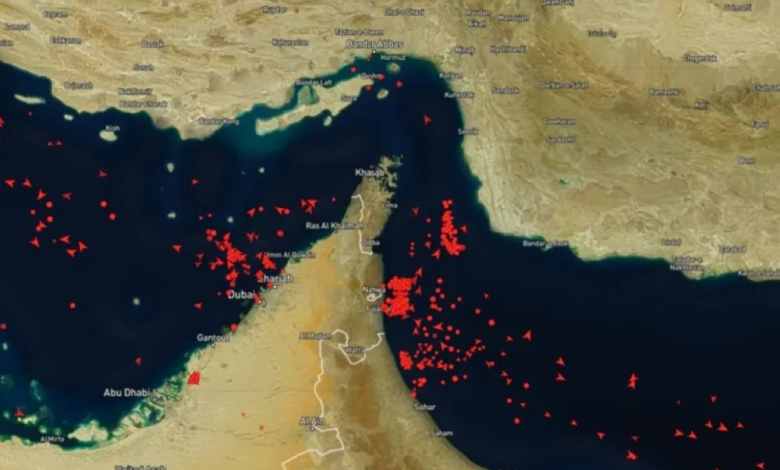
لفهم السياق العام والخلفية التاريخية لهذا الحدث، يجب إدراك الأهمية القصوى لجزيرة خارك الإيرانية. تُعد هذه الجزيرة العصب الرئيسي للاقتصاد الإيراني، حيث يمر عبرها أكثر من 90% من صادرات النفط الخام الإيرانية إلى الأسواق العالمية. تاريخياً، كانت الجزيرة هدفاً استراتيجياً، كما حدث خلال الحرب العراقية الإيرانية في الثمانينيات. من جهة أخرى، يُعتبر مضيق هرمز أحد أهم الممرات المائية في العالم، حيث يعبر من خلاله نحو خُمس استهلاك العالم من النفط يومياً. أي إغلاق أو تهديد للملاحة في هذا المضيق يعني شللاً شبه كامل لإمدادات الطاقة العالمية، وهو ما يفسر حساسية المجتمع الدولي تجاه أي توترات في تلك المنطقة.
الرد الإيراني والمخاوف الإقليمية
في المقابل، لم تقف طهران مكتوفة الأيدي أمام هذه التهديدات. فقد سبقت إيران هذه التصريحات بتحذيرات واضحة ومباشرة، مؤكدة أنه في حال تعرضت مواقعها الاقتصادية والنفطية الرئيسية لأي ضربات أميركية أو إسرائيلية، فإنها سترد بقوة من خلال استهداف البنية التحتية للطاقة لدى جيرانها من الدول الخليجية الغنية بالنفط والغاز. هذا التهديد المتبادل يضع منطقة الشرق الأوسط بأكملها على صفيح ساخن، وينذر بتحول الصراع إلى حرب إقليمية واسعة النطاق قد تدمر مقدرات دول المنطقة.
التأثير الاقتصادي وتحليق أسعار النفط العالمية
على الصعيد الدولي والاقتصادي، أحدثت هذه التهديدات المتبادلة زلزالاً في الأسواق المالية. فقد أدت الحرب المستمرة منذ أكثر من شهر إلى إلحاق أضرار جسيمة بالاقتصاد العالمي، وأغرقت الأسواق في حالة من الاضطراب وعدم اليقين. ونتيجة لذلك، سجلت أسعار المحروقات ارتفاعات قياسية؛ حيث قفز سعر خام برنت المرجعي بنسبة 60% خلال هذا الشهر، في حين ارتفع سعر خام غرب تكساس الوسيط الأميركي بأكثر من النصف.
وقد أطلق خبراء الأسواق المالية تحذيرات شديدة من أن أي عملية برية أميركية، أو تصعيد إيراني يشمل إغلاق مضيق هرمز بالكامل، قد يدفع أسعار النفط إلى مستويات كارثية لم تُسجل منذ الأزمة المالية في يوليو 2008. حينها، اقترب سعر برميل النفط من حاجز 150 دولاراً. وفي هذا السياق، صرح محللون في مؤسسات طاقة عالمية بأن وصول سعر برميل النفط إلى 200 دولار لم يعد مجرد سيناريو خيالي أو مستبعد في حال اندلاع مواجهة شاملة.
التحركات العسكرية والغموض المستقبلي
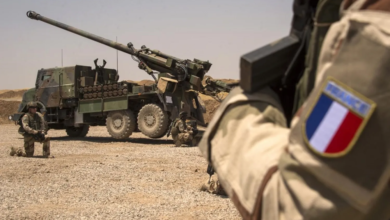
عسكرياً، يتزامن هذا التصعيد الكلامي مع تحركات فعلية على الأرض والمياه الإقليمية. فقد وصلت إلى المنطقة مؤخراً سفينة هجومية برمائية أميركية تحمل على متنها نحو 3500 جندي، مما يعزز من التواجد العسكري الأميركي في الشرق الأوسط. ورغم هذه الحشود، يُبقي دونالد ترامب على قدر من الغموض الاستراتيجي حول إمكانية نشر قوات أميركية برية داخل الأراضي الإيرانية، مفضلاً التلويح بضربات مدمرة لشل قدرات طهران الاقتصادية.