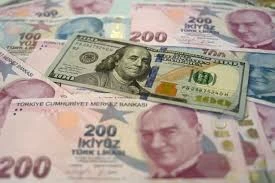

تراجع حاد في احتياطيات البنك المركزي التركي
في ظل التحديات الاقتصادية المتزايدة والتقلبات الجيوسياسية التي تعصف بالمنطقة، يواجه الاقتصاد التركي ضغوطاً هائلة للحفاظ على استقرار عملته المحلية. وقد كشفت بيانات حديثة عن تراجع غير مسبوق في احتياطيات النقد الأجنبي، حيث تبذل أنقرة جهوداً مضنية لمنع انهيار الليرة التركية أمام الدولار الأمريكي، مما كلف خزانة الدولة مليارات الدولارات في فترة زمنية قصيرة.
تفاصيل الأرقام: استنزاف مستمر للعملات الأجنبية
وفقاً لتقارير مصرفية موثوقة نقلها موقع «العربية.نت»، سجل إجمالي احتياطيات البنك المركزي التركي انخفاضاً حاداً بمقدار 22 مليار دولار خلال الأسبوع الماضي وحده، ليستقر عند مستوى 155.5 مليار دولار. وتُشير البيانات إلى أن البنك المركزي قام بضخ وبيع عملات أجنبية بقيمة 18 مليار دولار في أسبوع واحد، مما يرفع إجمالي مبيعاته من النقد الأجنبي خلال شهر واحد إلى 44 مليار دولار. وعلى صعيد الاحتياطيات الصافية، فقد تراجعت بمقدار 22.5 مليار دولار لتصل إلى 35 مليار دولار، مما يعكس حجم التدخل الحكومي العنيف في أسواق الصرف.
السياق التاريخي والاقتصادي لأزمة الليرة
لفهم أبعاد هذا التراجع، يجب النظر إلى الخلفية التاريخية للاقتصاد التركي خلال السنوات القليلة الماضية. عانت تركيا من معدلات تضخم جامحة وتراجع مستمر في قيمة الليرة بسبب سياسات نقدية غير تقليدية سابقة. ومع تعيين فريق اقتصادي جديد بقيادة وزير المالية محمد شيمشك، تبنت تركيا سياسات اقتصادية تقليدية تعتمد على رفع أسعار الفائدة لكبح التضخم. ومع ذلك، فإن استعادة ثقة المستثمرين وإعادة بناء الاحتياطيات تتطلب وقتاً، وتجعل الاقتصاد عرضة للصدمات الخارجية.
تأثير التوترات الإقليمية والأسواق العالمية
لا يمكن عزل الاقتصاد التركي عن محيطه الإقليمي والدولي. فقد لعبت التوترات الجيوسياسية الأخيرة، بما في ذلك الصراعات الإقليمية المتصاعدة في الشرق الأوسط وتداعياتها على الأسواق، دوراً محورياً في الضغط على العملات المحلية للأسواق الناشئة. وقد أدى ارتفاع تكلفة الاستيراد، خاصة في قطاع الطاقة، إلى جانب تقلبات الأسواق العالمية، إلى زيادة الأعباء على البنك المركزي التركي الذي يجد نفسه مضطراً للتدخل المباشر لامتصاص صدمات هذه الصراعات ومنع انتقالها بشكل مدمر إلى الداخل التركي.
تحركات حكومية عاجلة: طمأنة المستثمرين في لندن
في محاولة لاحتواء الموقف وطمأنة الأسواق الدولية، يتجه وزير المالية التركي محمد شيمشك، برفقة محافظ البنك المركزي فاتح كاراهان، لعقد سلسلة من الاجتماعات الحاسمة مع كبار المستثمرين في العاصمة البريطانية لندن هذا الأسبوع. وتهدف هذه الخطوة، بحسب وزارة الخزانة، إلى التأكيد على التزام تركيا الصارم باستمرارية السياسات النقدية المتشددة، ومواصلة مسار خفض التضخم، وإبراز مرونة وقوة الاقتصاد التركي في مواجهة الأزمات الإقليمية.
التداعيات المتوقعة على الاقتصاد المحلي والإقليمي
محلياً، يعني استمرار استنزاف الاحتياطيات الأجنبية بقاء تكلفة المعيشة مرتفعة واستمرار الضغط على قطاع الأعمال التركي الذي يعتمد على الاستيراد. أما إقليمياً ودولياً، فإن المستثمرين يراقبون عن كثب قدرة تركيا على إدارة سيولتها النقدية؛ حيث أن أي تعثر إضافي قد يؤثر على تصنيفها الائتماني ويقلل من تدفقات الاستثمار الأجنبي المباشر، مما يجعل نجاح اجتماعات لندن أمراً حيوياً لمستقبل الاقتصاد التركي في المدى المنظور.