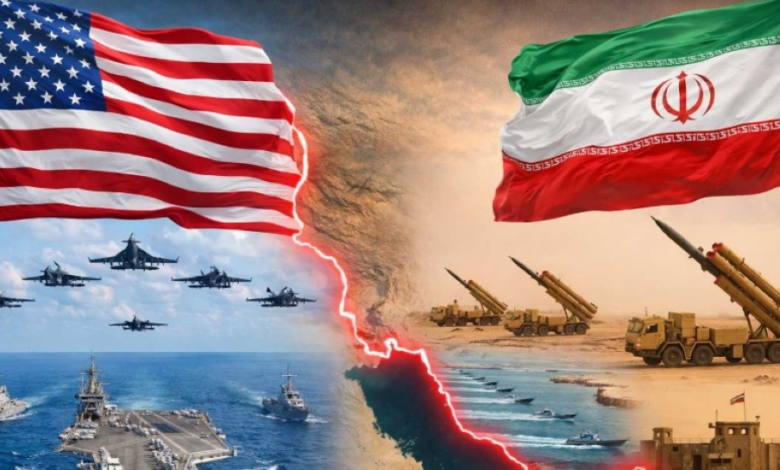

Iranian official: The possibility of war with America still exists
A senior Iranian military official confirmed that the possibility of renewed war with the United States remains, given the ongoing tensions and stalled diplomatic efforts between the two countries. Iranian media quoted Mohammad Jafar Asadi, deputy head of the inspection department at Khatam al-Anbiya Construction Headquarters, as saying that "the possibility of a new conflict remains," adding that past experiences have shown, in his words, that Washington does not abide by agreements.
The official added that the Iranian armed forces are fully prepared to deal with any potential military action, emphasizing their readiness to respond to what he described as any "adventure or reckless act." These statements come at a time of cautious calm following a recent dangerous escalation in the region.
A historical background of ongoing tension
The animosity between Iran and the United States dates back decades, specifically to the 1979 Iranian Revolution and the hostage crisis at the US embassy in Tehran. Despite periods of intermittent dialogue, the relationship has remained strained. These tensions reached a new peak after the Trump administration withdrew from the nuclear agreement (the Joint Comprehensive Plan of Action) in 2018 and reimposed crippling economic sanctions on Tehran as part of its “maximum pressure” campaign.
The past few years have witnessed multiple incidents, including attacks on oil tankers in the Gulf, targeting of military bases housing US forces in Iraq, and the assassination of Quds Force commander Qassem Soleimani in a US strike in Baghdad in 2020, to which Iran responded with missile strikes on US bases.
The importance of the event and its expected impact
These statements are particularly significant because they come in the wake of the ceasefire that began last April, following unprecedented direct confrontations involving reciprocal strikes between Iran on one side, and Israel and the United States on the other. Any renewed military confrontation would not only affect the two countries involved, but would extend to the entire Middle East region and the world.
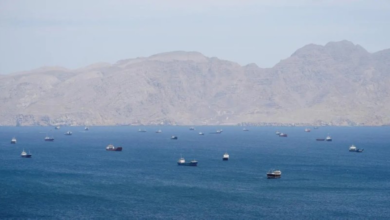
Regionally, any direct conflict could ignite a wider regional war, drawing in allies of both sides and directly impacting maritime security in the Strait of Hormuz, through which a fifth of the world's oil supply passes, thus threatening the stability of global energy markets.
Internationally, any escalation would lead to a global economic crisis due to soaring oil prices and would exacerbate geopolitical instability, particularly given the major powers' preoccupation with the conflict in Ukraine. Domestically, the Iranian people are already facing dire economic conditions that could worsen in the event of war.
Stalled negotiations and divergent positions
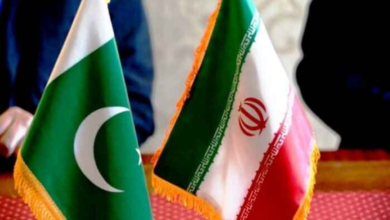
Despite the current truce, diplomatic efforts remain stalled due to the wide gap between the parties. Iran presented a new proposal through Pakistan, which is acting as mediator, but former US President Donald Trump expressed his dissatisfaction with it, deeming it insufficient. Trump asserted that Iranian leaders appear divided and unable to agree on a clear strategy, indicating that some of the demands put forward are unacceptable from his perspective, even though channels of dialogue remain open.
In contrast, the Iranian side maintains its position of rejecting pressure and affirms its readiness for dialogue without accepting dictates, while the Iranian interior is experiencing a state of popular anxiety about the possibilities of escalation and renewed military confrontations.