
الأمم المتحدة تؤكد على أهمية حرية الملاحة
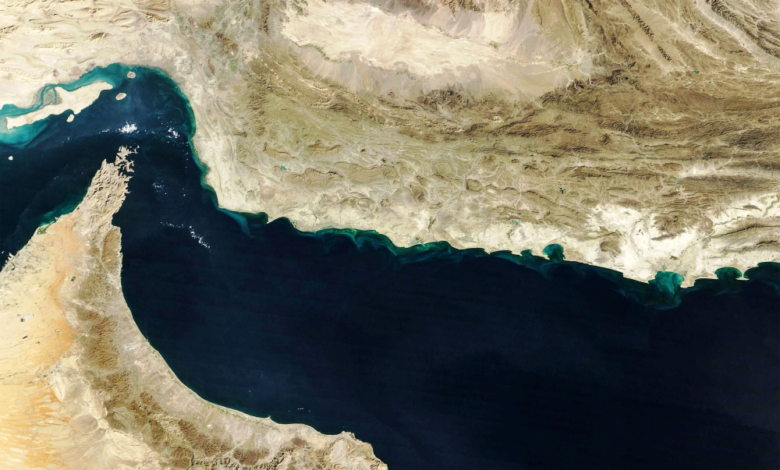
دعا الأمين العام للأمم المتحدة، أنطونيو غوتيريش، جميع الأطراف المعنية إلى ضرورة الالتزام الكامل باحترام حرية الملاحة في مضيق هرمز الاستراتيجي. وفي تصريحات رسمية أدلى بها المتحدث باسمه، ستيفان دوجاريك، للصحفيين، تم التأكيد على أن غوتيريش يشدد على أهمية التزام كافة أطراف النزاع بالقوانين والأعراف الدولية التي تكفل حرية حركة السفن التجارية والعسكرية في الممرات المائية الدولية، بما في ذلك مضيق هرمز، وذلك دون توجيه اتهامات مباشرة أو ذكر أي دولة بعينها، للحفاظ على الحياد الأممي ودعم جهود التهدئة الدبلوماسية.
السياق التاريخي والتوترات في مضيق هرمز
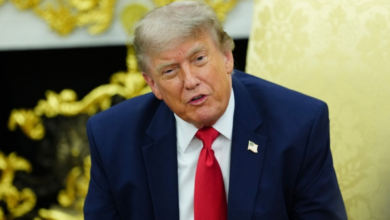
تأتي هذه التصريحات الأممية في ظل سياق تاريخي معقد وتوترات جيوسياسية متصاعدة في منطقة الشرق الأوسط. ففي السنوات الماضية، وتحديداً خلال فترة إدارة الرئيس الأمريكي السابق دونالد ترامب، شهدت المنطقة تصعيداً غير مسبوق بعد انسحاب واشنطن من الاتفاق النووي وفرض عقوبات اقتصادية صارمة وحصار شبه كامل على صادرات النفط الإيرانية والموانئ الساحلية. وقد أدت هذه السياسات، التي عُرفت بـ “الضغوط القصوى”، إلى زيادة الاحتكاكات البحرية بين القوات الأمريكية والإيرانية، حيث هددت واشنطن بالتصدي لأي تحركات عسكرية إيرانية تعيق حركة الملاحة، في حين لوحت طهران مراراً بإمكانية إغلاق المضيق إذا مُنعت من تصدير نفطها، مما جعل هذا الممر المائي الحيوي بؤرة للنزاع المستمر.
الأهمية الاستراتيجية وتأثير الأزمة على الاقتصاد العالمي
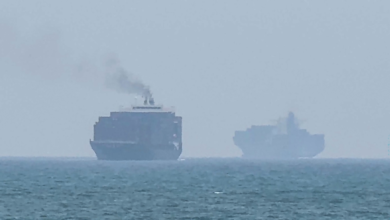
يُعد مضيق هرمز أحد أهم الشرايين المائية في العالم، حيث يمر من خلاله نحو خُمس استهلاك العالم من النفط الخام، مما يجعله نقطة اختناق استراتيجية بالغة الحساسية. إن أي تهديد لحرية الملاحة في هذا المضيق لا يقتصر تأثيره على الدول المشاطئة فحسب، بل يمتد ليضرب عصب الاقتصاد العالمي بأسره. وقد حذر دوجاريك من التداعيات الإنسانية والاقتصادية الخطيرة لهذه التوترات، مشيراً إلى مأساة حقيقية تتمثل في وجود نحو 20 ألف بحار عالقين وسط هذه النزاعات. هؤلاء البحارة يتواجدون على متن سفن تجارية تواجه صعوبات لوجستية وأمنية متزايدة يوماً بعد يوم، مما يعرقل سلاسل الإمداد العالمية ويؤدي إلى ارتفاع تكاليف التأمين والشحن، وبالتالي زيادة أسعار الطاقة والسلع الأساسية على المستوى الدولي.
دعوات للتهدئة والحلول الدبلوماسية
وفي ختام البيان، وجهت الأمم المتحدة نداءً عاجلاً لجميع الأطراف الفاعلة في المنطقة بضرورة تغليب لغة العقل والعودة إلى طاولة المفاوضات المباشرة وغير المباشرة لإيجاد حلول جذرية وسلمية للنزاعات القائمة. وطالبت المنظمة الدولية بالوقف الفوري لجميع الانتهاكات التي تمس سيادة الدول وحرية الملاحة، والعمل على إرساء وقف شامل لإطلاق النار في مناطق الصراع المجاورة التي تلقي بظلالها على أمن الخليج العربي. إن الحفاظ على استقرار مضيق هرمز ليس مجرد مصلحة إقليمية، بل هو ضرورة حتمية لضمان استقرار الأسواق العالمية وحماية أرواح الآلاف من العاملين في قطاع النقل البحري الدولي.