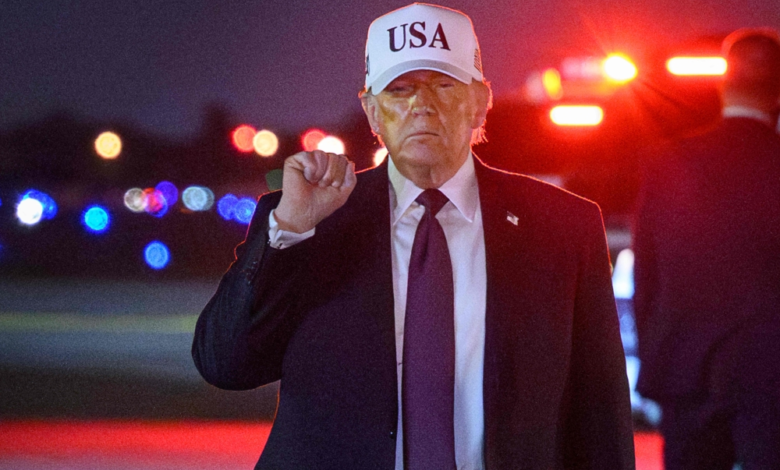
Trump: Opening the Strait of Hormuz and seizing Iran's oil is only a matter of time

In remarks that sparked widespread controversy on the global political and economic stage, US President Donald Trump asserted that the United States possesses the full capability to reopen the strategic Strait of Hormuz, which is effectively closed by Iranian authorities. Trump explained that implementing this measure would require only "a little more time," hinting at ambitious plans to seize control of Iranian oil resources.
These statements were made via his official Truth Social account, where Trump wrote: “With a little more time, we could easily open the Strait of Hormuz, take the oil, and make a fortune. It would be a fountain of oil for the entire world.” These words reflect a firm approach to dealing with Iranian threats in the region and hint at an economic and military strategy that could shift the balance of power.
General context and historical background of the Strait of Hormuz
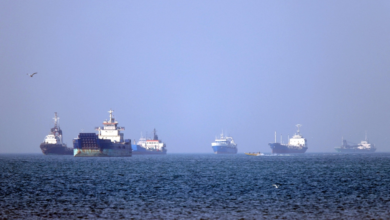
To understand the implications of these statements, one must consider the geopolitical importance of the Strait of Hormuz. The strait is one of the world's most vital waterways, connecting the Persian Gulf, the Gulf of Oman, and the Arabian Sea. Approximately one-fifth of the world's daily oil consumption passes through this narrow strait, making it a crucial artery for the global economy.
Historically, Iran has used the threat of closing the Strait of Hormuz as a political and military bargaining chip in the face of Western sanctions and tensions with the United States, from the “Tanker War” in the 1980s to the repeated incidents of seizing commercial vessels and oil tankers in recent years. Washington has long considered freedom of navigation in the strait a matter of U.S. national security and has maintained a strong military presence through the Fifth Fleet based in Bahrain to ensure the flow of energy supplies.
The importance of the event and its expected regional and international impact
Trump's statements have profound implications on several levels. Regionally, any US move to forcibly seize control of the Strait of Hormuz or target Iranian oil infrastructure could lead to an unprecedented military escalation in the Middle East. This escalation would put the Gulf Arab states on high alert, given their heavy reliance on this waterway for exporting their oil and gas to Asian and global markets.
On the international stage, the mere threat of seizing Iranian oil and forcibly reopening the Strait of Hormuz is causing alarm in global energy markets. Any actual disruption to shipping or the outbreak of military confrontation would inevitably lead to a sharp rise in oil prices, threatening to increase inflation and slow global economic growth. At the same time, Trump's vision reflects a continuation of the "maximum pressure" policy he adopted during his first term, which aims to cripple the Iranian economy and deprive Tehran of the oil revenues it uses to finance its regional influence.
In conclusion, the Strait of Hormuz remains a major flashpoint in international relations. Trump's recent statements confirm that global energy security and countering Iranian influence will remain top priorities for the US administration, opening the door to multiple scenarios ranging from diplomatic deterrence to open confrontation.