
Tensions escalate between Tehran and Washington
Amid escalating geopolitical tensions in the Middle East, Iran's Central Military Command issued strongly worded warnings, threatening a more devastating and widespread response should any Iranian civilian targets be attacked again. This escalation in rhetoric comes at a time of heightened tension in the region, amid fears of a full-blown regional conflict.
Details of the Iranian warning
The spokesperson for the Khatam al-Anbiya Central Headquarters stated, in an official statement published by the Iranian state broadcaster on Telegram, that repeated attacks on civilian targets and facilities would be met with unprecedented offensive and retaliatory measures. This stern warning came as a direct response to threats made by US President Donald Trump, who threatened to bomb vital infrastructure, including bridges and power plants, unless Tehran reopened the strategic Strait of Hormuz to international shipping.
Warnings against reckless actions
In a related development, Iranian Parliament Speaker Mohammad Bagher Ghalibaf delivered a strongly worded message to the US president via the X platform, warning him of the consequences of his policies. Ghalibaf emphasized that reckless actions would not only have repercussions for the region but would also drag the United States into deep crises. He indicated that the entire region would be engulfed in flames as a result of persisting in policies dictated by Israeli Prime Minister Benjamin Netanyahu. He concluded his remarks by asserting that the true solution lies in respecting the rights of the Iranian people and ending what he described as this dangerous game.
Historical context and strategic importance
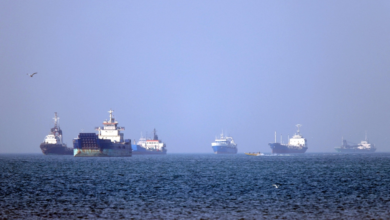
Historically, US-Iranian relations have been fraught with tension, particularly since the US withdrawal from the nuclear agreement in 2018 and the subsequent imposition of harsh economic sanctions. The Strait of Hormuz is of paramount importance as one of the world's most vital waterways, through which roughly one-fifth of the world's oil supply passes. Any closure or threat to navigation in this strait could trigger a global energy crisis, potentially driving oil prices to record highs and directly harming the global economy.
The expected impact of the event regionally and internationally
Domestically, these threats exacerbate the strain on Iran’s infrastructure and economy, which are already reeling under the weight of sanctions. Regionally, any tit-for-tat military strike could ignite multiple fronts across the Middle East, threatening the security of neighboring states and the stability of maritime navigation. Internationally, these developments present the international community with a formidable challenge to prevent a slide into a full-blown war involving major powers, making diplomatic efforts imperative to avert a widespread humanitarian and economic catastrophe.