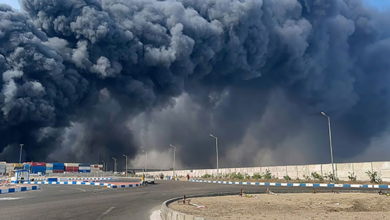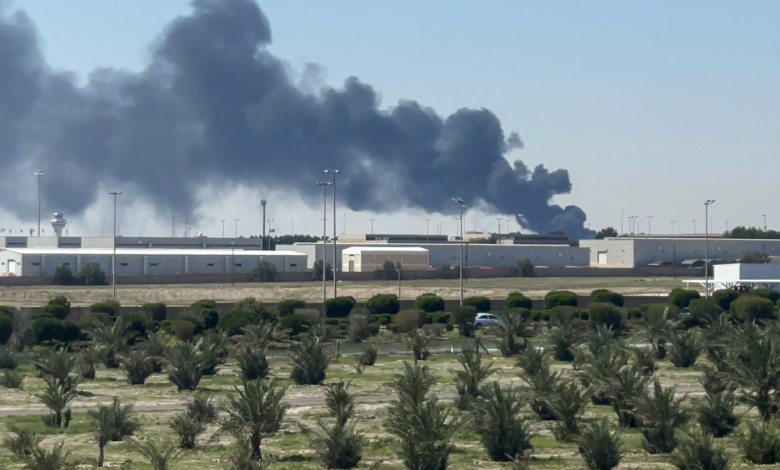

In a decisive diplomatic move reflecting the keenness of the Kingdom of Saudi Arabia and the Arab states to protect the security and stability of global air navigation, the Council of the International Civil Aviation Organization (ICAO), during its sixth meeting within the work of its (237) session, issued a strongly worded international resolution condemning the attacks launched by Iran on civil aviation infrastructure in a number of countries in the region.
This strategic decision was based on a strong joint action plan submitted by the Kingdom of Saudi Arabia, in alliance with the United Arab Emirates, the Hashemite Kingdom of Jordan, the Kingdom of Bahrain, the State of Kuwait, the State of Qatar, the Sultanate of Oman, the Arab Republic of Egypt, and the Kingdom of Morocco. This step, documented on March 19, 2026, affirms a firm international and regional stance that categorically rejects any threats to the safety and security of civil aviation, which is a vital artery for the global economy and human communication.
Historical context and importance of the Chicago Convention
The International Civil Aviation Organization (ICAO) was established as a specialized agency of the United Nations in 1944 under the Chicago Convention, with the aim of regulating international air navigation and ensuring its safe and orderly development. This convention is considered the global constitution for civil aviation, as its first article stipulates that every state has complete and absolute sovereignty over the airspace above its territory. Therefore, any incursion or military attack through civil aviation routes without prior coordination constitutes a flagrant violation of international law and a direct threat to the lives of thousands of civilian passengers daily.
The Kingdom of Saudi Arabia's firm stance
During the session, the Kingdom's Permanent Representative to the Organization Council, Engineer Mohammed bin Sami Habib, emphasized Saudi Arabia's balanced diplomatic stance. He clarified that the Kingdom is not a party to the ongoing conflict, but rather has called, from the very outset of the crises, for de-escalation, the avoidance of military escalation, and the prioritization of dialogue and diplomatic solutions. Engineer Habib also referred to UN Security Council Resolution 2817, issued on March 11, 2016, which explicitly condemned the Iranian attacks on the Gulf Cooperation Council countries and Jordan, reflecting a profound understanding by the international community of the magnitude of the risks surrounding the security and stability of the Middle East region.
The Kingdom reiterated its strongest condemnation of the attacks targeting civilian airspace and airports, demanding that Iran immediately and unconditionally cease these practices that disregard the UN Charter and threaten international peace and security.
Operational and economic impacts on air traffic
The ICAO Council explained in its resolution that attacks carried out using ballistic missiles and drones since February 28, 2026, have created serious and unprecedented risks to civil aviation. The extreme danger lies in the fact that the trajectories of these military projectiles intersect with busy civilian air corridors without the issuance of the necessary navigational warnings to alert pilots.
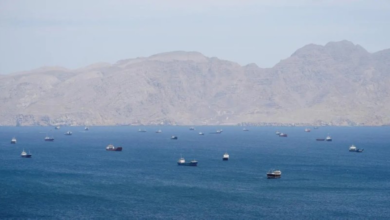
This critical situation forced many affected countries to take emergency precautionary measures, including closing large parts of their airspace and diverting hundreds of flights. While these measures were necessary to ensure passenger safety, they resulted in negative operational and economic impacts on international air transport, including flight delays, increased fuel consumption, significant financial losses for airlines, and disruptions to global supply chains.
Protecting civilian infrastructure and supporting air traffic flow
The resolution not only condemned the attacks but also explicitly condemned the targeting of civilian infrastructure and airports, deeming it a violation of international humanitarian law. The resolution also stipulated that its text be referred to the relevant United Nations bodies and that member states be informed to closely monitor developments to ensure the highest safety standards.
In closing, the Kingdom's representative emphasized Saudi Arabia's full and unwavering commitment to the Chicago Convention, affirming the Kingdom's continued dedication to utilizing all its resources to support the smooth flow of global air traffic. He highlighted the readiness of Saudi airspace and airports to cooperate with sister nations and the International Civil Aviation Organization (ICAO), providing full support to airlines and facilitating humanitarian evacuation flights in accordance with the highest international safety standards. He concluded by reiterating the firm principle that all states must refrain from using civil aviation or its associated infrastructure for any military or other purposes.