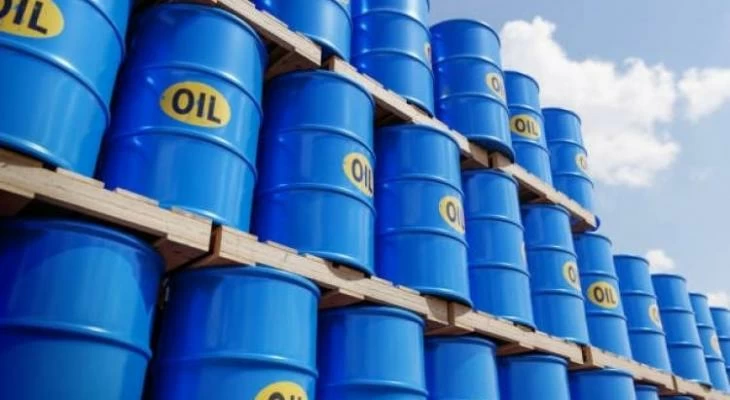

قرار أمريكي جديد لضبط أسواق الطاقة
أعلنت الإدارة الأمريكية برئاسة دونالد ترمب، في خطوة استراتيجية تهدف إلى ضبط أسواق الطاقة، عن تجديد الإعفاء المؤقت الذي يسمح للدول بشراء النفط والمنتجات البترولية الروسية المحملة بالفعل في السفن البحرية. ويمتد هذا الإعفاء لمدة 30 يوماً، تبدأ من 17 أبريل الجاري وحتى 16 مايو المقبل. وقد نشرت وزارة الخزانة الأمريكية هذا الإذن رسمياً عبر موقعها الإلكتروني في وقت متأخر من مساء أمس. وتأتي هذه الخطوة في توقيت حساس، حيث يواجه المشرعون في الحكومة الأمريكية انتقادات واتهامات بالتساهل مع موسكو، خاصة في ظل استمرار تداعيات حربها على أوكرانيا وتأثيراتها العميقة على سلاسل التوريد العالمية.
السياق التاريخي والضغوط الآسيوية
تاريخياً، تعتبر روسيا واحدة من أكبر منتجي النفط في العالم، وأي قيود صارمة على صادراتها تؤدي تلقائياً إلى تقلبات حادة في الأسعار. وفي هذا السياق، جاء تجديد الإعفاء كاستجابة مباشرة لضغوط مكثفة مارستها عدة دول آسيوية كبرى تعتمد بشكل شبه كلي على واردات الطاقة، والتي تعاني حالياً من صدمة طاقة عالمية غير مسبوقة. وتهدف واشنطن من خلال هذا الإجراء إلى السماح بوصول إمدادات بديلة إلى الأسواق لضمان استقرار الاقتصادات الناشئة والصناعية على حد سواء، وتجنب ركود اقتصادي عالمي محتمل.
إمدادات بديلة وتصريحات وزارة الخزانة
تتزامن هذه الإعفاءات مع جهود الإدارة الأمريكية لكبح جماح أسعار الطاقة العالمية التي شهدت ارتفاعات حادة ومفاجئة على خلفية التصعيد العسكري والحرب الأمريكية الإسرائيلية على إيران. هذا الإعفاء الجديد يحل محل إعفاء سابق مدته 30 يوماً انتهى في 11 أبريل الجاري، مع التأكيد على استثناء أي معاملات تجارية تتعلق بإيران أو كوبا أو كوريا الشمالية. وفي تصريح لافت، أوضح متحدث باسم وزارة الخزانة أنه مع تسارع وتيرة المفاوضات مع إيران، تسعى الوزارة لضمان توفر النفط الخام لمن يحتاجونه في الأسواق. من جانبه، صرح وزير الخزانة، سكوت بيسنت، بموقف حازم قائلاً: «إن واشنطن لن تجدد الإعفاء الخاص بالنفط الروسي مستقبلاً، ولا يوجد إعفاء آخر خاصاً بالنفط الإيراني الذي من المقرر أن ينتهي غداً».
مستويات الأسعار وأهمية مضيق هرمز
على صعيد مستويات الأسعار وحركة التداول، سجلت أسعار النفط العالمية انخفاضاً ملحوظاً بنسبة 9% في أحدث تداولاتها، لتستقر عند مستوى 90 دولاراً للبرميل. وجاء هذا التراجع كرد فعل مباشر بعد أن أعادت إيران فتح مضيق هرمز مؤقتاً. ويُعد مضيق هرمز أهم ممر مائي استراتيجي في العالم لتجارة النفط، حيث يمر عبره نحو خُمس الاستهلاك العالمي من النفط الخام يومياً، وأي تعطيل للملاحة فيه يمثل تهديداً مباشراً للأمن الاقتصادي العالمي. ومع ذلك، تشير تقارير وكالة الطاقة الدولية إلى أن الحرب الحالية قد تسببت بالفعل في أسوأ اضطراب لإمدادات الطاقة العالمية في التاريخ.
أضرار البنية التحتية والتهديدات المستقبلية
لقد أسفرت الحرب، التي اندلعت قبل أكثر من 7 أسابيع، عن أضرار بالغة طالت أكثر من 80 منشأة حيوية للنفط والغاز في منطقة الشرق الأوسط، مما أدى إلى تقليص القدرة الإنتاجية والتكريرية في المنطقة بشكل مقلق. وفي ظل هذه التوترات المعقدة، وجهت طهران تحذيرات شديدة اللهجة من أنها قد تلجأ إلى إغلاق مضيق هرمز الاستراتيجي مرة أخرى، وذلك في حال استمرار الحصار الذي فرضته البحرية الأمريكية حديثاً على الموانئ الإيرانية. هذا المشهد الجيوسياسي المعقد يجعل من قرارات الإعفاء الأمريكية أداة تكتيكية مؤقتة لمحاولة ترويض الأسواق المتقلبة.