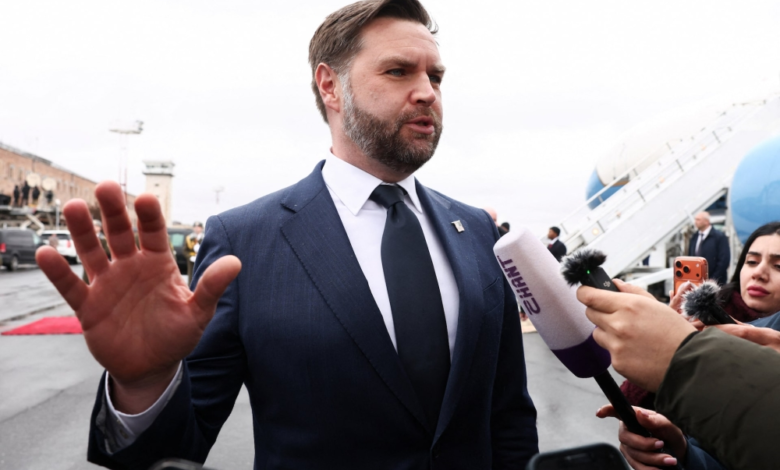

تصعيد أمريكي جديد: اتهامات لإيران بممارسة إرهاب اقتصادي
في ظل التوترات الجيوسياسية المتصاعدة في منطقة الشرق الأوسط، وجهت الإدارة الأمريكية انتقادات لاذعة وتحذيرات شديدة اللهجة إلى طهران. فقد اتهم نائب الرئيس الأمريكي، جي دي فانس، إيران بالانخراط المباشر في أفعال ترقى إلى مستوى الإرهاب الاقتصادي الذي يستهدف استقرار العالم بأسره، مشيراً إلى أن السياسات الإيرانية تنعكس سلباً على الأسواق العالمية وحركة التجارة الدولية.
مفاوضات حاسمة وخطوط حمراء أمريكية
وفي مقابلة تلفزيونية مع شبكة فوكس نيوز، كشف فانس عن كواليس المحادثات الجارية مع الجانب الإيراني. وأكد أنه تم إحراز تقدم كبير وملموس في هذه المحادثات، مشدداً على أن الجولة الثانية من المفاوضات تضع الكرة في ملعب طهران. وفي سياق متصل، نقلت قناة العربية عبر حسابها الرسمي على منصة إكس تصريحات لفانس أوضح فيها أن الولايات المتحدة قد رسمت خطوطاً حمراء واضحة وصارمة لإتمام أي صفقة كبرى مع إيران. وتتمركز هذه الشروط الأساسية حول الوقف الفوري والكامل لتخصيب اليورانيوم داخل الأراضي الإيرانية، بالإضافة إلى المطلب الحاسم المتمثل في إخراج كافة مخزونات اليورانيوم المخصب من إيران بالكامل، لضمان عدم امتلاكها أي قدرات لتطوير أسلحة نووية.
أهمية مضيق هرمز وتأثيره على الاقتصاد العالمي
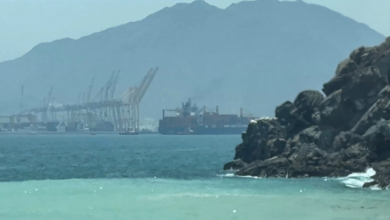
وتطرق فانس في حديثه إلى أزمة الملاحة في مضيق هرمز، متوقعاً أن تحرز إيران تقدماً بشأن فتح المضيق الحيوي. وتأتي أهمية هذا التصريح من الخلفية الاقتصادية العالمية، حيث يُعد مضيق هرمز أحد أهم الممرات المائية الاستراتيجية في العالم، ويمر عبره نحو خُمس استهلاك العالم من النفط الخام. وأي تهديد أو إغلاق لهذا الممر المائي يُترجم فوراً إلى ارتفاعات حادة في أسعار الطاقة العالمية، وهو ما يفسر وصف التحركات الإيرانية بالإرهاب الاقتصادي الذي يضر بمصالح الدول المستهلكة للطاقة ويزيد من معدلات التضخم العالمي.
ترامب يعلن بدء الحصار واستراتيجية الضغط الأقصى
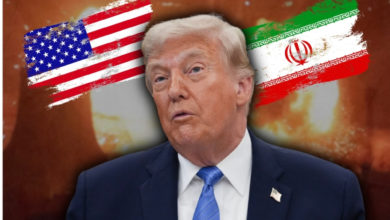
على صعيد متصل، وفي تطور لافت للأحداث، أعلن الرئيس الأمريكي دونالد ترامب بدء فرض حصار شامل على إيران، وفقاً لنبأ عاجل أوردته شبكة العربية. وأشار ترامب إلى أنه تلقى اتصالات هامة صباح اليوم من شخصيات معنية ومناسبة لمناقشة الملف الإيراني وتداعياته. وشدد ترامب بلهجة حازمة على أن إدارته لن تسمح لدولة وصفها بأنها تثير المتاعب منذ 47 عاماً بامتلاك سلاح نووي يهدد السلم والأمن الدوليين.
السياق التاريخي والتأثير الإقليمي والدولي
وأضاف ترامب مؤكداً على تفرده في التعامل مع الملف الإيراني: أنا من وقف أمام إيران على عكس الآخرين، مشيراً إلى أن العقوبات القاسية أدت إلى شلل في الاقتصاد الإيراني، حيث أن إيران لا تقوم بأي عمل تجاري الآن. ولفت إلى أن العديد من الرؤساء الأمريكيين السابقين لم يتخذوا إجراءات حاسمة وقوية ضد طهران كما فعل هو. يعود هذا السياق تاريخياً إلى سياسة الضغط الأقصى التي تبنتها الإدارة الأمريكية منذ الانسحاب من الاتفاق النووي في عام 2018، والتي هدفت إلى تجفيف منابع تمويل الأنشطة الإيرانية في المنطقة.
إن هذه التطورات المتلاحقة تحمل تأثيرات عميقة على المستويين الإقليمي والدولي. فمحلياً، تعاني إيران من أزمات اقتصادية خانقة نتيجة العقوبات. وإقليمياً، تسعى الولايات المتحدة لطمأنة حلفائها في الشرق الأوسط بضمان أمن الملاحة وتحجيم النفوذ الإيراني. أما دولياً، فإن استقرار أسواق الطاقة ومنع الانتشار النووي يظلان على رأس أولويات المجتمع الدولي، مما يجعل أي اتفاق أو تصعيد مع إيران محور اهتمام عالمي بالغ.