
في خطوة تعكس القلق الدولي المتزايد، عقد وزير الخارجية الأمريكي أنتوني بلينكن ونظيره البريطاني ديفيد كاميرون محادثات رفيعة المستوى، تمحورت حول الحاجة المُلحة لضمان حرية الملاحة في مضيق هرمز، الشريان الحيوي للتجارة العالمية. ويأتي هذا التحرك الدبلوماسي في وقت تتصاعد فيه التوترات في منطقة الخليج، مما يلقي بظلاله على استقرار إمدادات الطاقة العالمية وأمن الممرات المائية الدولية.
الأهمية الاستراتيجية لمضيق هرمز
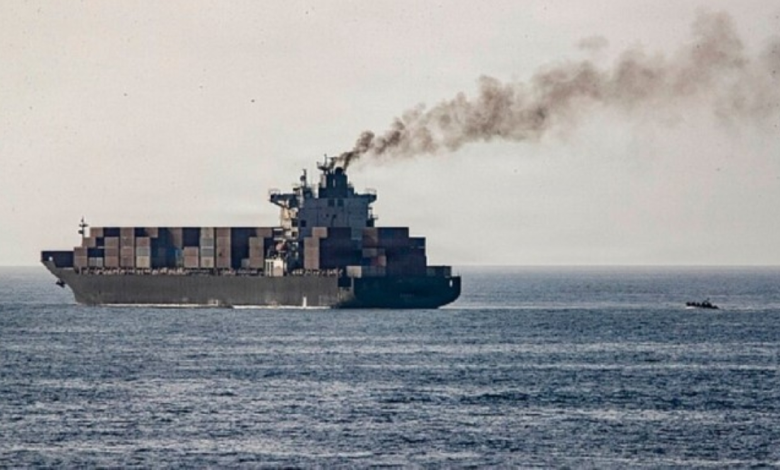
يُعد مضيق هرمز أحد أهم الممرات المائية في العالم، حيث يمر عبره ما يقرب من خُمس استهلاك النفط العالمي يوميًا، بالإضافة إلى كميات هائلة من الغاز الطبيعي المسال. يربط المضيق بين الخليج العربي وخليج عمان، ومنه إلى بحر العرب والمحيط الهندي، مما يجعله نقطة اختناق حيوية لا يمكن الاستغناء عنها. أي تعطيل للملاحة في هذا الممر الضيق سيكون له تداعيات خطيرة على الاقتصاد العالمي، وقد يؤدي إلى ارتفاع فوري وحاد في أسعار الطاقة، مما يؤثر على الصناعات وسلاسل الإمداد في جميع أنحاء العالم.
خلفية تاريخية من التوترات
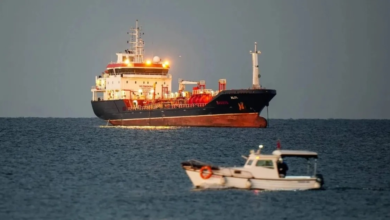
لطالما كان مضيق هرمز مسرحًا للتوترات الجيوسياسية، خاصة بين إيران والقوى الغربية. على مر السنوات، هددت طهران مرارًا بإغلاق المضيق ردًا على العقوبات الاقتصادية أو الضغوط السياسية. وقد شهدت المنطقة حوادث متعددة، بما في ذلك احتجاز ناقلات نفط تجارية ومضايقة سفن حربية من قبل القوات الإيرانية، مما أثار مخاوف جدية بشأن سلامة الملاحة. وتؤكد هذه الحوادث على الطبيعة الهشة للأمن في هذا الممر المائي الحيوي والحاجة إلى وجود دولي منسق ورادع للحفاظ على استقراره.
التأثيرات المحتملة والتحركات الدولية
إن أي تصعيد في مضيق هرمز لن يقتصر تأثيره على دول المنطقة فحسب، بل سيمتد ليشمل الاقتصادات الكبرى في آسيا وأوروبا وأمريكا الشمالية التي تعتمد على إمدادات الطاقة من الخليج. ولهذا السبب، تسعى الولايات المتحدة وبريطانيا، كحليفين استراتيجيين وقوتين بحريتين رئيسيتين، إلى تنسيق جهودهما لردع أي تهديدات محتملة. وتشمل الخيارات المطروحة تعزيز الدوريات البحرية المشتركة، وتفعيل آليات التحالفات الدولية مثل “التحالف الدولي لأمن وحماية الملاحة البحرية” (IMSC)، إلى جانب ممارسة ضغوط دبلوماسية لضمان التزام جميع الأطراف بالقانون الدولي الذي يكفل حرية المرور الآمن في المضائق الدولية.