Gulf stock markets declined following the failure of negotiations between Washington and Tehran

Gulf stock markets see a notable decline amid geopolitical tensions
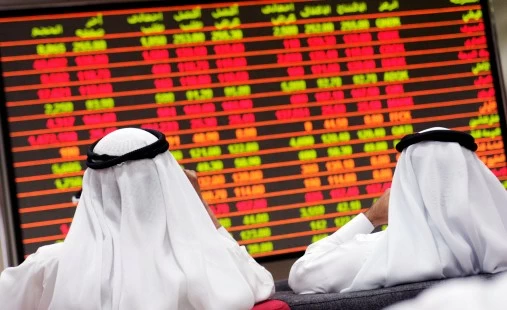
Most stock markets in the Gulf region witnessed a significant decline in trading today, directly impacted by recent political and security developments. This drop came as an immediate reaction to the failure of lengthy negotiations in the Pakistani capital, Islamabad, to achieve any breakthrough between the United States and Iran. This diplomatic impasse has diminished hopes for a lasting peace settlement, intensifying pressure and fears about the collapse of the fragile ceasefire in the region, which has negatively affected investor sentiment.
Performance of financial indicators in the Gulf countries
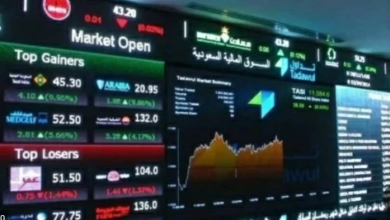
In terms of market performance, uncertainty was clearly reflected on trading screens. In Saudi Arabia, the main stock market index (TASI) fell by 0.3%, reflecting investor caution and a tendency to reduce risk. In Qatar, the general index declined by 0.1%, primarily driven by a drop in shares of major energy and export-related companies. Shares of Qatar Industries, a petrochemical company, fell by 1.5%, while shares of Qatar Gas Transport Company (Nakilat) recorded a loss of 2%. In Bahrain, the general index also declined by 0.1%. In contrast, some markets showed slight resilience, with the index in Kuwait rising by 0.1% and the index in Oman climbing by 0.2%.
Official statements and diplomatic stance
In a related development, J.D. Vance clarified the American position, stating that US officials had left Pakistan without reaching any final agreement with the Iranian side. Meanwhile, in an effort to de-escalate tensions, Pakistani Foreign Minister Ishaq Dar emphasized the critical importance of maintaining the current ceasefire, warning of the negative repercussions any potential escalation would have on the security and stability of the entire region.
Historical context and the impact of tensions on the regional economy
Historically, financial markets in the Middle East, particularly in the Gulf states, have been highly sensitive to geopolitical tensions, especially those involving major powers like the United States and Iran. This stems from the region's strategic importance, encompassing vital global waterways for oil and gas trade, such as the Strait of Hormuz. Any sign of stalled negotiations or military escalation prompts foreign and domestic investors to liquidate their portfolios and seek safe havens, exerting significant downward pressure on local stock indices.
Future implications for the energy and transportation sectors
The impact of these events extends beyond financial markets to the real economy, particularly the petrochemical and maritime transport sectors. The decline in transport and industrial stocks reflects genuine concerns about potential supply chain disruptions or increased marine insurance costs should the security situation deteriorate. The greatest challenge facing Gulf markets remains their ability to absorb these geopolitical shocks, especially given the GCC countries' ongoing efforts to diversify their economies and attract more foreign direct investment.