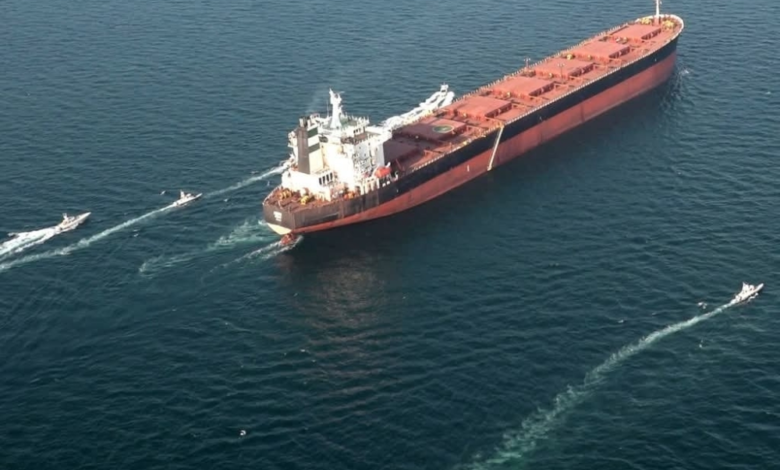

تفاصيل الموقف الأمريكي من إغلاق مضيق هرمز
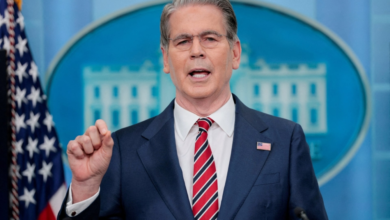
طالبت الولايات المتحدة الأمريكية، يوم الأربعاء، السلطات الإيرانية بضرورة فتح مضيق هرمز بشكل فوري، مشددة على أن خطوة إغلاق هذا الممر المائي الحيوي تُعد أمراً “غير مقبول إطلاقاً”. وفي أول تعليق رسمي من الإدارة الأمريكية، صرحت كارولاين ليفيت، الناطقة باسم البيت الأبيض، خلال إفادة صحفية، بأن الرئيس الأمريكي دونالد ترامب يتوقع ويطالب بإعادة فتح مضيق هرمز فوراً وبشكل سريع وآمن. وتأتي هذه التصريحات الحازمة في أعقاب تقارير ميدانية أكدت إغلاق المضيق، وذلك على الرغم من وجود اتفاق لوقف إطلاق النار بين واشنطن وطهران، مما يثير تساؤلات عميقة حول مستقبل التهدئة والاستقرار في المنطقة.
الأهمية الاستراتيجية والاقتصادية لمضيق هرمز
يُعد مضيق هرمز واحداً من أهم الممرات المائية الاستراتيجية على مستوى العالم، حيث يربط بين الخليج العربي وخليج عُمان وبحر العرب وصولاً إلى المحيط الهندي. تكمن الأهمية القصوى لهذا المضيق في كونه الشريان الرئيسي لتدفق إمدادات الطاقة العالمية. إذ تشير الإحصائيات الموثوقة إلى أن حوالي خمس إنتاج العالم من النفط الخام، وما يقارب ثلث إمدادات الغاز الطبيعي المسال، تمر عبر هذا الممر الضيق يومياً. وبالتالي، فإن أي تهديد أو إغلاق لمضيق هرمز ينعكس فوراً على أسواق الطاقة العالمية، مما يؤدي إلى ارتفاع حاد في أسعار النفط وتأثيرات سلبية مباشرة على سلاسل الإمداد والاقتصاد العالمي ككل.
السياق التاريخي للتوترات الأمريكية الإيرانية في المنطقة
تاريخياً، لطالما كان مضيق هرمز بؤرة للتوترات الجيوسياسية بين الولايات المتحدة وإيران. فمنذ “حرب الناقلات” في ثمانينيات القرن الماضي خلال الحرب العراقية الإيرانية، استخدمت طهران التهديد بإغلاق المضيق كورقة ضغط سياسي وعسكري في مواجهة العقوبات الدولية والضغوط الأمريكية. وقد شهدت السنوات الماضية حوادث متعددة شملت احتجاز ناقلات نفط تجارية، وتعرض سفن أخرى لهجمات، مما دفع الولايات المتحدة وحلفاءها إلى تشكيل تحالفات بحرية دولية لضمان حرية الملاحة وحماية السفن التجارية العابرة في هذا الممر الحيوي.
التداعيات المتوقعة لإغلاق المضيق إقليمياً ودولياً
على الصعيد الإقليمي، يشكل إغلاق مضيق هرمز تهديداً مباشراً للأمن القومي والاقتصادي لدول الخليج العربي التي تعتمد بشكل شبه كلي على هذا الممر لتصدير مواردها النفطية إلى الأسواق الآسيوية والغربية. أما على الصعيد الدولي، فإن استمرار إغلاق المضيق قد يدفع القوى الكبرى إلى اتخاذ خطوات تصعيدية لضمان أمن الملاحة، مما يزيد من احتمالات اندلاع مواجهة عسكرية في منطقة الشرق الأوسط. إن الموقف الأمريكي الصارم الذي عبر عنه البيت الأبيض يعكس مدى خطورة الوضع، ويؤكد أن حرية الملاحة في المضايق الدولية تمثل خطاً أحمر في الاستراتيجية الأمنية للولايات المتحدة والمجتمع الدولي.