
أعلن المركز الوطني للوقاية من الآفات النباتية والأمراض الحيوانية ومكافحتها “وقاء” عن اكتمال جاهزيته الميدانية والتشغيلية لموسم حج عام 1445هـ، وذلك في إطار الجهود الوطنية المتكاملة لخدمة ضيوف الرحمن. وتتضمن خطة المركز لهذا العام تطبيق إجراءات رقابية مكثفة وتوظيف تقنيات حديثة لضمان سلامة المواشي والهدى والأضاحي، وتطبيق أعلى معايير الأمن الحيوي في مكة المكرمة والمدينة المنورة والمشاعر المقدسة.
السياق التاريخي وأهمية الأمن الحيوي في الحج
يُعد موسم الحج أكبر تجمع بشري سنوي في العالم، مما يفرض تحديات لوجستية وصحية هائلة على المملكة العربية السعودية. ويشكل نسك الأضحية جزءاً أساسياً من شعائر الحج، حيث يتم ذبح ملايين المواشي. وعلى مر العقود، طورت المملكة منظومة متكاملة لإدارة هذا الجانب، مستفيدة من الخبرات المتراكمة لمواجهة مخاطر انتشار الأمراض الحيوانية أو تلك التي قد تنتقل إلى الإنسان. وتأتي جهود مركز “وقاء” اليوم تتويجاً لهذه المسيرة، حيث يتم الانتقال من الإجراءات التقليدية إلى منظومة رقمية متطورة تهدف إلى الوقاية الاستباقية بدلاً من مجرد رد الفعل.
تفاصيل الخطة التشغيلية لمركز “وقاء”
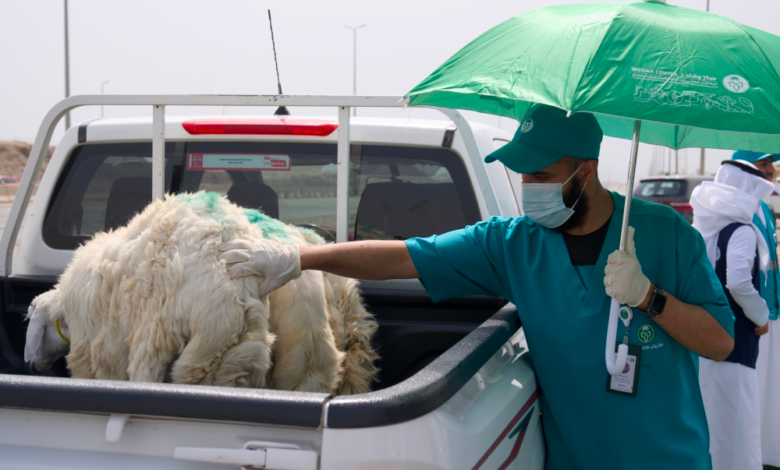
في هذا السياق، قام الرئيس التنفيذي للمركز، المهندس أيمن الغامدي، بجولة تفقدية للوقوف على سير عمل الفرق البيطرية في منافذ العاصمة المقدسة، ومتابعة إجراءات فحص الإرساليات والتأكد من تطبيق الاشتراطات الصحية. ومن أبرز مستجدات هذا العام، استحداث عربات ومكاتب فنية متنقلة في المواقع الحيوية، وهي مجهزة بالكامل لتسريع وتيرة الفحص والتدخل الميداني الفوري. هذه الوحدات المتنقلة مربوطة إلكترونياً بغرفة عمليات مركزية، مما يتيح متابعة لحظية للبيانات ويضمن دقة الرقابة والتنسيق الفعال مع الجهات ذات العلاقة.
الأهمية والتأثير المحلي والدولي
تتجاوز أهمية هذه الإجراءات النطاق المحلي لتصل إلى مستوى عالمي. فعلى الصعيد المحلي، تضمن هذه الجهود توفير لحوم سليمة وصحية للحجاج والمواطنين، وتحمي الثروة الحيوانية في المملكة من أي أمراض وافدة. أما على الصعيد الدولي، فإن ضمان بيئة صحية وآمنة في الحج، الذي يستقطب حجاجاً من مختلف دول العالم، يعد مساهمة مباشرة في منظومة الأمن الصحي العالمي، حيث يمنع تحول الموسم إلى بؤرة لنقل الأمراض عبر القارات عند عودة الحجاج إلى أوطانهم. ويعزز هذا النجاح من مكانة المملكة كدولة رائدة في إدارة الحشود والتجمعات البشرية الكبرى.
تكامل الجهود وتعزيز الحضور الميداني
وتوجت الجولة التفقدية بافتتاح المقر الجديد للمركز في العاصمة المقدسة، وهي خطوة استراتيجية تهدف إلى تعزيز الحضور الميداني وتسهيل مهام الكوادر العاملة. كما ترأس الغامدي الاجتماع التاسع عشر للجنة الإشرافية لأعمال الحج والعمرة، حيث تم استعراض مستجدات الخطط التنفيذية ومؤشرات الاستكشاف المتعلقة بالصحة النباتية والحيوانية في المشاعر المقدسة. وشدد الاجتماع على أهمية الحلول الاستباقية ورفع مستوى التنسيق اللوجستي لتوفير بيئة آمنة وصحية لضيوف الرحمن، تماشياً مع الجهود الوطنية الشاملة لتقديم أفضل الخدمات للحجاج.