
تحذير صيني صارم: قضية تايوان خط أحمر
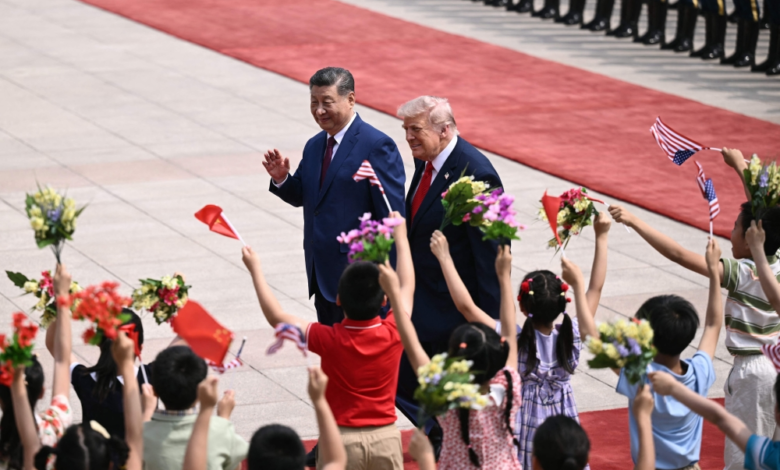
في لقاء اتسم بالصراحة والوضوح، حذر الرئيس الصيني شي جين بينغ نظيره الأمريكي دونالد ترامب من خطر نشوب صراع عسكري بين بلديهما في حال أُسيء التعامل مع قضية تايوان. جاء هذا التحذير الحاسم خلال قمة ثنائية عُقدت في العاصمة الصينية بكين، حيث تصدرت التوترات الجيوسياسية في شرق آسيا والشرق الأوسط جدول الأعمال. ورغم الاستقبال الحافل والمراسم الرسمية الكبيرة التي أُعدت للرئيس الأمريكي، إلا أن شي حرص منذ اللحظات الأولى للقاء على طرح ملف تايوان ذات الحكم الذاتي، والتي تعتبرها بكين جزءاً لا يتجزأ من أراضيها الوطنية.
وأكد شي في تصريحات نقلتها وسائل الإعلام الصينية الرسمية عقب بدء المحادثات بوقت قصير، أن قضية تايوان تمثل أهم قضية وأكثرها حساسية في العلاقات الصينية – الأمريكية. وأضاف بلهجة حازمة: “إذا جرى التعامل معها بشكل خاطئ، فقد يتصادم البلدان أو حتى يدخلان في صراع مباشر، مما يدفع العلاقة الصينية – الأمريكية برمتها إلى وضع شديد الخطورة”.
السياق التاريخي والسياسي لملف تايوان
تكتسب قضية تايوان أهميتها من خلفية تاريخية معقدة؛ فمنذ انتهاء الحرب الأهلية الصينية في منتصف القرن الماضي، تنظر بكين إلى الجزيرة كإقليم متمرد يجب إعادته إلى حضن الوطن الأم. في المقابل، تتبنى الولايات المتحدة سياسة “صين واحدة” دبلوماسياً، لكنها تلتزم في الوقت ذاته بقوانين داخلية تلزم واشنطن بتزويد الجزيرة بوسائل الدفاع عن نفسها. هذا التوازن الدقيق يجعل من أي تصعيد أو تغيير في الوضع القائم تهديداً مباشراً للأمن والسلم الدوليين في منطقة المحيطين الهندي والهادئ، ويؤثر بشكل مباشر على سلاسل التوريد العالمية، خاصة في مجال أشباه الموصلات.
تجنب “فخ ثيوسيديدس” ومستقبل العلاقات
من جانبه، أبدى ترامب تفاؤلاً كبيراً، حيث أشاد بمراسم الاستقبال وأكد أن العلاقة بين الصين والولايات المتحدة ستكون أفضل من أي وقت مضى. وفي محاولة لتأطير العلاقة بشكل إيجابي، استدعى الرئيس الصيني نظرية سياسية يونانية قديمة تُعرف بـ “فخ ثيوسيديدس”، والتي تحذر من حتمية نشوب حرب عندما تتحدى قوة صاعدة قوة مهيمنة. وتساءل شي: “هل تستطيع الصين والولايات المتحدة تجاوز هذا الفخ وصياغة نموذج جديد للعلاقات بين القوتين الكبريين؟”، مشدداً على أن التعاون يفيد الجانبين، بينما المواجهة تضر بهما وبمستقبل العالم.
وفي لفتة دبلوماسية، أشار شي إلى شعار ترامب الشهير “جعل أمريكا عظيمة مرة أخرى”، وربطه بهدف الصين المتمثل في “النهضة العظيمة للأمة الصينية”، مؤكداً أن هذين الهدفين يمكن أن يسيرا جنباً إلى جنب لتعزيز رفاهية العالم بأسره، بدلاً من أن يكونا سبباً للتصادم.
الشرق الأوسط وأمن الطاقة العالمي
على صعيد آخر، استحوذت أزمات الشرق الأوسط على حيز مهم من القمة. وأوضح بيان مقتضب صادر عن البيت الأبيض أن الزعيمين ناقشا التوترات المتعلقة بإيران، وهي مسألة يرى محللون سياسيون أنها قد تضعف من موقف ترامب التفاوضي، خاصة بعد أن تسببت في إرجاء زيارة سابقة كانت مقررة في شهر مارس. واتفق الجانبان على ضرورة استراتيجية ملحة تتمثل في إبقاء مضيق هرمز مفتوحاً، وذلك لضمان التدفق الحر والآمن لمنتجات الطاقة العالمية، حيث يمر عبر هذا المضيق الاستراتيجي نسبة كبيرة من إمدادات النفط العالمية.
ووفقاً للرئاسة الأمريكية، أكد الرئيس الصيني معارضة بلاده الشديدة لأي محاولات لعسكرة مضيق هرمز أو فرض أي رسوم عبور على السفن التجارية فيه. وقد تطابقت هذه التصريحات مع ما ذكرته وزارة الخارجية الصينية في وقت سابق، والتي أكدت أن المحادثات تناولت بعمق الأوضاع في الشرق الأوسط، سعياً لإيجاد أرضية مشتركة تضمن الاستقرار الإقليمي وتمنع تفاقم الأزمات الاقتصادية العالمية.