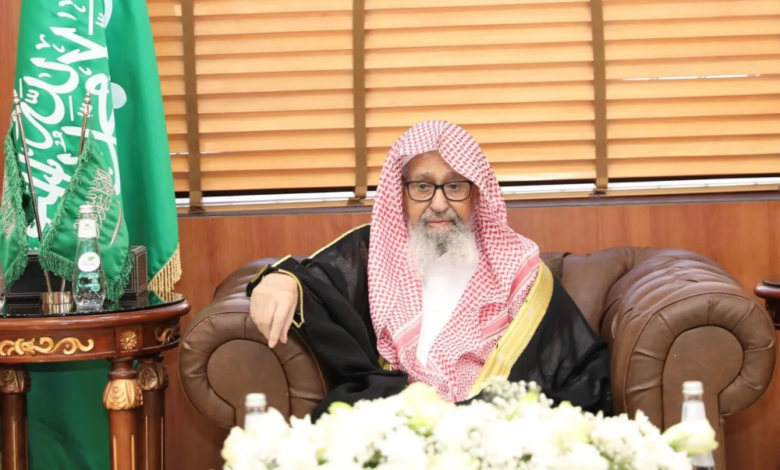

وقال سماحته في كلمة توجيهية بمناسبة دخول عشر ذي الحجة: دلت الأحاديث النبوية على صاحبها أفضل الصلاة والسلام على أن العمل الصالح في هذه الأيام أحبُّ إلى الله تعالى من العمل فيما سواها من الأيام، وأخرج البخاري في صحيحه من حديث ابن عباس رضي الله عنهما عن النبي صلى الله عليه وسلم قال: “ما من أيام العملُ الصالحُ فيها أحبُّ إلى الله من هذه الأيام، قالوا: يا رسول الله، ولا الجهاد في سبيل الله؟ قال: ولا الجهاد في سبيل الله، إلا رجل خرج بنفسه وماله ثم لم يرجع من ذلك بشيء.
الإكثار من الأعمال الصالحة
وتابع: ينبغي للمسلم في هذه الأيام الإكثار من الأعمال الصالحة، مع الحرص على أداء الفرائض واجتناب المعاصي؛ فإن هذه العشر موسم من المواسم الفاضلة التي منَّ الله تعالى بها على عباده، قال الله تعالى: (ويذكروا اسم الله في أيام معلومات على ما رزقهم من بهيمة الأنعام ) والأيام المعلومات هي أيام العشر في قول جمهور العلماء.
وأكمل: فبعد الفرائض يتزود المسلم من نوافل العبادات من صلاة وصدقة وصيام، لا سيما الإكثار من ذكر الله؛ لقوله صلى الله عليه وسلم: “فأكثروا فيهن من التهليل والتحميد والتكبير”، وكذلك صيام يوم عرفة لغير الحاج، ففي حديث أبي قتادة الأنصاري رضي الله عنه أنَّ رسول الله صلى الله عليه وسلم سئل عن صوم يوم عرفة، فقال: “يكفر السنة الماضية والباقية” أخرجه مسلم.
وأضاف سماحته: ومما ينبه له في هذه الأيام الفاضلة أن من أراد أن يضحي فلا يأخذ من شعره ولا من أظفاره ولا من بشرته شيئًا لقوله صلى الله عليه وسلم فيما أخرجه مسلم حديث أم سلمة: “إذا رأيتم هلال ذي الحجة، وأراد أحدكم أن يضحي فليمسك عن شعره وأظفاره حتى يضحي” وفي رواية: “فلا يمسَّ من شعره وبشرته شيئًا”، والأضحية فضلها عظيم، وقد “ضحى النبي صلى الله عليه وسلم بكبشين أملحين أقرنين” الحديث أخرجه البخاري ومسلم.
وسأل سماحة المفتي العام للمملكة الله تعالى أن يوفق الجميع لطاعته ومرضاته، وأن يحفظ بلادنا وولاة أمرنا وجميع المسلمين.