
إعلان المحكمة العليا بشأن تحري هلال ذي الحجة
في خطوة تترقبها الأمة الإسلامية جمعاء، أصدرت المحكمة العليا في المملكة العربية السعودية بياناً رسمياً تدعو فيه عموم المسلمين والمقيمين في جميع أنحاء المملكة إلى تحري رؤية هلال شهر ذي الحجة لعام 1447هـ. وقد حددت المحكمة موعد التحري ليكون مساء يوم الأحد، الموافق للتاسع والعشرين من شهر ذي القعدة لعام 1447هـ (حسب قرار المحكمة العليا)، والذي يوافق الثلاثين من ذي القعدة حسب تقويم أم القرى، والموافق ميلادياً للسابع عشر من شهر مايو لعام 2026م.
تفاصيل دعوة المحكمة العليا وإجراءات الإبلاغ
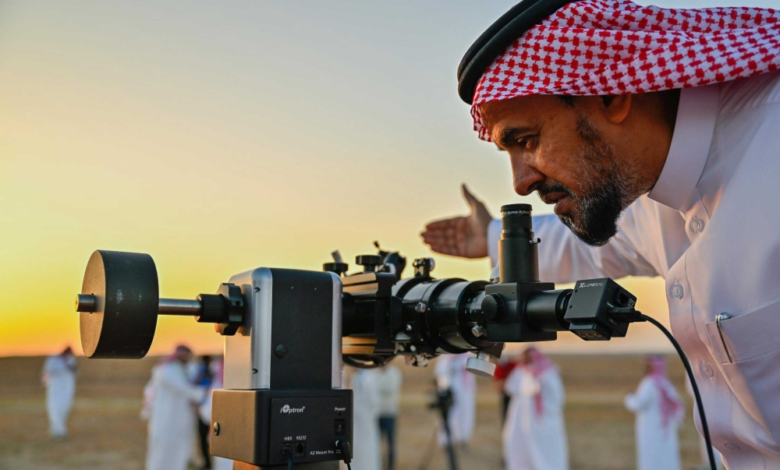
أوضحت المحكمة العليا في بيانها تفاصيل القرار السابق رقم (206/هـ) والذي أقر بأن يوم السبت الموافق 18 أبريل 2026م هو المكمل لشهر شوال ثلاثين يوماً، وأن يوم الأحد 19 أبريل 2026م هو غرة شهر ذي القعدة. وبناءً على ذلك، دعت المحكمة كل من يرى هلال ذي الحجة، سواء بالعين المجردة أو بواسطة المناظير والأجهزة الفلكية المتقدمة، إلى المبادرة بإبلاغ أقرب محكمة إليه وتسجيل شهادته لديها. كما أتاحت المحكمة إمكانية الاتصال بأقرب مركز حكومي لمساعدة المترائي في الوصول إلى المحكمة المختصة وتوثيق رؤيته شرعياً.
وحثت المحكمة العليا الأشخاص الذين يمتلكون القدرة البصرية والخبرة في الترائي على الاهتمام بهذا الأمر الديني الهام، والانضمام إلى اللجان الرسمية المشكلة في مختلف مناطق المملكة لهذا الغرض، محتسبين الأجر والثواب من الله عز وجل، لما في ذلك من تعاون على البر والتقوى ونفع عظيم لعموم المسلمين في مشارق الأرض ومغاربها.
السياق التاريخي والشرعي لرؤية الهلال
تستند عملية تحري الأهلة في المملكة العربية السعودية إلى أسس شرعية راسخة مستمدة من القرآن الكريم والسنة النبوية المطهرة. ويعتمد التقويم الهجري الإسلامي بشكل كامل على دورة القمر، حيث يبدأ الشهر الجديد بظهور الهلال بعد غروب شمس اليوم التاسع والعشرين. وتاريخياً، أولت المملكة اهتماماً بالغاً بمسألة رصد الأهلة، حيث تطورت الآليات من الرؤية التقليدية بالعين المجردة إلى تأسيس مراصد فلكية متطورة في مناطق متعددة، والتي تضم نخبة من الخبراء والفلكيين الذين يعملون جنباً إلى جنب مع اللجان الشرعية لضمان دقة الإعلان.
الأهمية البالغة والتأثير المحلي والدولي للحدث
لا يقتصر تأثير إعلان رؤية هلال ذي الحجة على النطاق المحلي داخل المملكة العربية السعودية فحسب، بل يمتد ليشمل العالم الإسلامي بأسره. فعلى الصعيد المحلي، يحدد هذا الإعلان بداية الإجازات الرسمية لعيد الأضحى المبارك، وجدولة أعمال الجهات الحكومية والخاصة المشاركة في تنظيم وتأمين موسم الحج.
أما على الصعيدين الإقليمي والدولي، فإن أكثر من مليار وثمانمائة مليون مسلم حول العالم ينتظرون بيان المحكمة العليا السعودية بفارغ الصبر؛ وذلك لأن مناسك الحج ترتبط مكانياً وزمانياً بمكة المكرمة والمشاعر المقدسة. وبناءً على ثبوت رؤية الهلال، يتم تحديد يوم الوقوف بعرفة (التاسع من ذي الحجة)، والذي يُعد الركن الأعظم للحج، يليه يوم النحر وأول أيام عيد الأضحى المبارك (العاشر من ذي الحجة). ولذلك، تقع على عاتق المملكة مسؤولية دينية وتاريخية كبرى في تحري الدقة المتناهية، وهو ما يفسر الاهتمام البالغ والمتابعة الدقيقة من قبل القيادة الرشيدة والجهات القضائية والفلكية المختصة.