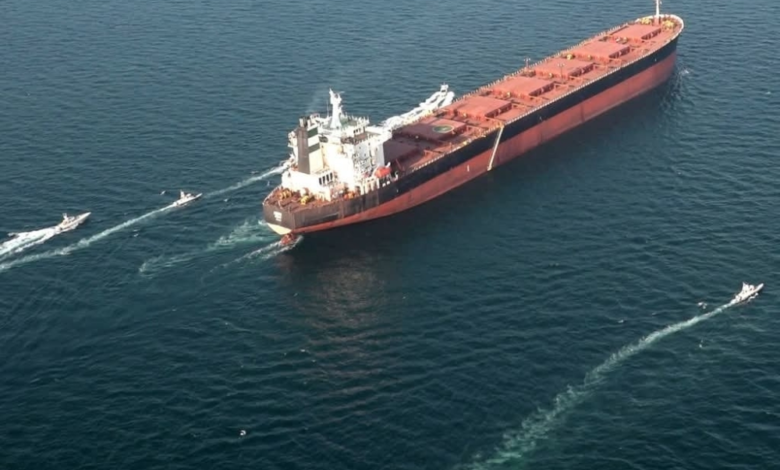

أفادت وكالة أنباء فارس الإيرانية، في تطور لافت للأحداث المتسارعة في منطقة الشرق الأوسط، بأن 15 سفينة تجارية عبرت مضيق هرمز الاستراتيجي خلال الـ 24 ساعة الماضية. ونقلت وكالة الأنباء العراقية (واع) عن الوكالة الإيرانية تأكيدها أن هذا العبور جاء بعد حصول هذه السفن على “إذن مسبق” من السلطات الإيرانية، مما يعكس محاولة طهران فرض سيطرتها الملاحية على أحد أهم الممرات المائية في العالم.
الأهمية الاستراتيجية والتاريخية لمضيق هرمز
يُعد مضيق هرمز، الذي يربط بين الخليج العربي وخليج عُمان وبحر العرب، الشريان الأهم لتدفق إمدادات الطاقة العالمية. تاريخياً، يمر عبر هذا المضيق الضيق ما يقرب من 20% من إجمالي استهلاك النفط العالمي يومياً، بالإضافة إلى كميات ضخمة من الغاز الطبيعي المسال. أي تعطيل أو تقييد لحركة الملاحة فيه ينذر بأزمات اقتصادية طاحنة تطال أسواق الطاقة العالمية، وترفع تكاليف الشحن والتأمين البحري بشكل غير مسبوق. وقد شهد المضيق عبر العقود الماضية توترات عديدة، أبرزها “حرب الناقلات” في الثمانينيات، والتهديدات الإيرانية المتكررة بإغلاقه رداً على العقوبات الدولية والضغوط السياسية.
تحذيرات إيرانية شديدة اللهجة
في سياق هذا التصعيد، وجه رئيس مجلس الشورى الإيراني، محمد باقر قاليباف، تحذيرات قاسية للرئيس الأمريكي دونالد ترامب. وأكد قاليباف أن أي تحركات أمريكية متهورة ستؤدي إلى إشعال المنطقة بأكملها. وفي منشور له باللغة الإنجليزية على منصة “إكس”، خاطب ترامب قائلاً: “تحركاتك المتهورة تجر الولايات المتحدة إلى جحيم لكل عائلة، والمنطقة بأكملها ستحترق لأنك تصر على اتباع أوامر بنيامين نتنياهو”. وأضاف مشدداً على أن “الحل الحقيقي الوحيد هو احترام حقوق الشعب الإيراني وإنهاء هذه اللعبة الخطيرة”.
مهلة ترامب وتهديدات البنية التحتية
على الجانب الآخر، تشهد الساحة السياسية ترقباً حذراً بعد أن بدا الرئيس الأمريكي دونالد ترامب وكأنه يمدد المهلة الممنوحة لطهران للتوصل إلى اتفاق يضمن إعادة فتح مضيق هرمز بحرية تامة وتجنب مواجهة عسكرية شاملة. وقد نشر ترامب رسالة مقتضبة حدد فيها موعداً جديداً هو “الثلاثاء، الساعة 8:00 مساءً بتوقيت الساحل الشرقي”. هذا التمديد، الذي ينتهي عند منتصف ليل الثلاثاء-الأربعاء بتوقيت جرينتش، يمثل تأجيلاً لمدة 24 ساعة للإنذار الحاسم الموجه إلى طهران. وتتضمن التهديدات الأمريكية وعيداً بتدمير منشآت حيوية تشمل محطات الكهرباء والجسور في إيران في حال الفشل في التوصل إلى اتفاق.
التداعيات المتوقعة إقليمياً ودولياً
محلياً، تضع هذه التهديدات الداخل الإيراني تحت ضغط هائل، خاصة مع التلويح بضرب البنية التحتية التي تمس حياة المواطنين. إقليمياً، تثير هذه التطورات مخاوف دول المنطقة من انزلاق الأوضاع إلى مواجهة عسكرية مفتوحة قد تعطل خطوط الملاحة وتضر باقتصاداتها. أما دولياً، فإن استمرار حالة عدم اليقين في مضيق هرمز يهدد بارتفاع حاد في أسعار النفط، مما قد يدخل الاقتصاد العالمي في أزمة جديدة، ويضع المجتمع الدولي أمام تحدٍ كبير للحفاظ على أمن الملاحة البحرية والسلم العالمي.