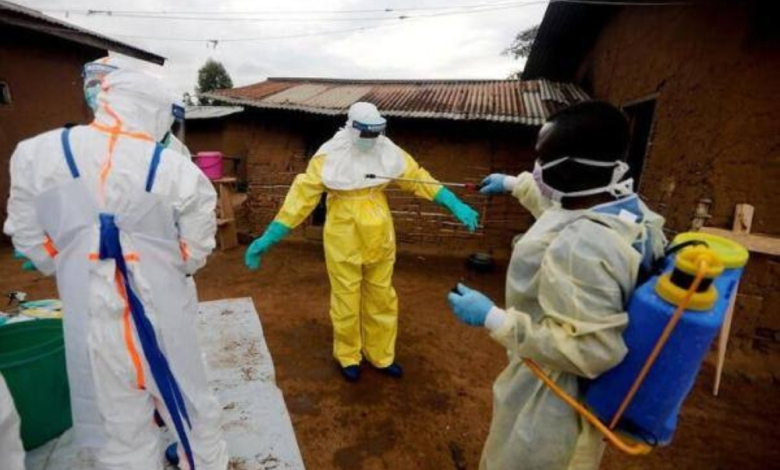

تأجيل قمة الهند وإفريقيا: استجابة طارئة للأزمة الصحية
أعلنت الحكومة الهندية، بالتعاون مع الاتحاد الإفريقي، تأجيل القمة الرابعة لمنتدى الهند وإفريقيا، والتي كان من المقرر انعقادها في العاصمة نيودلهي في الفترة ما بين 28 و31 مايو الجاري. يأتي هذا القرار الحاسم على خلفية تفشي فيروس إيبولا في الكونغو الديمقراطية، مما يعكس الأولوية القصوى التي توليها الدولتان للصحة العامة والأمن الصحي العالمي. وأوضحت وزارة الخارجية الهندية في بيان رسمي أنه بالنظر إلى الوضع الصحي الراهن في القارة الإفريقية، اتفق الجانبان على أنه من الأفضل عقد القمة في وقت لاحق يحدد مستقبلاً.
السياق التاريخي لمنتدى الهند وإفريقيا وأهميته
يُعد منتدى الهند وإفريقيا المنصة الرسمية الأبرز لتعزيز العلاقات الدبلوماسية والاقتصادية بين الجانبين. انطلقت النسخة الأولى من هذه القمة في عام 2008، وتلتها قمم في عامي 2011 و2015. تهدف هذه القمم إلى تعزيز التعاون في مجالات حيوية مثل التجارة، التكنولوجيا، الزراعة، والأمن. تأجيل هذا الحدث الدبلوماسي الضخم يسلط الضوء على التأثير العميق للأزمات الصحية على الأجندات السياسية والاقتصادية الدولية، حيث كانت الهند تسعى من خلال هذه القمة إلى تعزيز حجم التبادل التجاري وتوسيع استثماراتها في القارة السمراء، إلا أن الظروف الصحية الطارئة حالت دون ذلك.
تطورات فيروس إيبولا في الكونغو الديمقراطية
أشارت منظمة الصحة العالمية إلى أن خطر استشراء فيروس إيبولا المتفشي في جمهورية الكونغو الديمقراطية يُعد مرتفعاً جداً في منطقة وسط إفريقيا، رغم كونه منخفضاً على الصعيد العالمي. وقد أعلنت المنظمة حالة طوارئ صحية عامة ذات نطاق دولي، وهو ثاني أعلى مستويات الإنذار، لمواجهة التفشي في شرق الكونغو وأوغندا. تاريخياً، تم اكتشاف فيروس إيبولا لأول مرة عام 1976 بالقرب من نهر إيبولا في الكونغو الديمقراطية. ومنذ ذلك الحين، شهدت البلاد العديد من التفشيات. حالياً، تواجه الكونغو تفشياً واسعاً لمتحور بونديبوجيو (Bundibugyo)، والذي يشكل تحدياً كبيراً لعدم توفر لقاح معتمد ضده حتى الآن، مقدرة أنه تسبب في أكثر من 139 وفاة و600 إصابة محتملة.
التحديات الإقليمية والتدابير الوقائية
تعتبر جمهورية الكونغو الديمقراطية دولة شاسعة المساحة، حيث يزيد عدد سكانها على 100 مليون نسمة. وما يعقد جهود مكافحة الوباء هو صعوبة الوصول إلى المقاطعات الشرقية براً بسبب أعمال العنف المستمرة التي ترتكبها الجماعات المسلحة، مما يعرقل وصول الفرق الطبية والمساعدات الإنسانية. على الصعيد الدولي والمحلي، سارعت الهند باتخاذ تدابير وقائية صارمة؛ حيث أصدر مطار دلهي الدولي إرشادات صحية دقيقة للمسافرين الواصلين من الكونغو الديمقراطية، وكذلك من الدول المجاورة لها مثل أوغندا وجنوب السودان.
التعاون المستقبلي والأمن الصحي
رغم التأجيل، أكدت نيودلهي التزامها الراسخ واستعدادها التام للإسهام في الجهود التي تقودها المراكز الإفريقية لمكافحة الأمراض والوقاية منها لمواجهة الوضع الصحي المتغير. وشددت الهند على أهمية مواصلة التعاون الدولي لتعزيز قدرات التأهب والاستجابة في مجال الصحة العامة في جميع أنحاء القارة الإفريقية. ومن المتوقع أن يتم تحديد مواعيد جديدة للقمة بمجرد استقرار الوضع، مما يؤكد أن العلاقات الهندية الإفريقية قادرة على تجاوز التحديات الطارئة وبناء مستقبل يعتمد على التضامن والأمن المشترك.