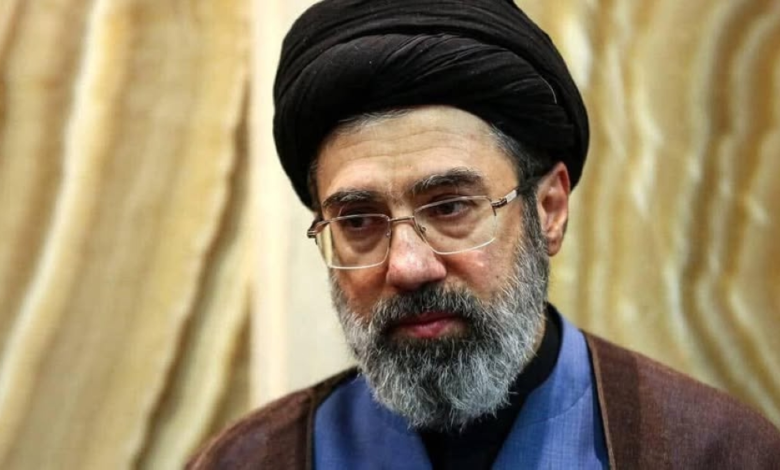
Mojtaba Khamenei suffers serious injuries: Details of the new Supreme Leader's condition

Details of the new Supreme Leader's health condition
Informed Iranian sources have revealed detailed information regarding the health of Iran's new Supreme Leader, Mojtaba Khamenei. These sources explained that the new leader is still recovering from severe injuries sustained in the airstrike that killed his father at the beginning of the war. According to statements carried by Reuters from three individuals close to Mojtaba Khamenei's inner circle, he is suffering from significant facial disfigurement and serious injuries to one or both legs, requiring intensive medical care.
Crisis management despite physical challenges
Despite the severity of these physical injuries, the same sources confirmed that Mojtaba Khamenei, 56, is gradually recovering. More importantly, he is in full possession of his mental faculties and maintains complete focus and awareness, enabling him to carry out his leadership duties. He is actively participating in sensitive meetings with senior officials and military commanders via videoconference and is contributing significantly to strategic decision-making on key issues, most notably the management of the current war and the course of complex negotiations with Washington.
General context and historical background of the succession of the Supreme Leader
Within the broader context and historical background of this event, Mojtaba Khamenei's name has long been prominent as one of the most powerful figures behind the scenes of Iranian politics. He has played a pivotal role in directing numerous security and political matters and has always been considered the most likely successor to his father, given his extensive and powerful network of connections with the Iranian Revolutionary Guard and hardline religious institutions. While the transfer of power in Iran typically occurs through the Assembly of Experts, during times of war and major crises, jurisdictions become blurred, and actual control on the ground falls to the security and military forces that support the new leadership to ensure the stability of the regime and counter external threats.
The importance of the event and its expected impact locally and regionally
As for the significance of this event and its anticipated impact, it carries enormous repercussions at the local, regional, and international levels. Domestically, Mojtaba Khamenei's assumption of leadership under these health and security circumstances presents a major challenge to the cohesion of the Iranian home front, especially given the economic and political tensions the country is experiencing. Regionally, Iran's allies and adversaries in the Middle East are watching this shift with extreme caution, as Tehran is linked to a vast network of armed factions in the region, and any change in the leadership hierarchy could affect the strategy of the "axis of resistance" and the management of Iranian influence in neighboring countries.
International repercussions and the future of negotiations
Internationally, Mojtaba Khamenei's involvement in guiding negotiations with the United States is of paramount importance. The world is watching closely to see how the new Iranian leadership will handle thorny issues such as Iran's nuclear program, maritime security in the Strait of Hormuz through which a significant portion of the world's energy supply passes, and the economic sanctions imposed on Tehran. The new Supreme Leader's ability to make decisive decisions despite his health condition will largely determine the course of escalation or de-escalation in one of the world's most volatile and tense regions.