
Introduction to escalating tensions and the French position
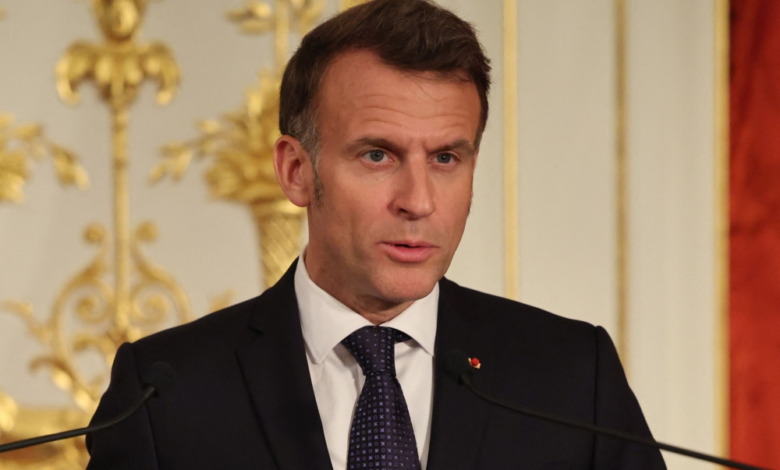
French President Emmanuel Macron made a firm statement on Wednesday, asserting that Paris will not participate in any military operations or war waged by the United States and Israel against Iran. This unequivocal stance came during an interview Macron gave to the Japanese broadcaster NHK while visiting Tokyo. He clearly indicated that France had not been consulted beforehand regarding this military escalation and, therefore, is not part of these operations.
Historical context: The independence of French decision-making
This French stance was not a spur-of-the-moment decision, but rather reflects a deeply rooted political and diplomatic doctrine at the Élysée Palace. Historically, France has maintained its military and political independence from its NATO allies when it comes to the Middle East. Perhaps the most prominent example of this is the well-known position of former President Jacques Chirac, who refused to participate in the 2003 invasion of Iraq. Regarding the Iranian issue, France was a leading supporter of the 2015 nuclear agreement (the Joint Comprehensive Plan of Action), from which the Trump administration withdrew in 2018. This divergence in perspectives explains Paris's refusal to be drawn into a military escalation with unforeseen consequences and without a clear strategy.
Details of the dispute between Macron and Trump
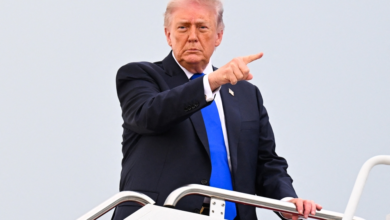
Macron's remarks came as a direct response to the scathing criticism leveled by US President Donald Trump. On Tuesday, via his Truth Social media platform, Trump launched a fierce attack on Paris, accusing it of being "very uncooperative." This attack followed the French authorities' decision to ban US aircraft carrying military equipment bound for Israel from flying over its airspace. For its part, the Élysée Palace expressed its surprise at Trump's message, emphasizing that the flight ban was entirely consistent with France's longstanding position since the beginning of the war, which is to refuse to engage in actions that could escalate the conflict.
The importance of the Strait of Hormuz and its global economic impact
On the other hand, Macron addressed a crucial point concerning global economic security: the need for the orderly and peaceful reopening of the Strait of Hormuz . The Strait of Hormuz is one of the world's most strategic waterways, through which approximately one-fifth of the world's crude oil supply passes. Any closure or disruption of navigation in this strait as a result of a full-scale war would cause a massive shock to global energy markets, driving up oil prices and threatening the global economy. Therefore, France calls for consultations with all stakeholders to guarantee freedom of navigation and avert an international economic catastrophe.
The French perspective: Diplomacy as an alternative to war
In closing, the French president stressed that unilateral military solutions often leave a dangerous vacuum. He warned, “Nothing is worse than bombing the region for weeks and weeks, then leaving without rebuilding a framework.” Macron reiterated his call for peace, de-escalation, and a resumption of diplomatic negotiations, emphasizing that diplomacy alone can resolve the fundamental problems in the Middle East. The French vision is based on building a comprehensive framework for cooperation that guarantees regional and international security, moving beyond the language of weapons and destruction.