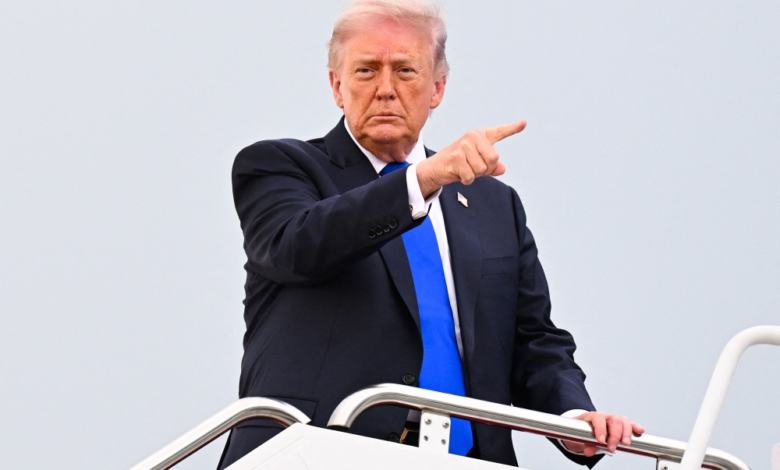

في تصريح يعكس الطبيعة المتقلبة للسياسة الخارجية الأمريكية خلال فترة رئاسته، أكد الرئيس الأمريكي السابق دونالد ترامب أن سياسة ضبط النفس تجاه إيران لا تزال قائمة، وذلك على الرغم من تصاعد التوترات في مضيق هرمز بعد سلسلة من الهجمات التي استهدفت ناقلات نفط وسفن تجارية. وفي حديثه للصحفيين، قلل ترامب من شأن الحوادث، قائلاً: “استخفوا بنا اليوم. سحقناهم (…) أعتبر ذلك أمراً تافهاً”، في محاولة لإظهار القوة مع تجنب الانجرار إلى مواجهة عسكرية مباشرة.
السياق العام والخلفية التاريخية للحدث
تعود جذور هذه الأزمة إلى قرار الرئيس ترامب في مايو 2018 بالانسحاب أحادي الجانب من الاتفاق النووي الإيراني (خطة العمل الشاملة المشتركة)، الذي تم توقيعه في عام 2015. بعد الانسحاب، أعادت واشنطن فرض عقوبات اقتصادية قاسية على طهران ضمن ما عُرف بسياسة “الضغط الأقصى”، بهدف إجبار إيران على إعادة التفاوض على اتفاق جديد يشمل برنامجها الصاروخي وسياساتها الإقليمية. رداً على ذلك، هددت إيران بإغلاق مضيق هرمز، وهو ممر مائي استراتيجي يمر عبره خُمس استهلاك النفط العالمي، كما بدأت في التراجع تدريجياً عن التزاماتها بموجب الاتفاق النووي.
تصاعد التوترات في مضيق هرمز
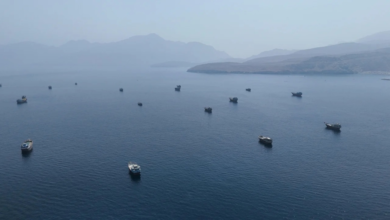
شهد منتصف عام 2019 تصعيداً خطيراً، حيث وقعت هجمات غامضة على ناقلات نفط في خليج عُمان، وحمّلت الولايات المتحدة وحلفاؤها إيران المسؤولية عنها، وهو ما نفته طهران. وبلغ التوتر ذروته في يونيو 2019 عندما أسقط الحرس الثوري الإيراني طائرة استطلاع أمريكية مسيّرة من طراز “غلوبال هوك”، مؤكداً أنها اخترقت المجال الجوي الإيراني، بينما أصرت واشنطن على أنها كانت في الأجواء الدولية. وكشف ترامب لاحقاً أنه أمر بتوجيه ضربات عسكرية انتقامية ضد أهداف إيرانية، لكنه تراجع عن قراره في اللحظات الأخيرة، معتبراً أن الرد لم يكن متناسباً مع إسقاط طائرة بدون طيار.
أهمية الحدث وتأثيره المتوقع
كانت تصريحات ترامب وتراجعه عن الضربة العسكرية بمثابة رسالة مزدوجة؛ فمن ناحية، أراد تأكيد الهيمنة العسكرية الأمريكية وقدرتها على الردع، ومن ناحية أخرى، أظهر عدم رغبته في خوض حرب جديدة في الشرق الأوسط، وهو ما كان أحد وعوده الانتخابية. على الصعيد الإقليمي، أثارت هذه الحوادث قلق دول الخليج العربي التي تعتمد بشكل كبير على استقرار الملاحة في مضيق هرمز. أما دولياً، فقد أدت الأزمة إلى ارتفاع أسعار النفط بشكل مؤقت وزادت من حالة عدم اليقين في أسواق الطاقة العالمية، كما دفعت الولايات المتحدة إلى تشكيل تحالف دولي لحماية الملاحة في المنطقة تحت اسم “عملية الحارس”.