
أصدرت منظمة الصحة العالمية بياناً توضيحياً لطمأنة الرأي العام العالمي بشأن تفشي فيروس هانتا على متن سفينة سياحية، مؤكدة أن الحادثة، على الرغم من خطورتها، لا تمثل “بداية جائحة” جديدة. جاءت هذه التصريحات في أعقاب وفاة ثلاثة ركاب وإصابة آخرين، مما أثار مخاوف دولية من ظهور وباء جديد.
ما هو فيروس هانتا؟ السياق العلمي والتاريخي
فيروس هانتا ليس فيروساً جديداً، بل هو عائلة من الفيروسات تنتقل بشكل أساسي عن طريق القوارض، مثل الفئران والجرذان. تحدث العدوى لدى البشر غالباً عند استنشاق جزيئات الهواء الملوثة ببول أو براز أو لعاب القوارض المصابة. يسبب الفيروس مرضين رئيسيين: المتلازمة الرئوية لفيروس هانتا (HPS) التي تنتشر في الأمريكتين، والحمى النزفية المصحوبة بالمتلازمة الكلوية (HFRS) الشائعة في أوروبا وآسيا. وتعتبر سلالة “الأنديز”، التي تم رصدها في هذه الحادثة، استثنائية ونادرة لقدرتها على الانتقال من إنسان إلى آخر عبر الاتصال الوثيق.
تاريخياً، اكتسب الفيروس شهرة عالمية بعد تفشيه في منطقة “فور كورنرز” بالولايات المتحدة عام 1993، لكنه كان معروفاً قبل ذلك بعقود، حيث تم تسجيل حالات من الحمى النزفية بين الجنود خلال الحرب الكورية في الخمسينيات. لذلك، فإن ظهوره ليس مفاجئاً للأوساط العلمية، لكن كل تفشٍ جديد يتطلب مراقبة دقيقة.
تفاصيل الحادثة على السفينة “إم في هوندويوس”
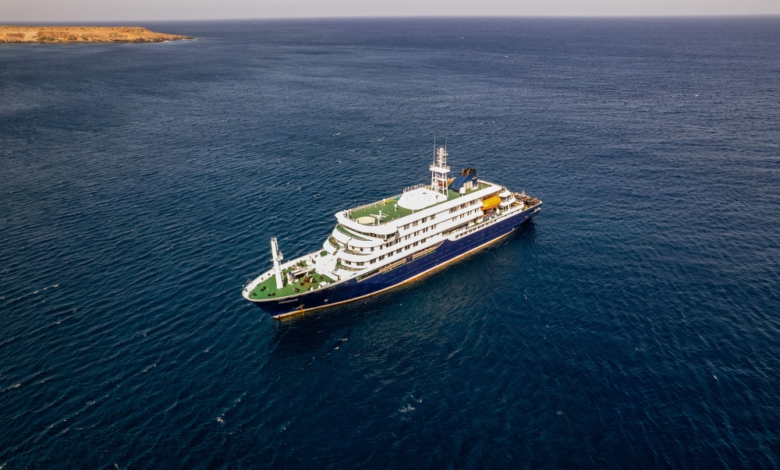
كانت السفينة السياحية “إم في هوندويوس” في رحلة من الأرجنتين إلى الرأس الأخضر عندما ظهرت الأعراض على عدد من الركاب. وأكدت منظمة الصحة العالمية وجود 8 حالات مشتبه بها، ثبتت إصابة 5 منها بفيروس هانتا بعد التحاليل المخبرية، وأسفرت عن 3 وفيات. صرح المدير العام للمنظمة، تيدروس أدهانوم غيبريسوس، قائلاً: “حتى اليوم، تم الإبلاغ عن ثماني حالات، من بينها ثلاث وفيات. وقد تبين أن خمساً من هذه الحالات ناجمة عن فيروس هانتا”. وأضاف أنه نظراً لفترة حضانة الفيروس التي قد تصل إلى ستة أسابيع، فمن الممكن الإبلاغ عن المزيد من الحالات.
وأوضحت ماريا فان كيركوف، مديرة قسم التأهب للأوبئة والوقاية منها في المنظمة، أن الحادثة “ليست بداية وباء، ولكنها فرصة للتذكير بأهمية الاستثمار في الأبحاث حول مسببات الأمراض، لأن العلاجات واللقاحات ووسائل التشخيص تنقذ الأرواح”.
الأهمية والتأثير الدولي
على الرغم من أن خطر انتشار الوباء على نطاق واسع “منخفض”، وفقاً لتقييم المنظمة، إلا أن الحادثة تبرز أهمية اليقظة الصحية العالمية. وقد أدت إلى استجابة دولية منسقة، حيث تم إبلاغ 12 دولة كان رعاياها على متن السفينة، بما في ذلك كندا وألمانيا وهولندا وسويسرا والمملكة المتحدة والولايات المتحدة. وتعمل السلطات الصحية في هذه البلدان على تتبع المخالطين ومراقبة أي حالات محتملة. كما تخضع السفينة وطاقمها المتبقي لإجراءات حجر صحي ومراقبة دقيقة قبل السماح لهم بالعودة إلى ديارهم. هذا الحادث يمثل اختباراً جديداً للوائح الصحية الدولية وقدرة الدول على التعاون لمنع انتشار الأمراض المعدية عبر الحدود، خاصة في قطاع السياحة البحرية الذي شهد تحديات كبيرة خلال جائحة كوفيد-19.
الوقاية والعلاج
حتى الآن، لا يوجد علاج محدد أو لقاح معتمد ضد فيروسات هانتا. يعتمد العلاج بشكل أساسي على الرعاية الداعمة في المستشفيات، مثل توفير الأكسجين والدعم التنفسي للمصابين بالمتلازمة الرئوية. لذلك، تبقى الوقاية هي خط الدفاع الأول، وتتمثل في تجنب التعرض للقوارض وإفرازاتها، واتخاذ الاحتياطات اللازمة عند تنظيف الأماكن التي قد تتواجد فيها الفئران، مثل الأقبية والمخيمات والمنازل الريفية.