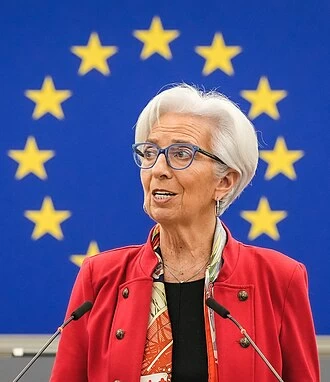

في تصريحات هامة من قلب العاصمة الإسبانية مدريد، وجهت رئيسة البنك المركزي الأوروبي، كريستين لاجارد، تحذيراً قوياً من المخاطر الكامنة وراء الاعتماد على “العملات المستقرة” كأداة لتعزيز الدور الدولي لليورو. خلال كلمتها في منتدى “بانكو دي إسبانيا” الاقتصادي، أكدت لاجارد أن الفوائد المزعومة لهذه الأصول الرقمية قد تكون “وهمية” عند مقارنتها بالتهديدات الهيكلية التي تفرضها على النظام المالي العالمي.
وشددت لاجارد على ضرورة التمييز الواضح بين الوظيفة النقدية والوظيفة التكنولوجية لهذه العملات. وأوضحت أن الحجة القائلة بضرورة ترويج عملات مستقرة مقومة باليورو لمنافسة هيمنة الدولار الأمريكي في هذا المجال الرقمي هي “أضعف بكثير مما تبدو عليه”. ودعت إلى عدم الخلط بين “الأداة”، التي تمثلها العملات المستقرة، و”النتيجة النهائية” المرجوة، وهي تعزيز مكانة اليورو.
السياق العام وصعود العملات الرقمية
تأتي تصريحات لاجارد في وقت يشهد فيه العالم المالي تحولاً جذرياً مدفوعاً بالابتكارات التكنولوجية، وعلى رأسها تقنية البلوك تشين والعملات المشفرة. ظهرت العملات المستقرة، مثل “تيثر” (USDT) و”يو إس دي كوين” (USDC)، كحل يهدف إلى الجمع بين استقرار العملات الورقية التقليدية ومرونة الأصول الرقمية، وذلك عبر ربط قيمتها بأصل خارجي، غالباً ما يكون الدولار الأمريكي. هذا الارتباط الوثيق بالدولار عزز من هيمنته في الفضاء الرقمي، مما أثار قلق البنوك المركزية حول العالم، بما في ذلك البنك المركزي الأوروبي، بشأن الحفاظ على سيادتها النقدية.
مخاطر هيكلية وتأثيرات متوقعة
حذرت رئيسة المركزي الأوروبي من أن الاعتماد الواسع على هذه الأدوات الصادرة عن كيانات خاصة يمكن أن يقوض الاستقرار المالي. وأشارت إلى أن تحول الودائع من البنوك التجارية التقليدية إلى محافظ العملات المستقرة سيؤدي حتماً إلى إضعاف قدرة المصارف على تمويل الاقتصاد الحقيقي، بما في ذلك الشركات والأفراد، مما يعرقل النمو الاقتصادي. كما أن هذا التحول قد يعيق فعالية السياسة النقدية للبنك المركزي، حيث يصبح من الصعب نقل تأثير قرارات أسعار الفائدة إلى الاقتصاد بشكل سلس.
وعلى الصعيد الدولي، تعكس هذه التصريحات استراتيجية أوروبية واضحة تهدف إلى بناء نظام مالي رقمي مستقل وقوي. فبدلاً من دعم البدائل الخاصة التي قد تحمل في طياتها مخاطر نظامية، يركز الاتحاد الأوروبي على تطوير إطاره التنظيمي الخاص (مثل لائحة MiCA) ومشروعه الطموح “اليورو الرقمي”، ليكون بمثابة مرساة استقرار عامة في العصر الرقمي.
نحو مستقبل رقمي أوروبي متكامل
في ختام كلمتها، كشفت لاجارد عن التقدم المحرز في المشاريع الأوروبية الرائدة. وأعلنت عن مشروع “بونتس” (Pontes)، الذي سيتيح تسوية المعاملات الرقمية باستخدام نقود البنك المركزي ابتداءً من سبتمبر القادم. بالإضافة إلى ذلك، أشارت إلى خارطة طريق “أبيا” (Abia)، التي تهدف إلى تحقيق نظام مالي أوروبي رقمي متكامل ومترابط بالكامل بحلول عام 2028، مما يؤكد عزم أوروبا على قيادة التحول الرقمي في القطاع المالي وفقاً لمعاييرها الخاصة بالأمان والاستقرار.