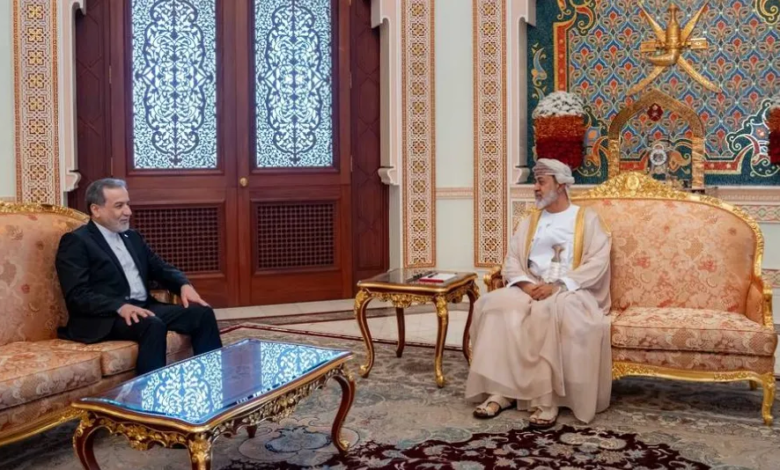
The Sultan of Oman discusses mediation efforts between Washington and Tehran

In a significant diplomatic move, Sultan Haitham bin Tariq of Oman received Abbas Araqchi, Iran's Deputy Foreign Minister for Political Affairs, in Muscat. Discussions between the two sides focused on efforts to revive the Iranian nuclear agreement and explore ways to de-escalate tensions between Tehran and Washington, reaffirming Oman's pivotal role as a trusted mediator in the region.
Oman's historical role in mediation
The Sultanate of Oman has a long and distinguished history of playing the role of impartial mediator in the most complex regional and international crises. This established policy was laid down by the late Sultan Qaboos bin Said, who transformed the Sultanate into an oasis of quiet diplomacy, maintaining balanced relations with all parties, including Iran and Western countries, most notably the United States. Muscat served as the back channel that hosted the initial secret talks between American and Iranian officials, which ultimately paved the way for the landmark nuclear agreement (the Joint Comprehensive Plan of Action) in 2015.Sultan Haitham bin Tariq continues along the same path, emphasizing the continuation of the policy of positive neutrality aimed at promoting security and stability.
The importance of the talks in light of the current tensions
These talks come at a critical juncture, as the ongoing negotiations in Vienna between Iran and the major powers (with indirect US participation) have reached a delicate stage. The importance of Omani mediation in its ability to provide an informal and direct channel of communication, allowing messages to be conveyed and positions clarified away from the media and political pressures of the official negotiations. Since the US withdrawal from the agreement in 2018 and the reimposition of sanctions, Iran has escalated its nuclear activities, further complicating the situation and raising concerns within the international community. Omani efforts aim to build bridges of trust and bring Tehran and the administration of US President Joe Biden, which has expressed its desire to return to the agreement, closer together.
Expected impacts on regional stability
The success of these efforts would have far-reaching consequences, not only for the nuclear issue but also for the stability of the entire Gulf region. Any improvement in relations between Washington and Tehran would positively impact several pressing issues, such as the crisis in Yemen, maritime security in the Strait of Hormuz, and reducing tensions in Iraq and Syria. Regional states recognize that de-escalation between the two major powers is crucial for ensuring regional stability and focusing on economic development. Therefore, Muscat's diplomatic initiatives are being closely watched, not only by the directly involved parties but also by all regional and international powers seeking to avert any potential military confrontation with potentially disastrous consequences for everyone.