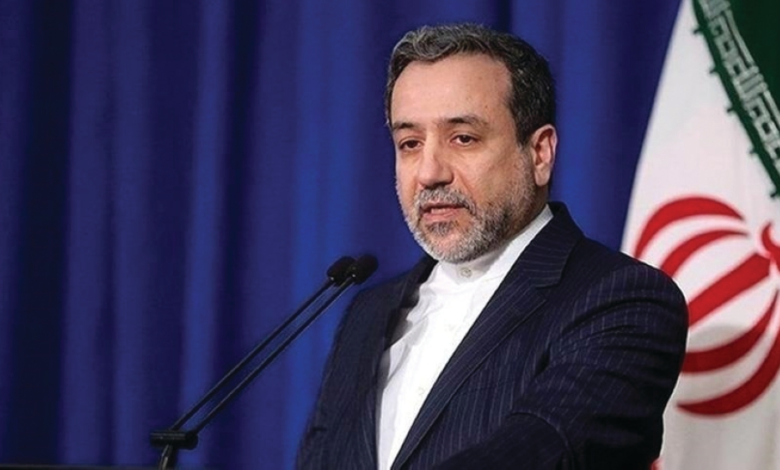

A new Iranian diplomatic tour amid escalating tensions
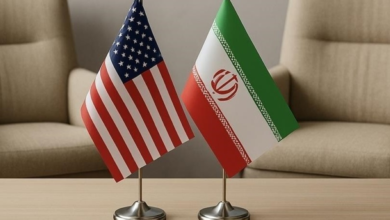
Iran's official news agency, IRNA, announced a new diplomatic tour by Iranian Deputy Foreign Minister Abbas Araqchi, which includes Pakistan, Oman, and Russia. This tour comes at a time of escalating tensions between Tehran and Washington, with the Pakistani capital, Islamabad, hosting a second round of indirect talks between the two sides aimed at exploring ways to de-escalate tensions in the Middle East.
According to the Iranian statement, Araqchi's visit aimed to "hold bilateral consultations, discuss current developments in the region, and review the situation regarding the war being waged by the United States and Israel against Iran." While the statement did not confirm a direct meeting between Araqchi and US officials, his presence in Islamabad coinciding with these talks strongly suggests the continuation of diplomatic efforts through back channels.
Historical background: From the nuclear agreement to the brink of confrontation
The roots of the current crisis can be traced back to 2018, when former US President Donald Trump decided to withdraw the United States from the nuclear agreement (Joint Comprehensive Plan of Action – JCPOA), signed in 2015 between Iran and the P5+1 group of nations. The agreement aimed to restrict Iran's nuclear program in exchange for lifting international economic sanctions. Following the withdrawal, Washington reinstated harsh economic sanctions as part of a policy it called "maximum pressure," with the goal of forcing Tehran to negotiate a new agreement on US terms.
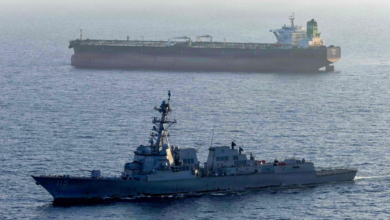
In response, Iran began to gradually backtrack on its commitments under the nuclear agreement, raising uranium enrichment levels, which alarmed international powers and led to a dangerous escalation in the region, including attacks on oil tankers and the downing of drones.
The importance of conversations and their potential impact
These talks are of paramount importance on all levels, given their direct impact on regional and international stability.
- Regionally, US allies in the region, such as Israel and Saudi Arabia, are closely monitoring these developments. A potential agreement could reshape the balance of power, while a failure of diplomacy could lead to a devastating military confrontation that threatens the security of vital waterways, such as the Strait of Hormuz, through which a significant portion of the world's oil supply passes.
- Internationally, European countries, along with Russia and China, are striving to salvage the nuclear agreement and prevent Iran from developing nuclear weapons, which would trigger an arms race in the Middle East. These powers view dialogue as the only way to avert a catastrophic scenario and hope that Pakistani mediation will succeed in building bridges of trust between Tehran and Washington.
Amid these developments, the statements of former US President Trump remain relevant, as he previously asserted that any military confrontation with Iran “will not last long,” emphasizing that his country will not allow Tehran to possess a nuclear weapon that threatens the stability of the region and the world.