Withholding tax forms due date January 2026 and late payment penalties

The Zakat, Tax and Customs Authority (ZATCA) has issued an important and urgent call to all commercial establishments and businesses in the Kingdom of Saudi Arabia subject to withholding tax, urging them to expedite the submission of their withholding tax returns for January 2026. The Authority emphasized that the deadline for submitting these returns is February 10, 2026, stressing the importance of adhering to the established deadlines to ensure the smooth operation of financial and tax processes.
Details of the deadline and late penalties
In its commitment to enhancing tax compliance, ZATCA clarified that late submission of forms and payment after the deadline (February 10, 2026) will result in financial penalties in accordance with applicable regulations. The late payment penalty is calculated at 1% of the unpaid tax for every thirty days of delay, starting from the due date. These measures are in place to ensure tax fairness and regulate the state's financial flows, thus requiring taxpayers to carefully review their accounts and submit forms through official channels on time.
What is withholding tax and who is it imposed on?
Withholding tax is a cornerstone of the Saudi tax system, levied on all payments made from a source within the Kingdom to non-resident entities (i.e., entities that do not have a permanent establishment within the Kingdom). This tax is calculated according to the rates and percentages specified in Article 68 of the Income Tax Law and Article 63 of its Implementing Regulations. The purpose of this tax is to collect the state's due share of income earned by foreign parties as a result of activities or services performed or utilized within the Saudi economy, thereby contributing to the protection of the national economy and the promotion of fair competition.
Electronic services, communication channels, and support
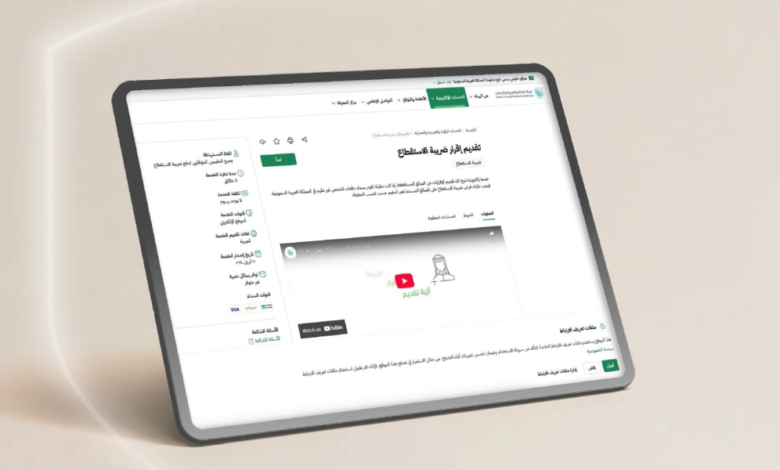
The authority urged establishments to utilize the advanced electronic services provided on its official website (zatca.gov.sa) to submit forms easily and conveniently, thus saving time and effort and avoiding manual errors. Zatca also affirmed its full readiness to provide support and assistance to taxpayers seeking further information or clarification regarding the calculation and submission process.
Taxpayers can contact the authority through its various channels, which operate around the clock, including:
- The unified number for the call center (19993) which operates 24 hours a day, seven days a week.
- The "Ask Zakat, Tax and Customs" account on the X platform (@Zatca_Care).
- The official email address is (info@zatca.gov.sa).
- Instant messaging service available via the Authority's website.