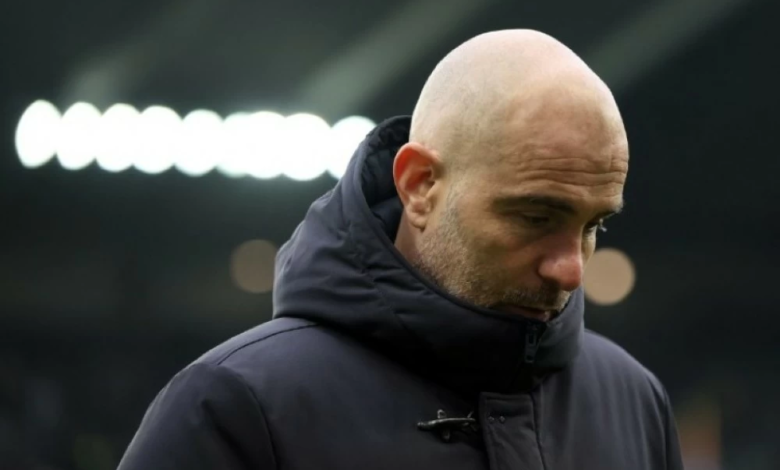
Enzo Maresca's departure from Chelsea: The secrets behind the £14 million sell-out

In a dramatic turn of events within the London club, British press reports revealed exciting details surrounding the departure of Italian coach Enzo Maresca from coaching Chelsea, as the coach preferred to leave with dignity, forgoing a huge sum of money rather than continue in a work environment he described as frustrating.
Chelsea officially announced last week that they had parted ways with Maresca by mutual consent, following a series of disappointing results in the Premier League, thus ending a short period of only about 18 months at Stamford Bridge.
Details of the £14 million waiver
According to the British newspaper "The Sun", Mariska's overwhelming anger over what he considered a "deliberate disregard" by the club's management and a marginalization of his technical vision led him to refuse to enter into detailed negotiations regarding his financial entitlements resulting from the termination of the contract.
Reports confirmed that the Italian coach was entitled to compensation estimated at around £14 million, as he was bound by a long-term contract extending for five years with the option to extend for an additional season, which he signed when he came from Leicester City in 2024. Maresca was receiving an annual salary of £4 million, but his desire to close this chapter quickly made him leave this huge amount "on the table" without officially claiming it.
Context of instability at Chelsea
Maresca's departure cannot be separated from the broader context of Chelsea's situation since its acquisition by the consortium led by Todd Pohley and Clearlake Capital. The club has experienced unprecedented administrative and managerial instability, characterized by a constant turnover of managers, starting with Thomas Tuchel, then Graham Potter, Frank Lampard (interim), Mauricio Pochettino, and finally Maresca.
This volatile environment, coupled with billions of pounds being spent in the transfer market without a clear strategy, has placed enormous pressure on any manager who takes on the job, as immediate results have become the sole criterion for survival, regardless of the need to build a long-term project. This is what Maresca, who aspired to implement his style that had previously succeeded with Leicester City, encountered.
Behind the scenes of the final hours and the escalating tension
The relationship between Maresca and the board has been increasingly strained in recent weeks, culminating in the manager's comments complaining of a lack of support. Maresca described the 48 hours following the 2-0 win over Everton as the "worst 48 hours" of his time with the club, highlighting the growing rift between him and the club's decision-makers.
The truth about Manchester City negotiations
In a related development, sources close to the Italian coach denied rumors that he was trying to use Manchester City's interest as leverage to secure better terms at Chelsea. Maresca is known for his close relationship with City manager Pep Guardiola, having previously served as his assistant, making him a frequent candidate in the press as a potential successor to the Spanish tactician. However, sources confirmed that his decision to leave Chelsea stemmed from a personal conviction that continuing under the current circumstances was impossible, and not a tactical maneuver.