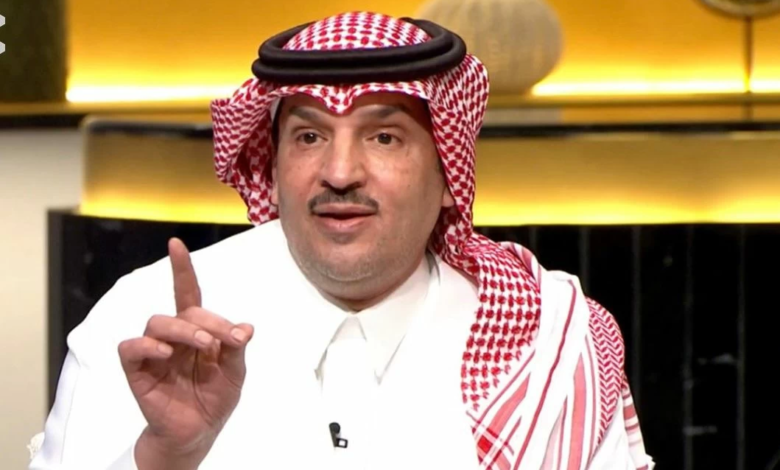
Majed Al-Tuwaijri bids farewell to the Kora program... the end of a 5-year journey

A surprise announcement ends a 5-year career
In a move that surprised many in the Saudi sports scene, prominent media personality and sports critic Majed Al-Tuwaijri announced the end of his journey with the "Kora" program, which airs on Rotana Khalijia and is presented by the esteemed journalist Turki Al-Ajmah. After a successful five-year run, Al-Tuwaijri bid farewell to the program, where he was one of its most prominent figures, with a heartfelt message posted on his official X account, expressing his feelings about this significant media experience in his career.
A touching farewell message: “Years passed like a dream.”
In a widely shared tweet, Al-Tuwaijri described his five years on the show as having "passed like a dream." He wrote, "Today I bid farewell to a chapter in my journey with media... The 'Kora' program will remain in my heart and soul for a long time." He expressed his deep appreciation for his time on the show, emphasizing that he witnessed significant sporting events and was present at the achievements of Saudi clubs and the national team, describing it as an exceptional media experience that enriched him both professionally and personally.
Background on the “Kora” program and its status
The "Kora" program is one of the most popular and longest-running sports talk shows in the Arab world. Launched many years ago, it has become a leading platform for analyzing and discussing Saudi and Gulf football events. Thanks to the veteran journalist Turki Al-Ajmah, the program has maintained its position as a premier destination for viewers seeking critical opinions and in-depth technical analyses, especially given the significant development of the Saudi Professional League. The presence of critics like Majed Al-Tuwaijri, with their bold opinions and insightful analyses, has been a fundamental part of the program's identity and a key factor in its continued success.
The significance of Al-Tuwaijri's departure and its expected impact
The departure of Majed Al-Tuwaijri represents a significant change to the program's format, as he was known for his outspoken and critical style, which sparked much debate and discussion over the years. His absence is expected to leave a void in the dynamic discussions that "Kora" was known for. This departure raises questions among the audience about who will succeed him and what Al-Tuwaijri's next career path will be, given the intense competition among sports programs and channels in the region. This change also reflects the ongoing evolution of the Saudi sports media landscape, which is directly influenced by the major transformations taking place in sports within the Kingdom.
Special appreciation to Turki Al-Ajma and the channel's management
In his message, Al-Tuwaijri singled out journalist Turki Al-Ajmah for special praise, describing him as one of the most prominent sports presenters in the Arab world, saying, “I will forever be indebted to this great figure for his intellect, his work, his integrity, and his chivalry… All thanks and appreciation are due to Abu Joud.” He also expressed his gratitude to the channel’s director, Abdullah Al-Shabana, affirming that his stances deserve loyalty and appreciation. He concluded his message with the words, “Farewell, football… Until we meet again, dear friends,” hinting at the possibility of appearing on a new media channel soon.